Pulses are an important part of everyday cooking in India. From a simple bowl of dal and rice to spicy chole, rajma curry, and nutritious salads, different types of pulses bring variety, flavour, and nutrition to our meals.
They are also valued for their versatility, making them suitable for traditional recipes, modern dishes, and everyday meal planning.
However, not every pulse works the same way. Some cook quickly and develop a soft texture, while others hold their shape and work better in curries, salads, or snacks.
Understanding these differences can help you choose the right pulse for your recipe and make better use of the ingredients in your kitchen.
In this guide, we will explore the different types of pulses and their uses, including popular Indian dals, whole legumes, and dried peas. You will also learn how to select, prepare, and store them for everyday cooking.
What Are Pulses?
Pulses are the edible dried seeds of legume plants harvested for food. Common examples include lentils, chickpeas, dried peas, and dry beans. They are widely used in Indian cuisine because they are versatile, easy to store when kept dry, and suitable for a wide range of dishes.
Pulses provide plant-based protein, dietary fibre, and several essential nutrients. Their nutritional composition varies depending on the variety and how they are processed and prepared.
In Indian kitchens, the word dal often refers to split pulses that are cooked into a soft, comforting dish. Pulses can also be used whole, ground into flour, added to snacks, or combined with vegetables and grains to prepare balanced meals.
Quick Comparison of Different Pulses and Their Uses
| Type of pulse | Texture after cooking | Best uses |
| Moong dal | Soft and creamy | Khichdi, dal, chilla |
| Masoor dal | Soft; whole variety stays firmer | Soups, curries, one-pot meals |
| Toor dal | Thick and smooth | Dal, sambar, varan |
| Chana dal | Firm to soft | Dal curry, halwa, fillings |
| Urad dal | Creamy or dense, depending on variety | Dal makhani, idli, dosa, vada |
| Rajma | Hearty and firm | Rajma curry, rice bowls, salads |
| Kabuli chana | Creamy inside, firm outside | Chole, hummus, salads |
| Kala chana | Firm and hearty | Curries, dry sabzi, chaat |
| Lobia | Tender with a mild flavour | Curry, salads, rice dishes |
| White matar | Soft and thick | Ragda, matar curry, chaat |
| Whole green moong | Firm and slightly chewy | Sprouts, curries, salads |
Cooking times vary according to the pulse variety, storage conditions, soaking time, and cooking method. Always cook dried beans and pulses until tender and follow appropriate food-safety practices.
How to Choose the Right Pulse for Your Recipe

The right pulse depends on the recipe, desired texture, and cooking time. By choosing suitable varieties, you can enhance the flavour of your dishes and prepare balanced meals for everyday cooking.
Consider the pulse’s flavour, texture, and nutritional value before selecting it for your meal. You should also check whether soaking is required and how long the pulse takes to cook for the best results.
For Everyday Dal and Rice
Toor dal, yellow moong dal, and masoor dal are reliable choices for everyday meals. They cook into a soft consistency and pair well with rice, roti, vegetables, and common Indian seasonings.
For Rich Curries
Choose rajma, Kabuli chana, kala chana, or whole urad dal when preparing hearty curries. These pulses can retain their shape and develop a satisfying texture when cooked properly.
For Breakfast and Snacks
Moong dal works well for chilla, while urad dal is commonly used in idli, dosa, and medu vada. Chickpeas and dried peas can also be used in chaat and other savoury snacks.
For Salads and Meal Bowls
Cooked chickpeas, lobia, and whole green moong are useful choices because they can retain their texture. Combine them with vegetables, herbs, lemon juice, and a suitable dressing for a simple meal.
For Traditional Sweets
Chana dal and moong dal are used in several Indian sweets. Chana dal halwa and moong dal halwa are popular examples, although the ingredients and preparation methods vary by region and household.
Tips for Preparing and Storing Pulses
Good preparation helps improve texture and makes pulses easier to use in everyday cooking.
- Check the pulses before cooking: Remove small stones, damaged seeds, and other unwanted material.
- Rinse thoroughly: Wash pulses with clean water before soaking or cooking.
- Soak when appropriate: Larger whole pulses, such as rajma and chickpeas, usually benefit from soaking. Split dals often need less preparation.
- Cook until fully tender: Follow a suitable cooking method for the specific pulse, especially for dried beans.
- Use clean, airtight containers: Store dry pulses in a cool, dry place away from moisture and pests.
- Keep cooked pulses refrigerated: Refrigerate leftovers promptly in covered containers and use them within a safe period.
- Buy according to your needs: If you use a particular pulse frequently, choose a pack size that you can store properly and finish while the product remains in good condition.
For regular use, keeping a selection of quick-cooking dals and a few whole pulses in your pantry can make weekly meal planning easier.
Why Include Different Pulses in Your Diet?
Eating a variety of pulses helps add diversity to your meals. Different varieties provide plant-based protein, fibre, complex carbohydrates, and various vitamins and minerals. Their exact nutritional values depend on the type of pulse and how it is prepared.
Pulses can also be combined with grains, vegetables, nuts, seeds, and other foods to create meals with a wider range of nutrients. For example, dal with rice, rajma with rice, and chickpea salad with vegetables are familiar ways to include pulses in a varied diet.
No single pulse is automatically the best choice for everyone. Your selection should depend on your taste, recipe, dietary requirements, and the overall balance of your meals.
Choose Quality Pulses for Everyday Cooking with Sagar Brand
Choosing the right pulse is only one part of preparing a good meal. The quality of the ingredients you use also matters.
Whether you are making everyday dal, preparing a traditional curry, or cooking a special dish for your family, fresh, properly stored pulses can make meal preparation easier.
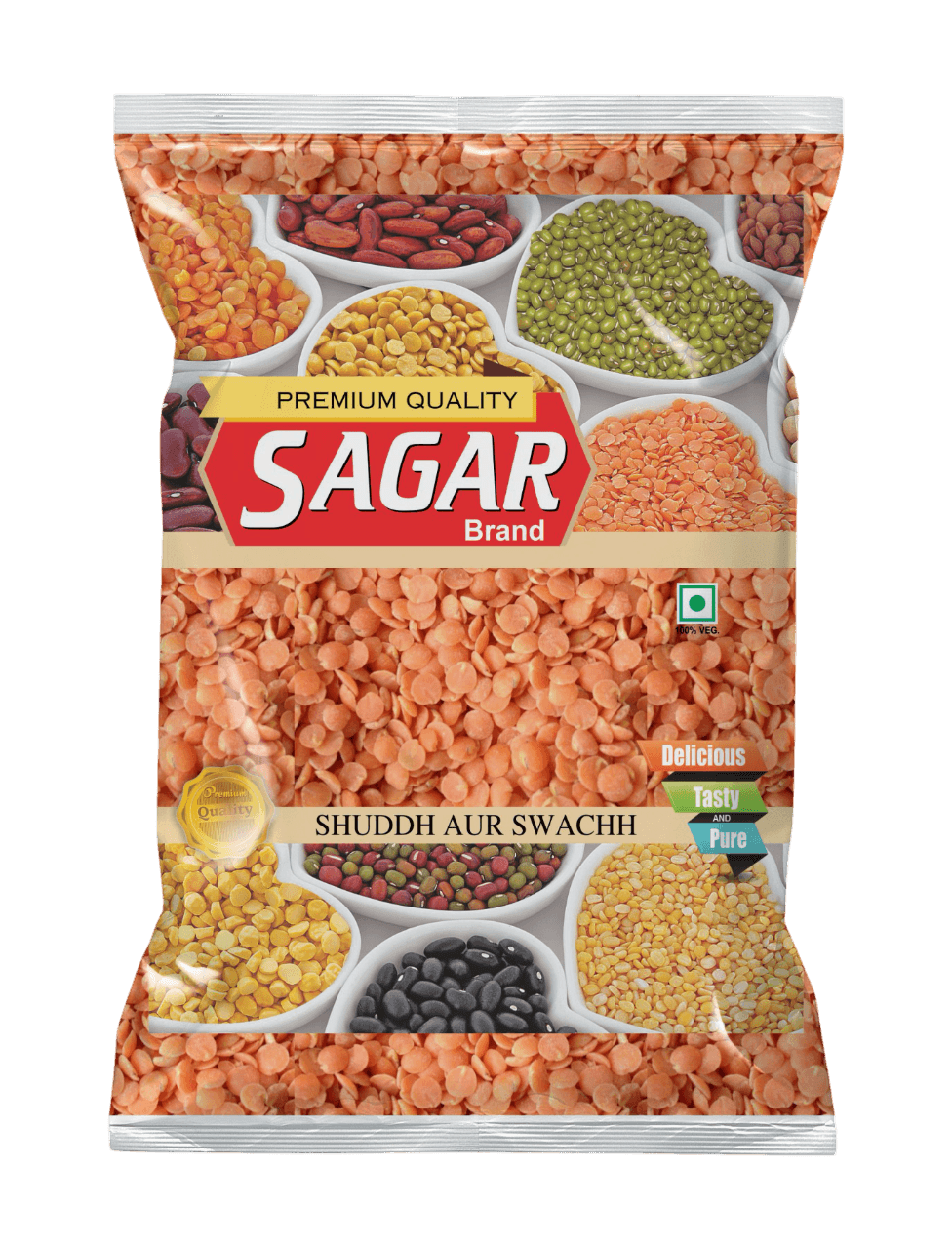
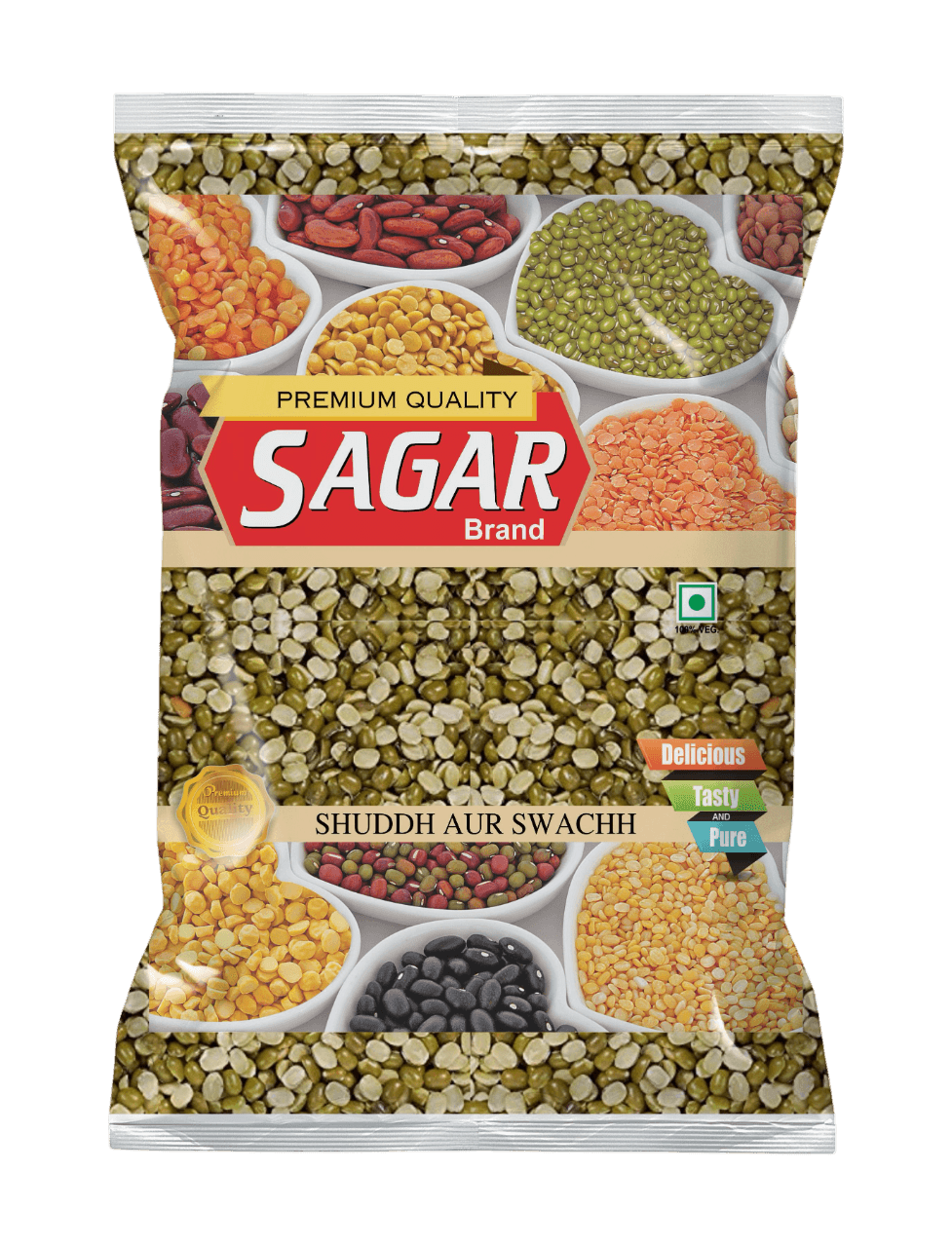
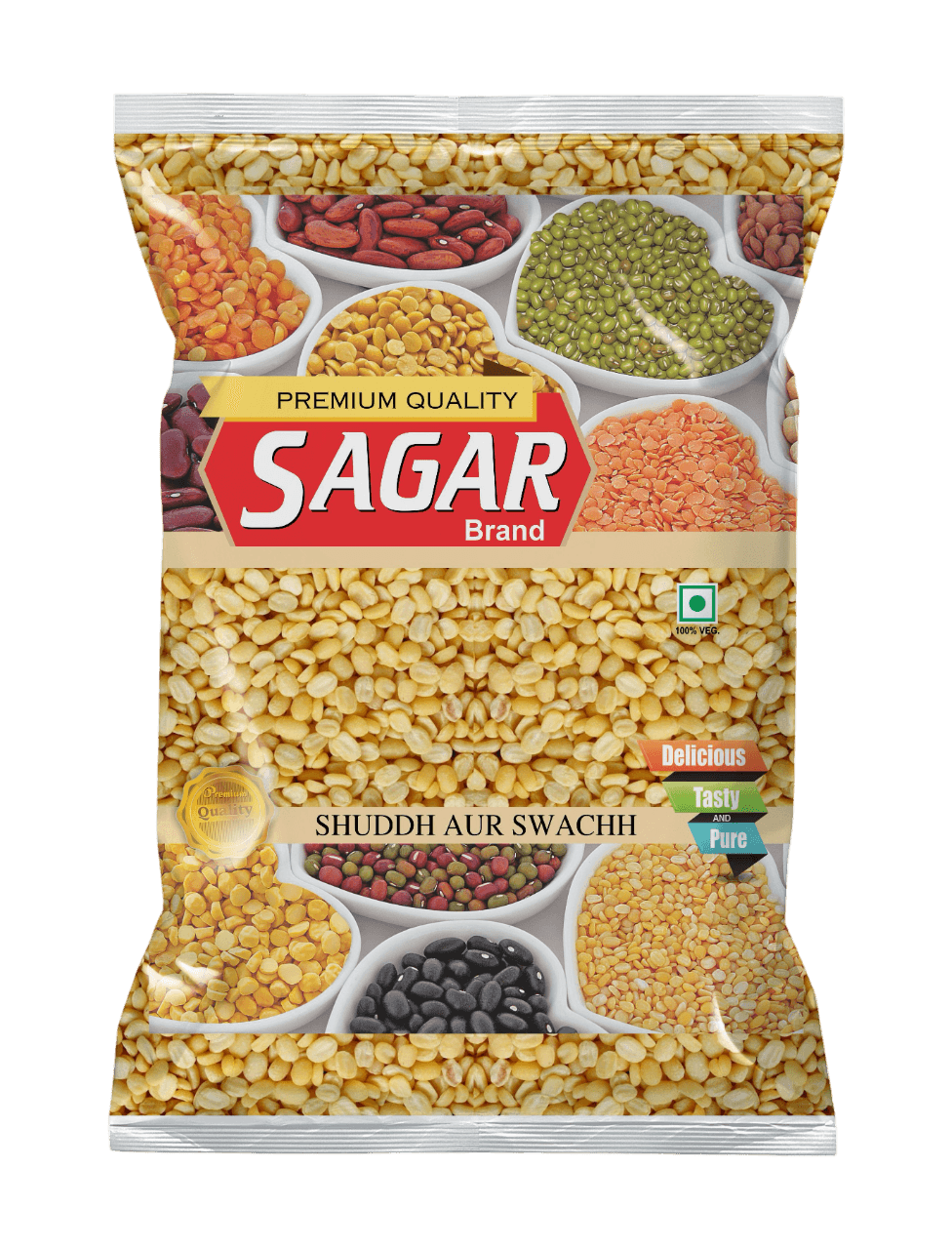
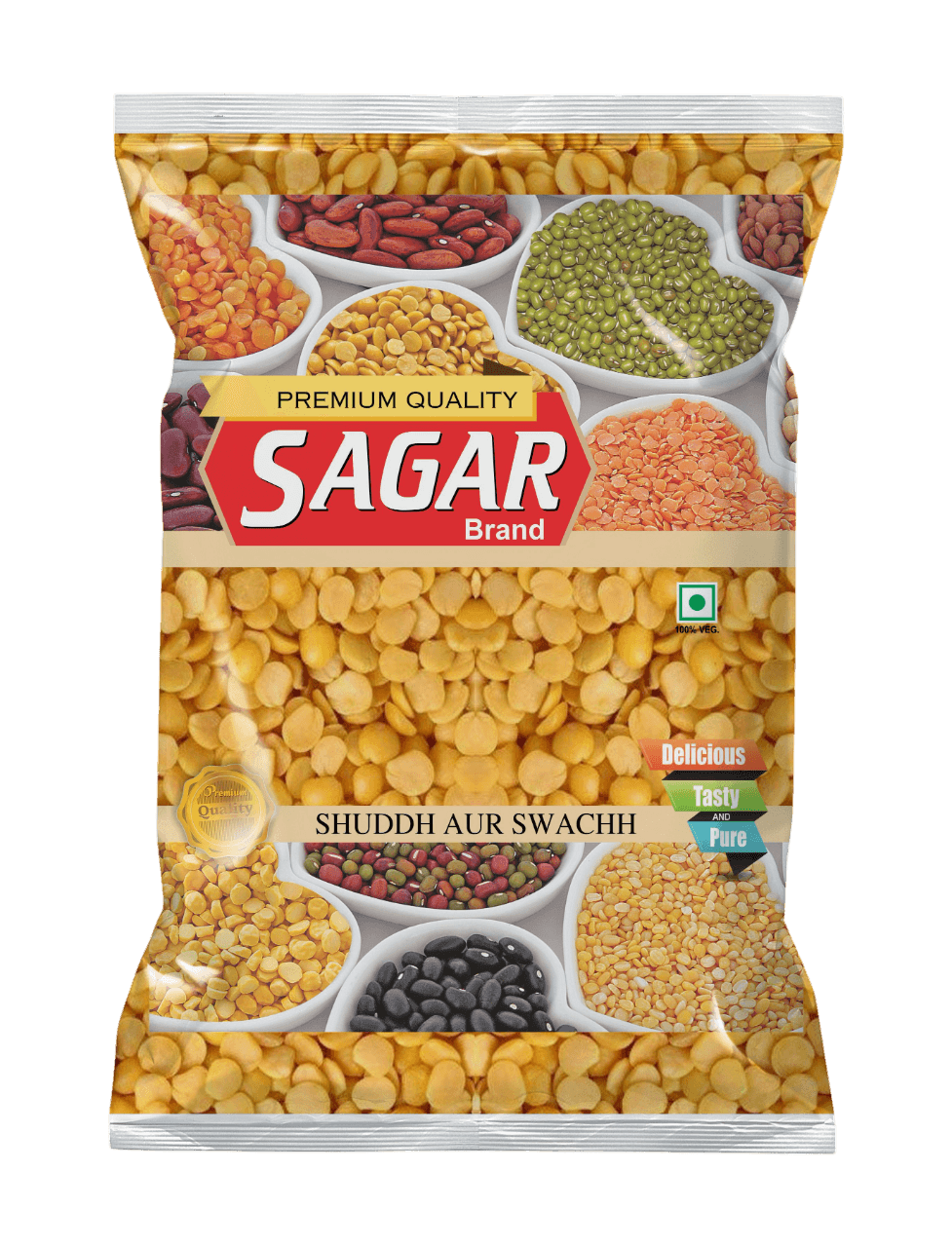
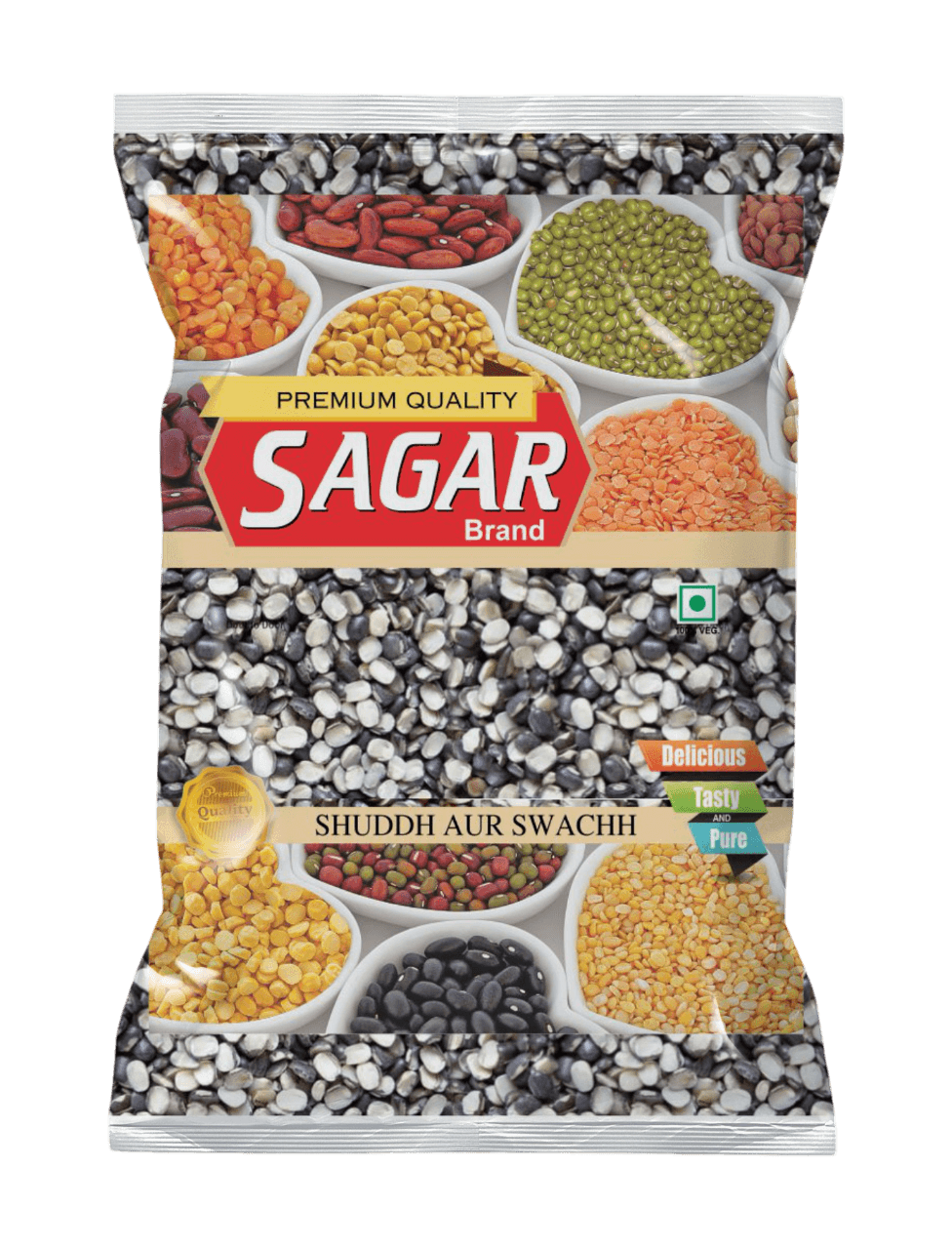
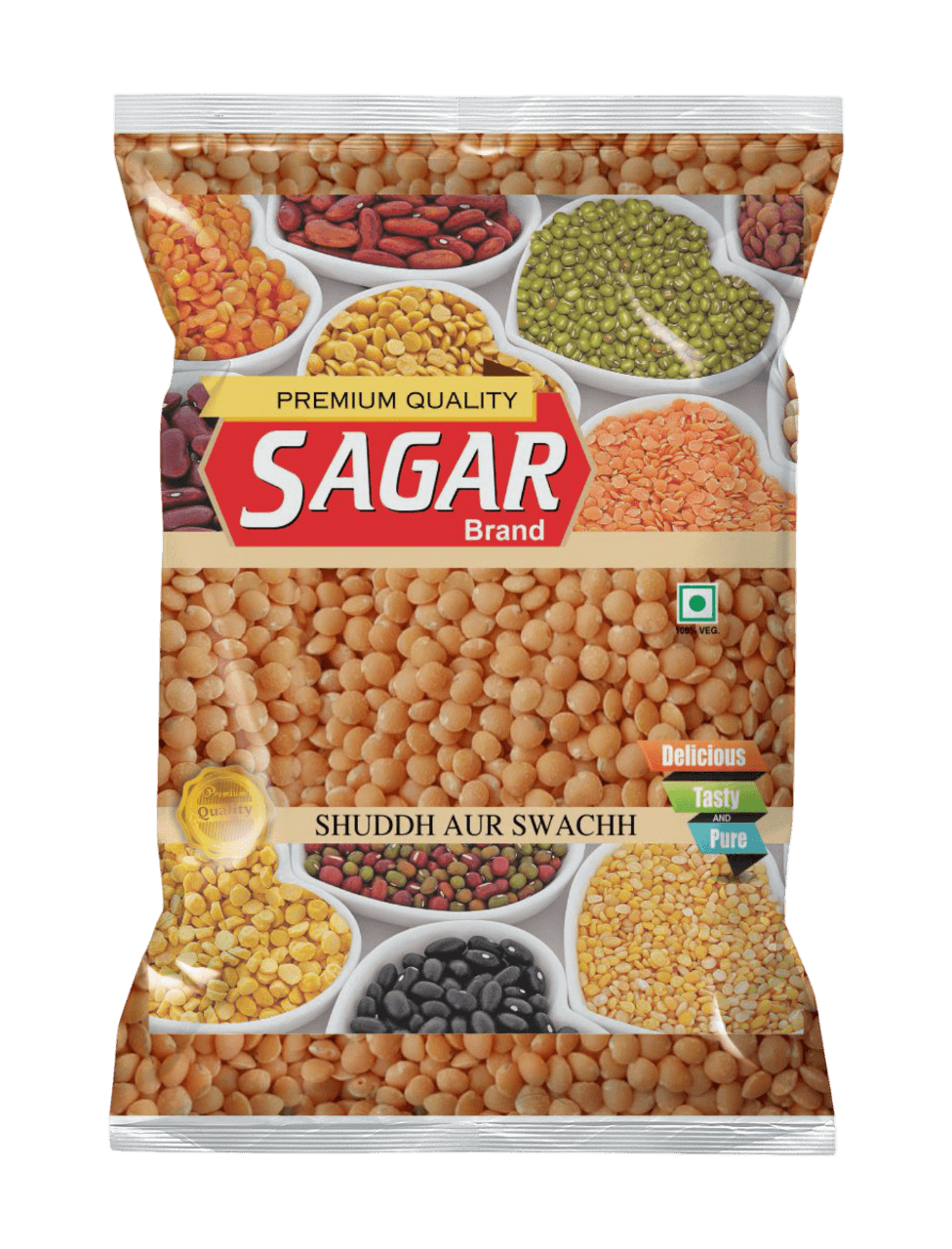
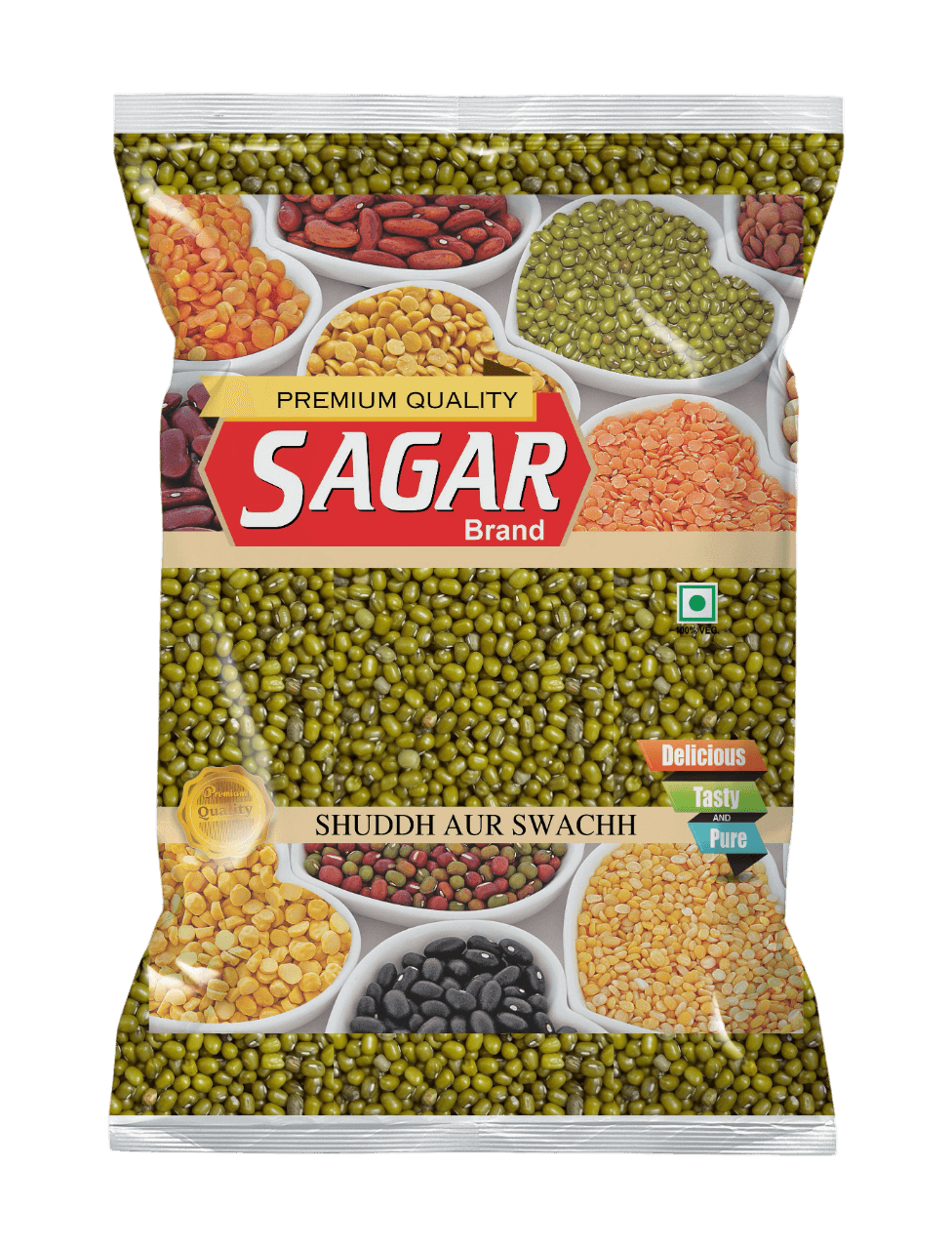
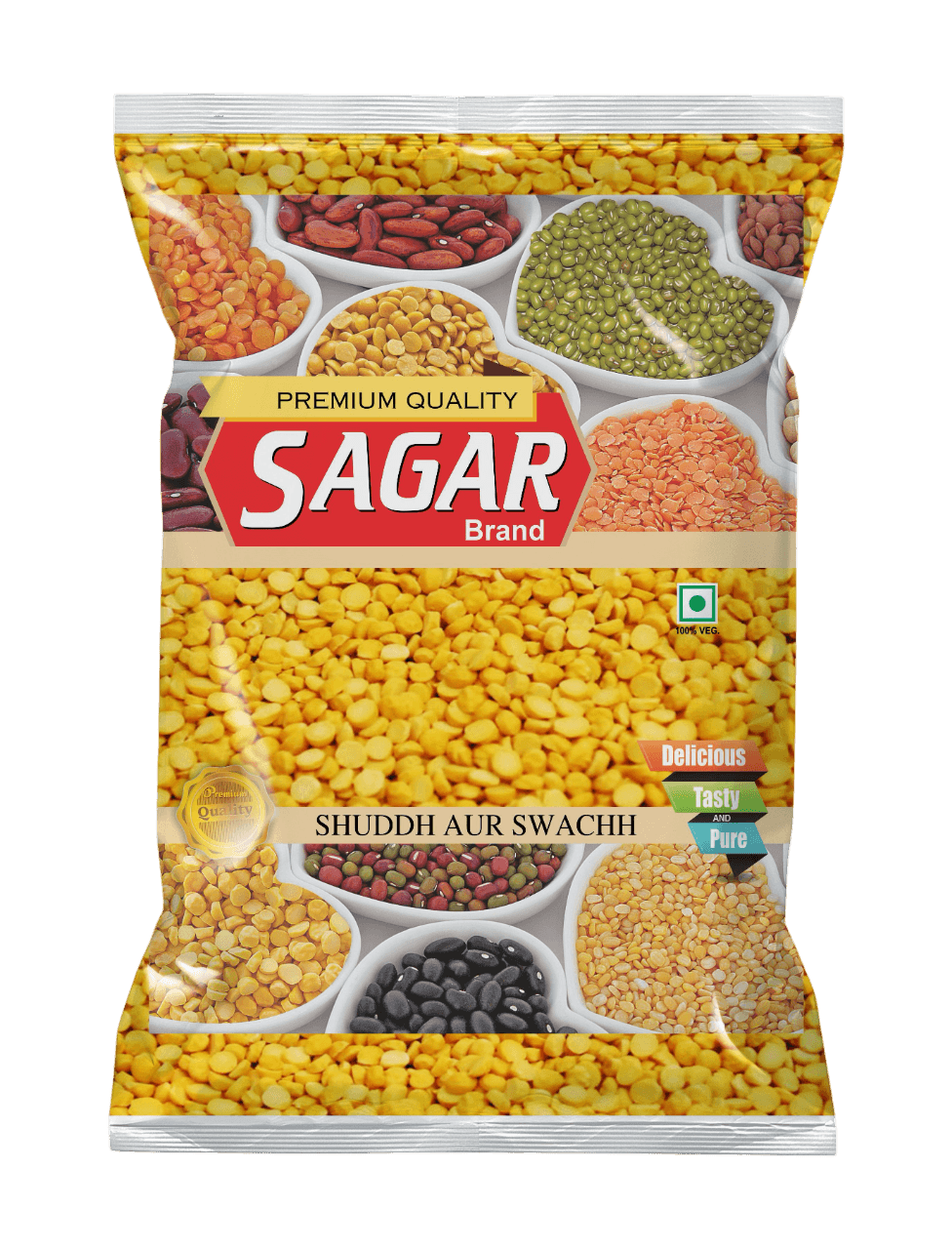
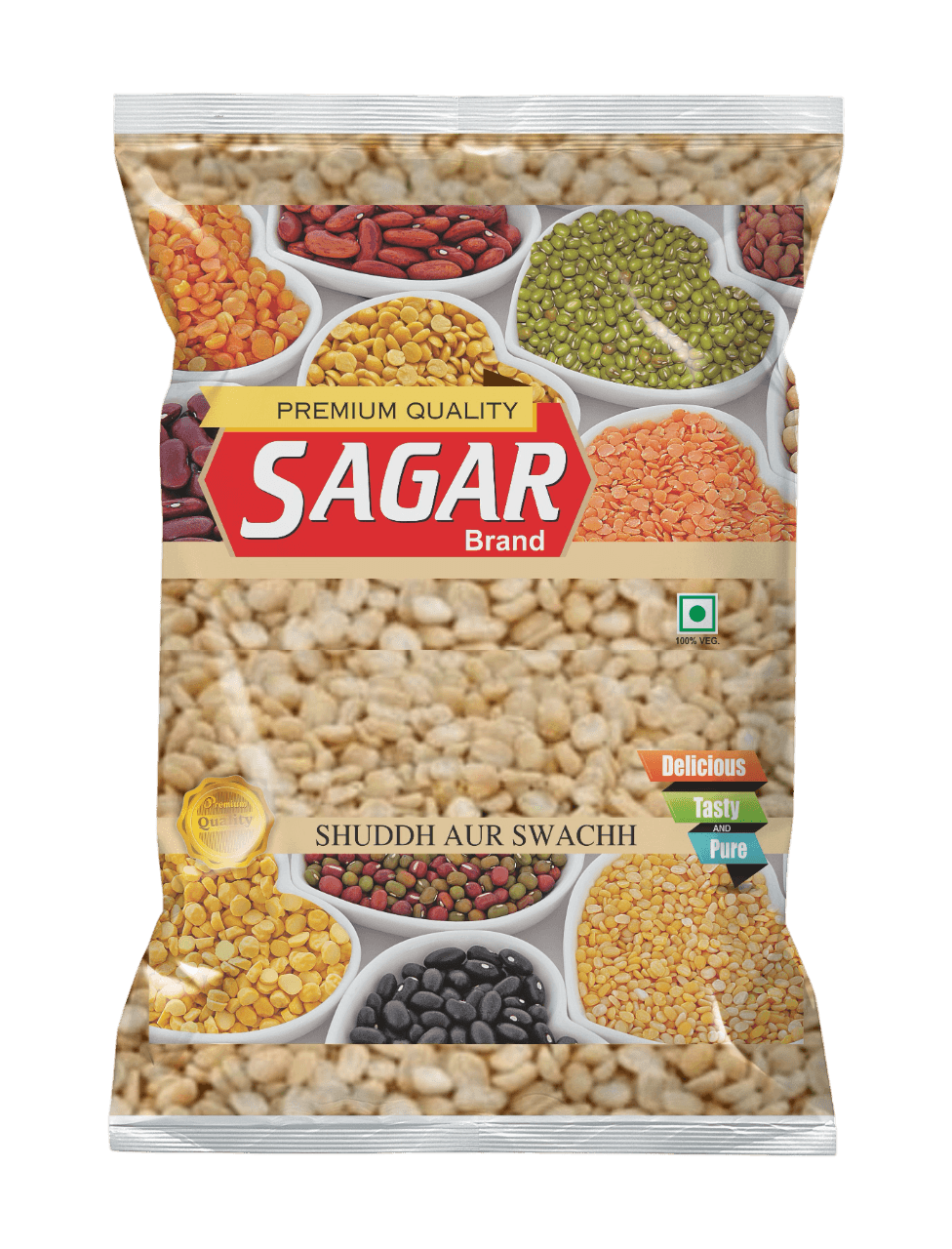
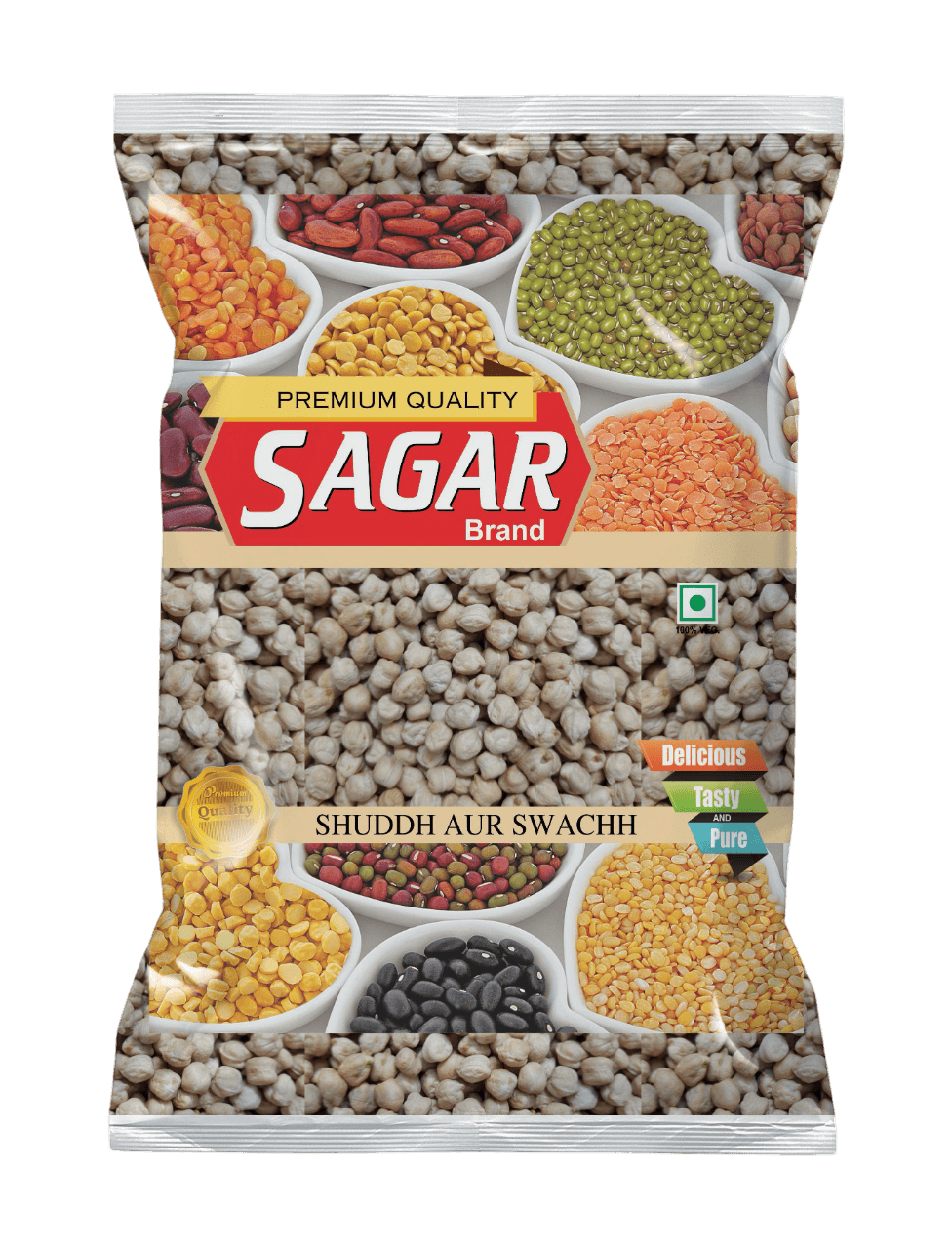
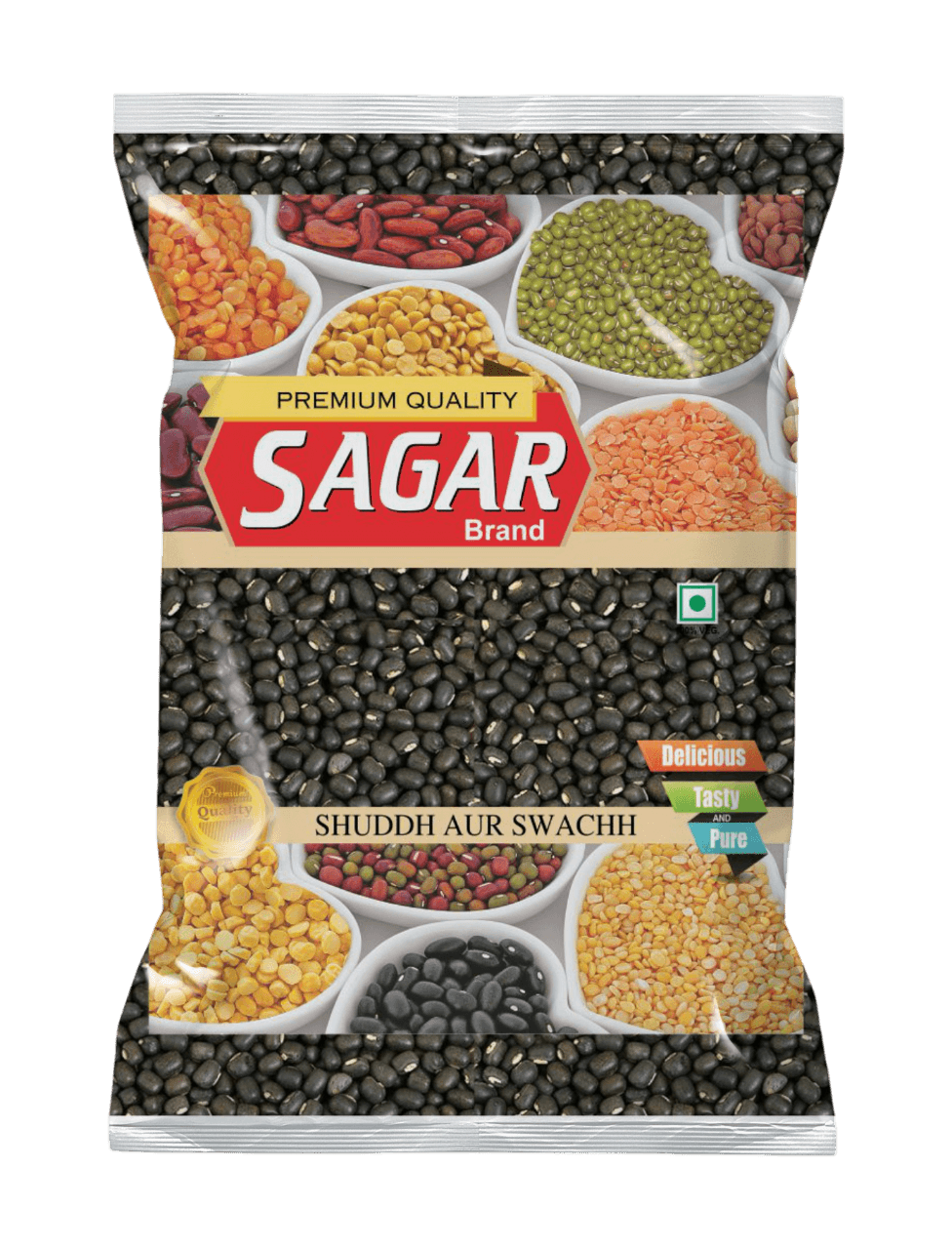
Sagar Brand offers a range of grocery products for everyday cooking, including different varieties of pulses and dals.
From moong dal and chana dal to other popular kitchen staples, choosing the right variety helps you prepare recipes according to your taste and cooking needs.
When buying pulses, check the packaging, product details, and storage instructions. Choose varieties that suit your regular recipes and store them in a cool, dry place after opening.
Explore the available products at Sagar Brand and find suitable pantry staples for your everyday meals.
Conclusion
The different types of pulses offer plenty of options for everyday Indian cooking. Moong dal and masoor dal are useful for quick meals, toor dal is a favourite for traditional dal and sambar, and chickpeas, rajma, and kala chana work well in hearty curries.
White matar, lobia, and whole green moong bring even more variety to snacks, salads, and regional dishes.
By understanding the texture and uses of each pulse, you can choose the right ingredient for every recipe and make better use of your kitchen pantry.
Explore different varieties, experiment with familiar recipes, and include a range of pulses in your regular meals.
At Sagar Brand, choosing suitable pulses for your everyday recipes starts with understanding the variety you need. Select pulses according to your cooking preferences and store them properly to maintain their quality.