In a restaurant kitchen, consistency matters just as much as taste. Customers expect their favorite dal, rajma, chole, or khichdi to taste the same every time they order it.
While chefs and recipes play a major role, the quality of the raw ingredients also has a direct impact on the final dish.
Pulses are an essential part of many Indian restaurant menus. Toor Dal, Moong Dal, Chana Dal, Urad Dal, Masoor Dal, Rajma, and Kabuli Chana are used in everything from everyday meals to signature dishes.
For restaurants that purchase these ingredients regularly, maintaining consistent pulse quality can improve cooking results, reduce waste, and make kitchen operations more efficient.
What Does Consistent Pulse Quality Mean?
Consistent pulse quality means receiving pulses with similar standards from one batch to another. The grains should have a uniform appearance, good cleanliness, appropriate moisture levels, and reliable cooking performance.
For a commercial kitchen, consistency is more than having attractive-looking grains. A restaurant needs ingredients that behave predictably during soaking, boiling, pressure cooking, and seasoning.
When the quality remains stable, chefs can follow established recipes with greater confidence and achieve similar results across different batches.
Why Is Pulse Quality Important for Restaurants?
Restaurants work with tight schedules and high volumes. A small ingredient problem can become a bigger operational issue when food is prepared for dozens or hundreds of customers.
Consistent pulses can help restaurants maintain:
- Reliable taste and texture
- Predictable cooking times
- Better portion control
- Lower food wastage
- Efficient kitchen preparation
- Consistent presentation
- Better customer satisfaction
These benefits become especially important for restaurants with busy lunch and dinner services.
1. Consistent Taste Across Every Batch
A restaurant builds its reputation around the food it serves. If a customer orders dal tadka today and receives a noticeably different texture or flavor next week, it can affect their overall experience.
The quality of the pulses can influence how well they absorb water, spices, and other ingredients. Consistent raw materials make it easier for chefs to maintain the intended taste of a recipe.
For restaurants with signature dishes, this reliability is particularly valuable.
2. More Predictable Cooking
Different batches of pulses can sometimes behave differently during cooking. Grain size, processing, storage conditions, and freshness can influence cooking performance.
Uniform pulses generally make it easier for kitchen staff to plan preparation times. This matters during busy service hours when chefs cannot afford unexpected delays.
For example, if a restaurant prepares a large batch of Toor Dal for lunch, predictable cooking performance helps the kitchen complete preparation on schedule.
3. Less Sorting and Preparation
Commercial kitchens operate under constant time pressure. Staff should spend their time preparing food rather than repeatedly sorting through pulses.
Clean, well-sorted pulses can reduce the amount of manual preparation required before cooking. This can be particularly useful when a restaurant uses large quantities every day.
Less preparation also means a smoother workflow for kitchen staff.
4. Reduced Food Waste
Poor-quality or inconsistent pulses may contain excessive broken grains, damaged pieces, or unwanted particles. Sorting these out can increase waste.
When restaurants purchase properly cleaned and carefully selected pulses, they can make better use of each batch. This helps control ingredient costs over time.
Even small reductions in food waste can make a meaningful difference for a busy commercial kitchen.
5. Better Texture and Presentation
Food presentation matters, even for traditional Indian dishes. Customers notice the texture and appearance of dal, rajma, chole, and other pulse-based dishes.
Consistent grains can help chefs achieve a more predictable final texture. For example, a well-prepared Rajma Masala should have beans that are properly cooked without becoming excessively mushy.
Good-quality pulses make it easier for chefs to maintain the appearance and texture expected from the dish.
6. Easier Recipe Standardization
Restaurants often use standardized recipes to maintain quality across different shifts. This becomes even more important for restaurants with multiple chefs or branches.
When the raw ingredients remain consistent, chefs can rely on established measurements and cooking methods. This makes recipe training easier and reduces variation between batches.
For restaurant chains, consistent ingredients can help maintain the same food experience across different locations.
7. Better Inventory Planning
Reliable pulse quality also supports better inventory management. When a restaurant knows how a product performs, it becomes easier to estimate how much is needed for a particular number of servings.
This helps purchasing teams plan orders according to actual consumption rather than keeping excessive safety stock.
Restaurants should still maintain appropriate stock levels and store pulses correctly to protect quality after delivery.
Which Pulses Need Consistent Quality?
Almost every pulse used in a commercial kitchen benefits from consistent quality. Reliable pulses help chefs maintain the same taste, texture, and cooking results across different dishes and batches.
From Toor Dal and Moong Dal to Chana Dal, Urad Dal, Masoor Dal, Rajma, and Kabuli Chana, consistent quality helps restaurants serve dependable dishes every day. It also reduces preparation time, food waste, and variations in cooking results.
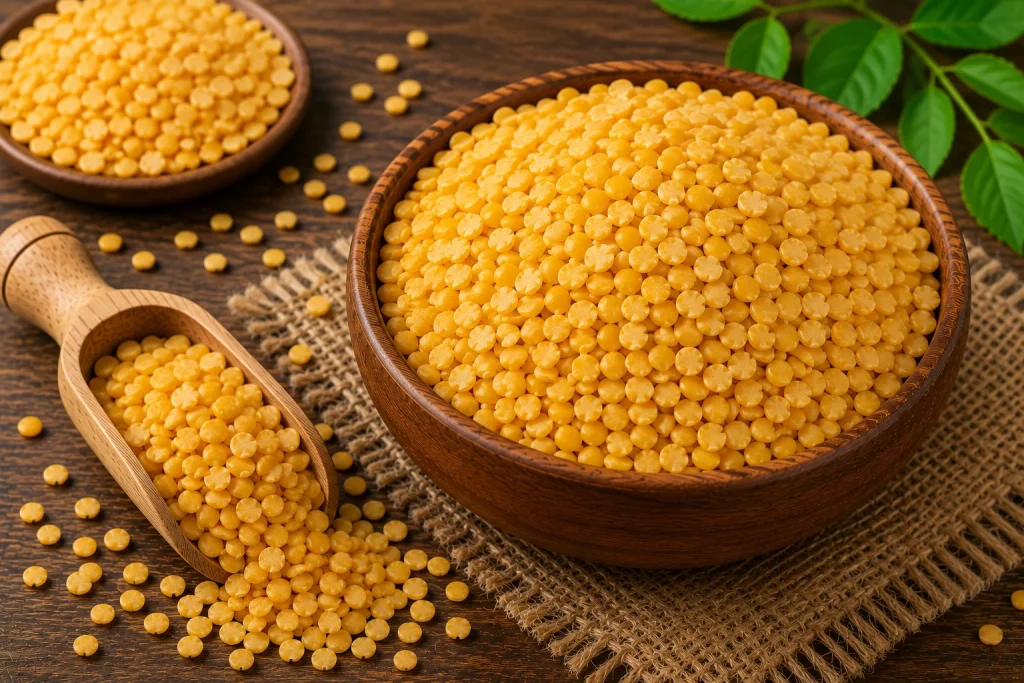
Toor Dal
Toor Dal, also known as Arhar Dal, is a popular choice for restaurants because it works well in dal tadka, dal fry, sambar, and many traditional Indian dishes. Its mild flavor and creamy texture make it suitable for everyday commercial cooking.
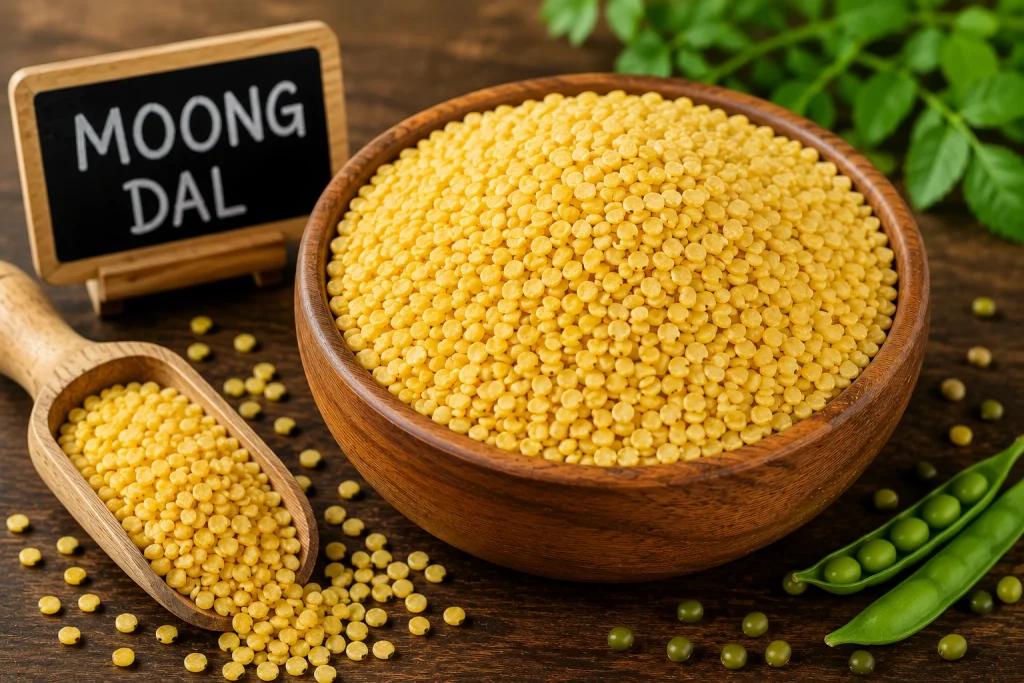
Moong Dal
Moong Dal is a light and versatile pulse commonly used for khichdi, dal, soups, and healthy meal options in restaurants. Its mild taste makes it easy to pair with different spices and ingredients.
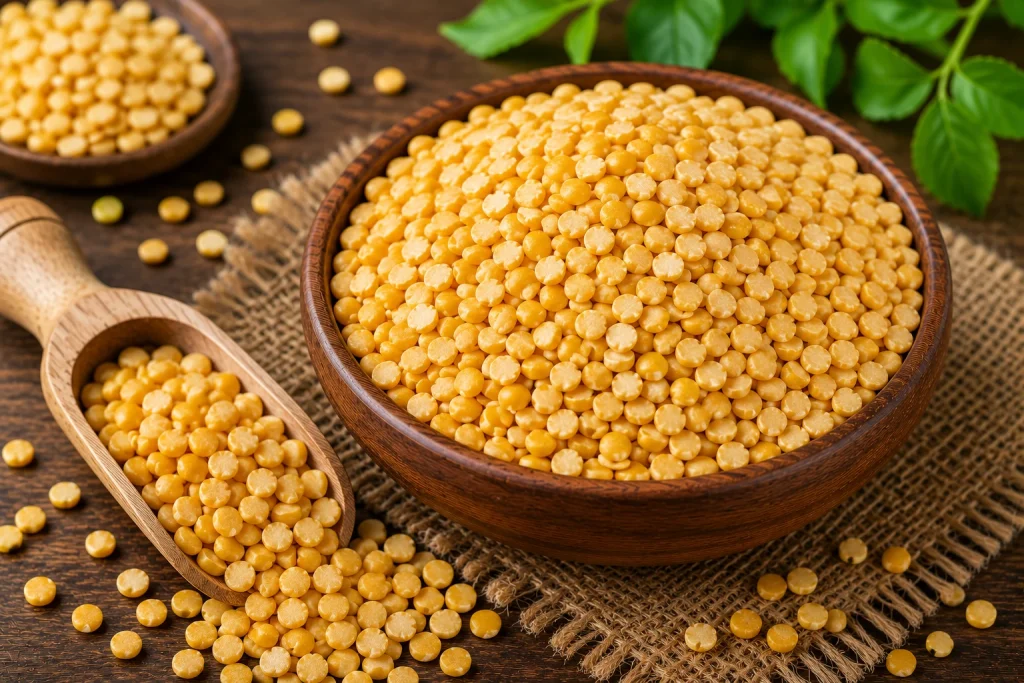
Chana Dal
Chana Dal is widely used in restaurants for dal, tadka, snacks, stuffing, and traditional Indian dishes. Its nutty flavor and firm texture make it a versatile ingredient for many recipes.
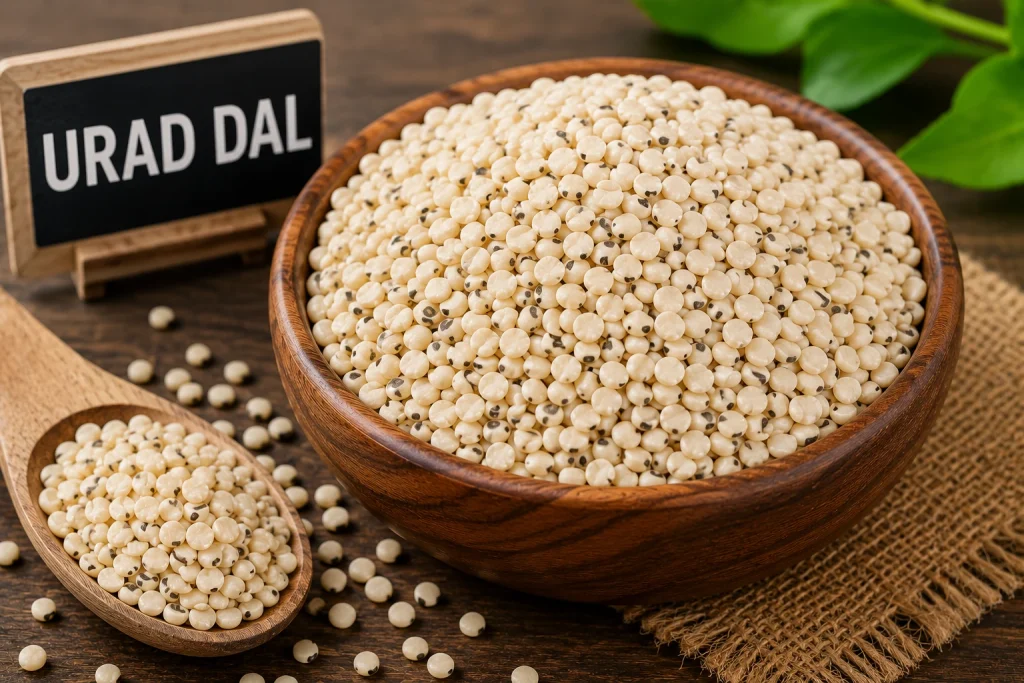
Urad Dal
Urad Dal is widely used in restaurants for Dal Makhani, dosa, idli, medu vada, and other traditional dishes. Its rich texture and distinctive flavor make it an important ingredient in both North and South Indian cuisines.
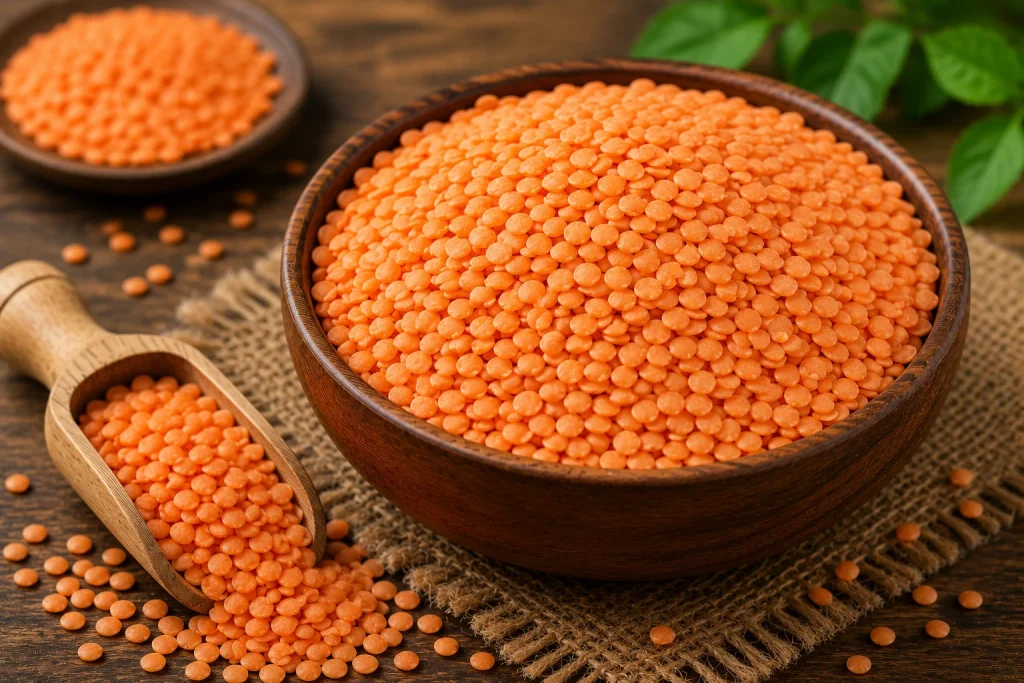
Masoor Dal
Masoor Dal is a practical choice for restaurants because it cooks well and can be used in dal, soups, mixed dal, and everyday Indian meals. Its mild flavor works well with a variety of spices and cooking styles.
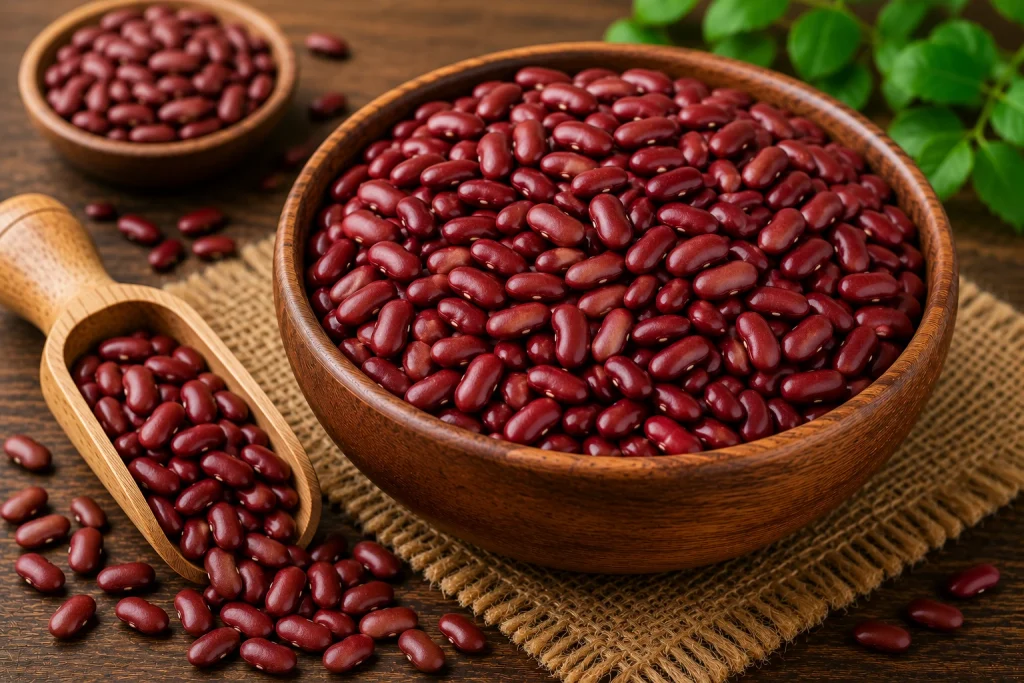
Rajma
Rajma is a popular choice for restaurants, especially for Rajma Masala, rice bowls, curries, and North Indian thali meals. Its rich flavor and creamy texture make it a favorite among many customers.
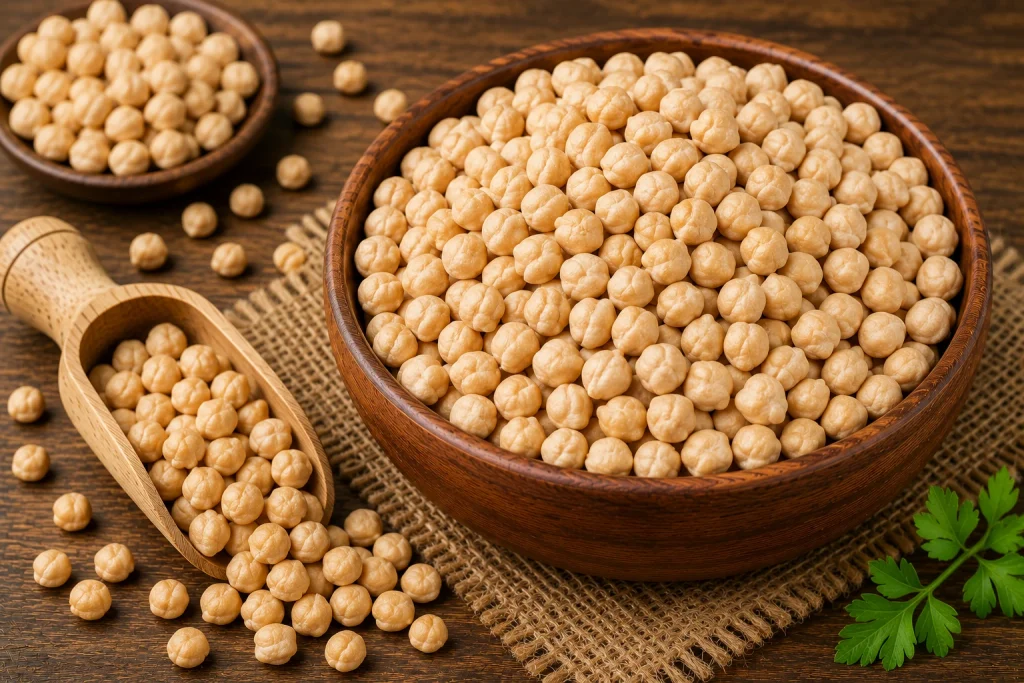
Kabuli Chana
Kabuli Chana is a popular ingredient for Chole, chaat, salads, curries, and other chickpea-based dishes. Its creamy texture and mild nutty flavor make it suitable for restaurants serving North Indian and multi-cuisine menus.
The right selection depends on the restaurant’s menu and daily consumption.
How Restaurants Can Check Pulse Quality
Before committing to a large purchase, restaurants should evaluate the product carefully. Checking a small sample first can help kitchens understand its cleanliness, freshness, and cooking performance.
- Examine the overall cleanliness of the grains.
- Look for uniform size and appearance.
- Check for excessive broken or damaged pieces.
- Look for signs of moisture or insect activity.
- Review packaging and storage conditions.
- Test a small quantity before placing a larger order.
- Compare cooking performance across batches.
A simple trial order can help a restaurant understand how a particular product performs in its own kitchen.
Choosing the Right Pulses Supplier
A reliable supplier should provide more than competitive pricing. Restaurants need a supply partner that can maintain product quality and availability over time.
Before choosing a supplier, consider:
Product Quality
Ask how the pulses are cleaned, sorted, processed, and packed.
Consistent Supply
A restaurant should be able to reorder frequently used products without unnecessary interruptions.
Product Range
A supplier offering different dals and pulses can simplify procurement and reduce the need to coordinate with multiple vendors.
Packaging
Packaging should protect the product during transportation and storage.
Commercial Requirements
Discuss bulk quantities, delivery schedules, ordering frequency, and other requirements before establishing a long-term supply relationship.
Sagar Brand for Restaurant and Food Businesses
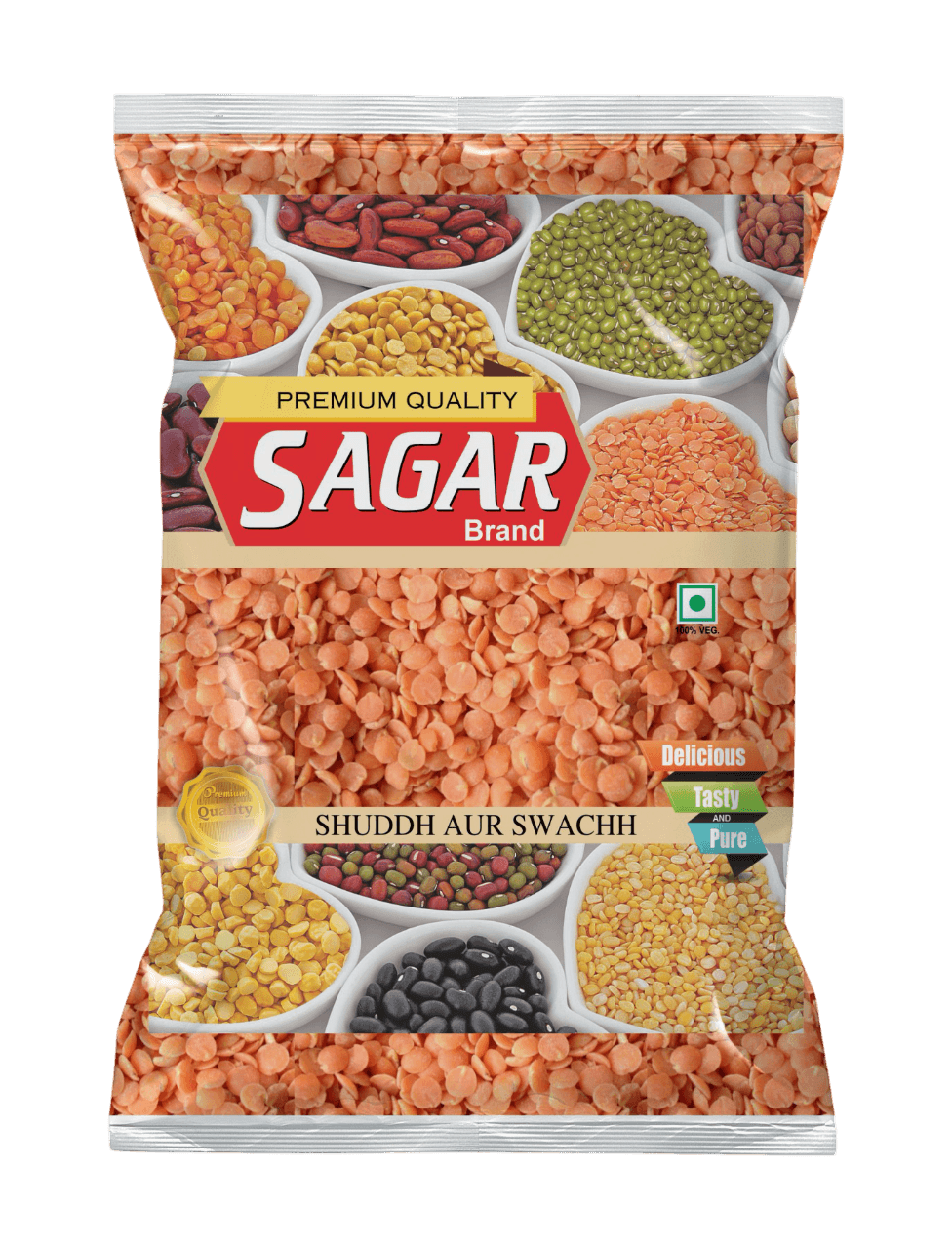
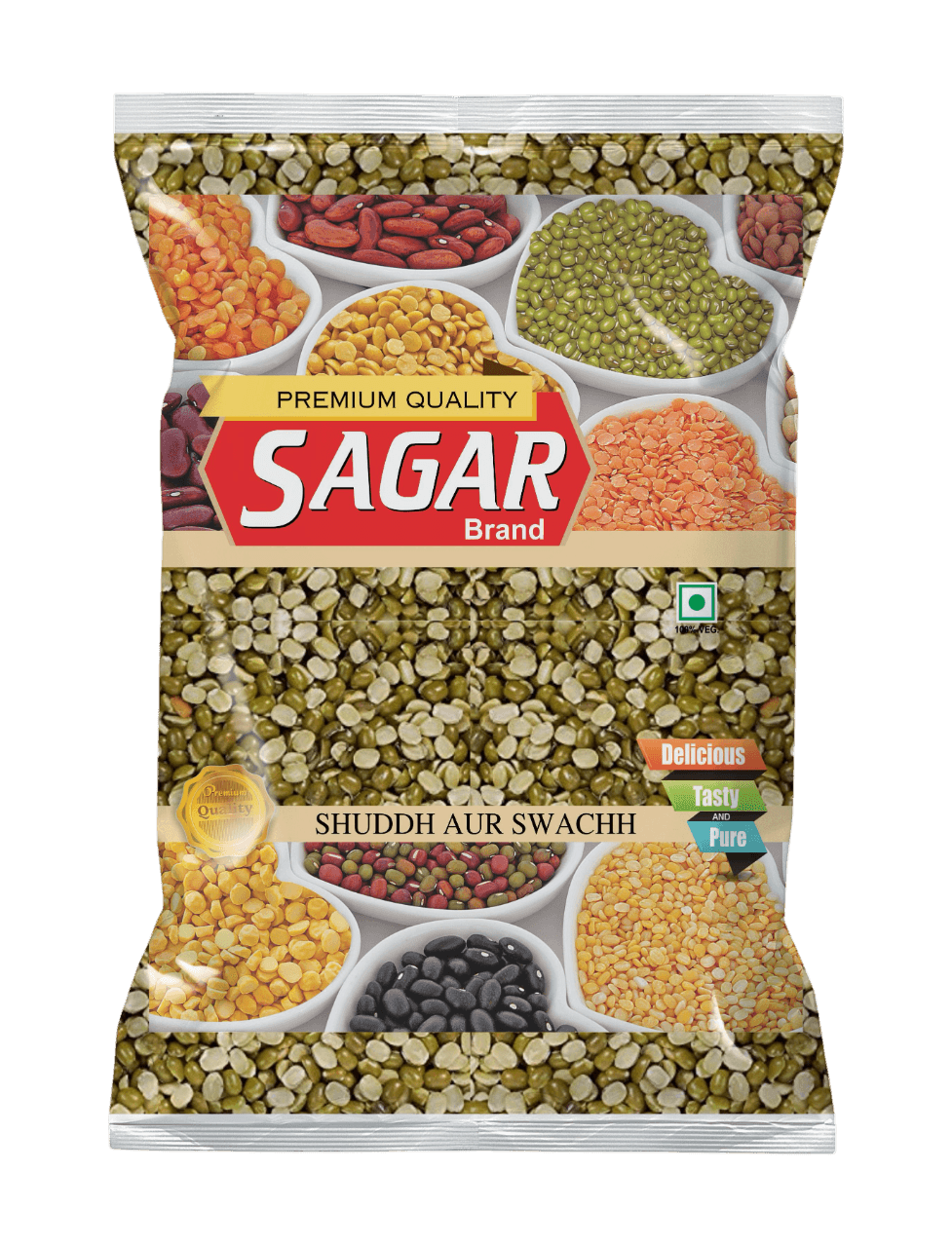
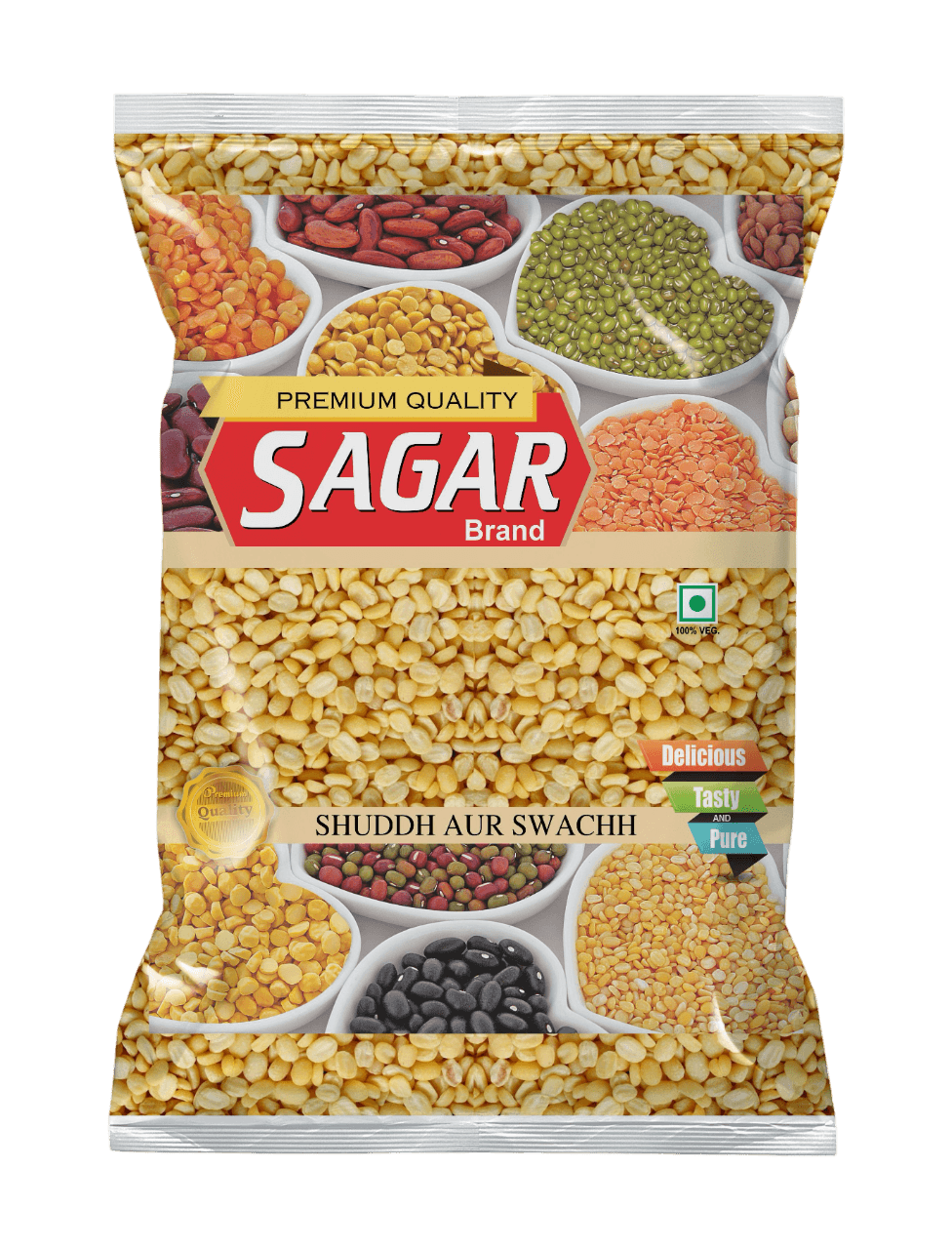
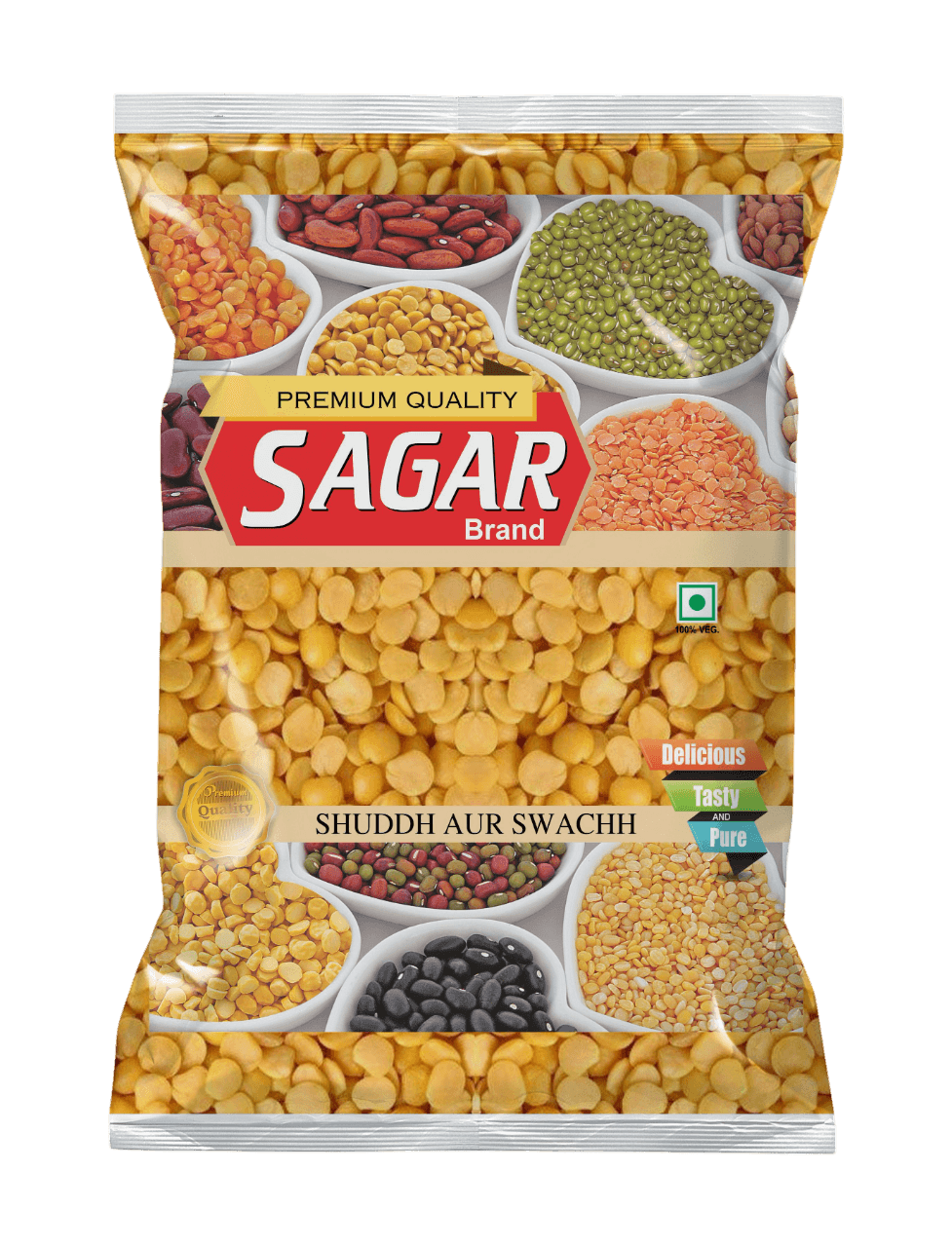
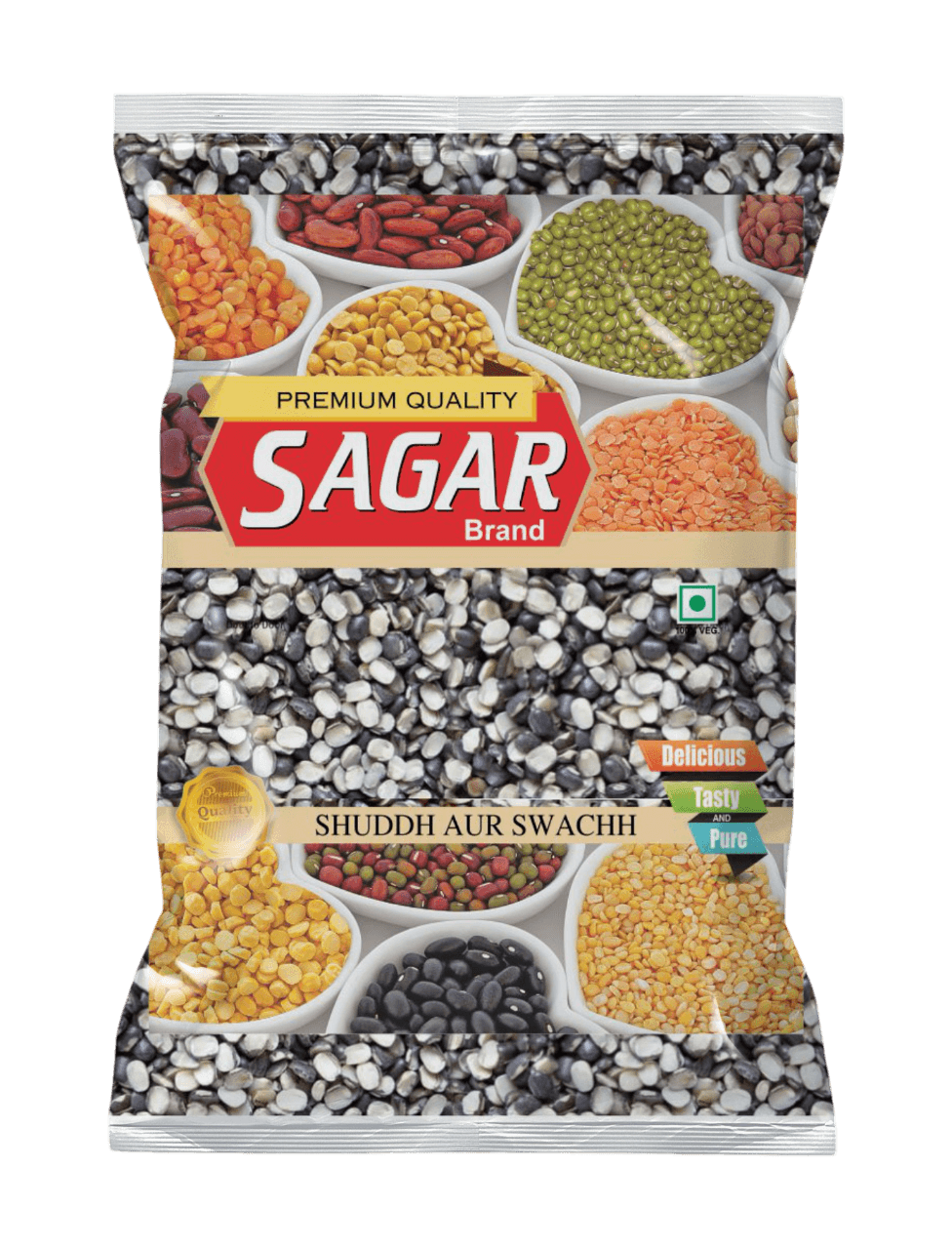
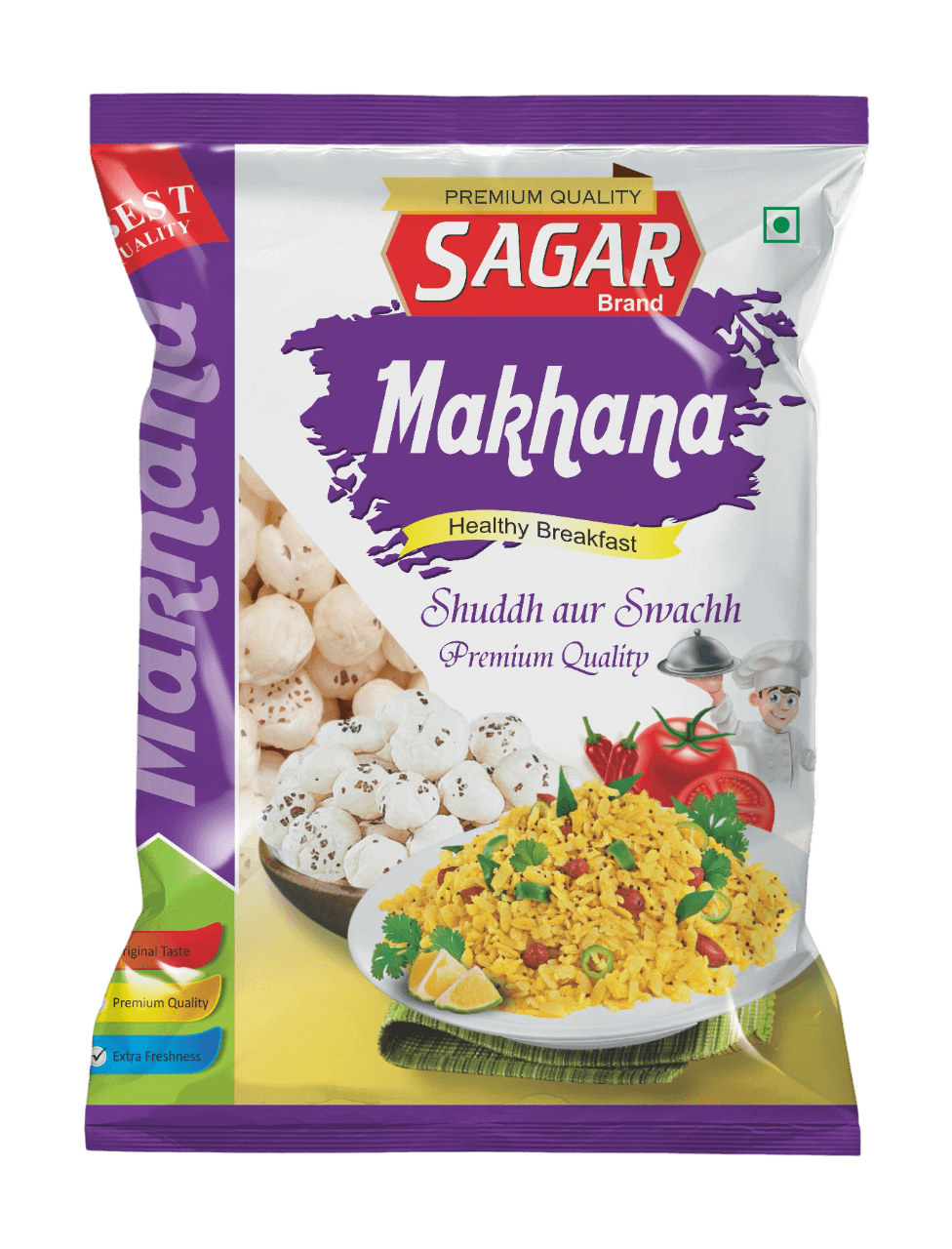
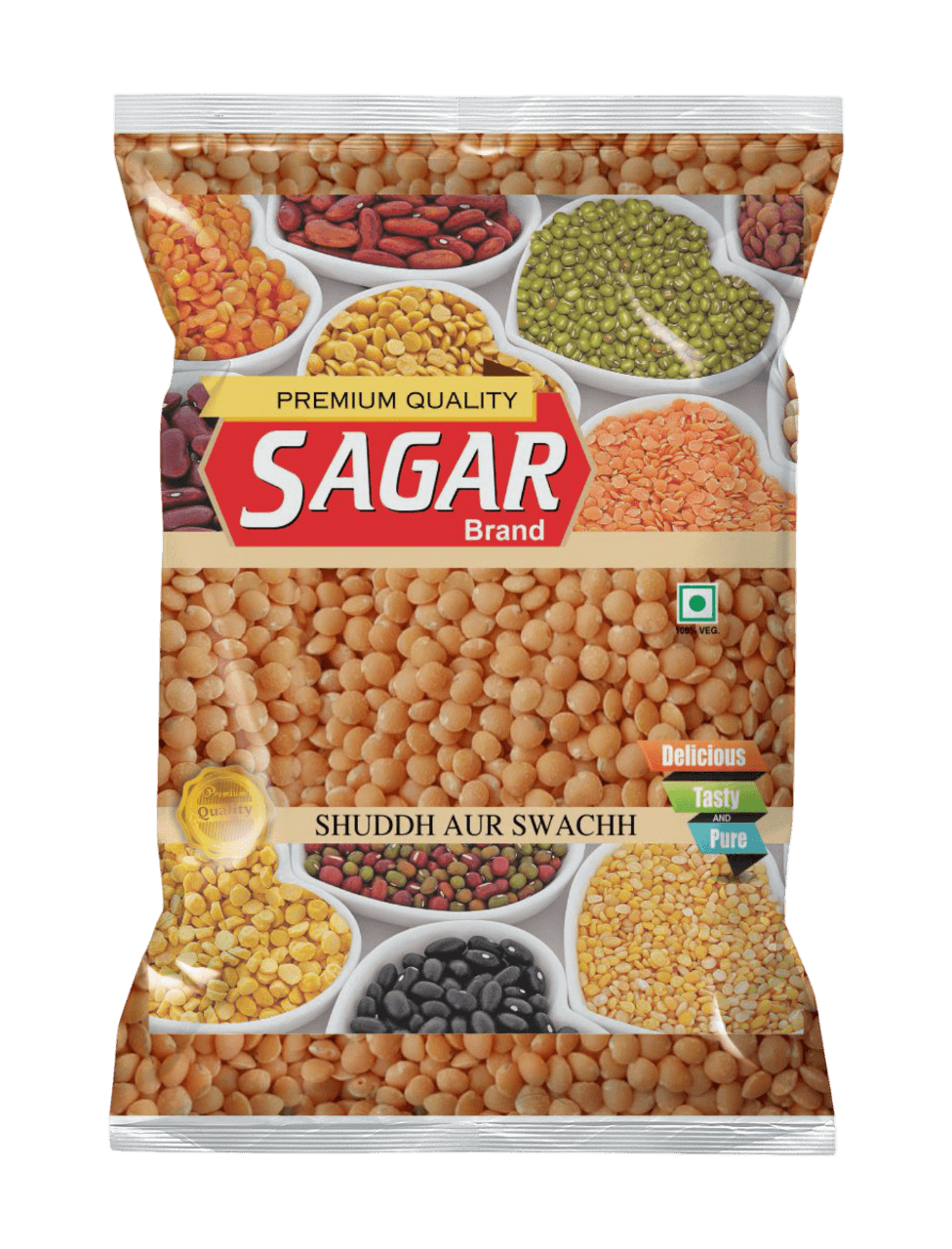
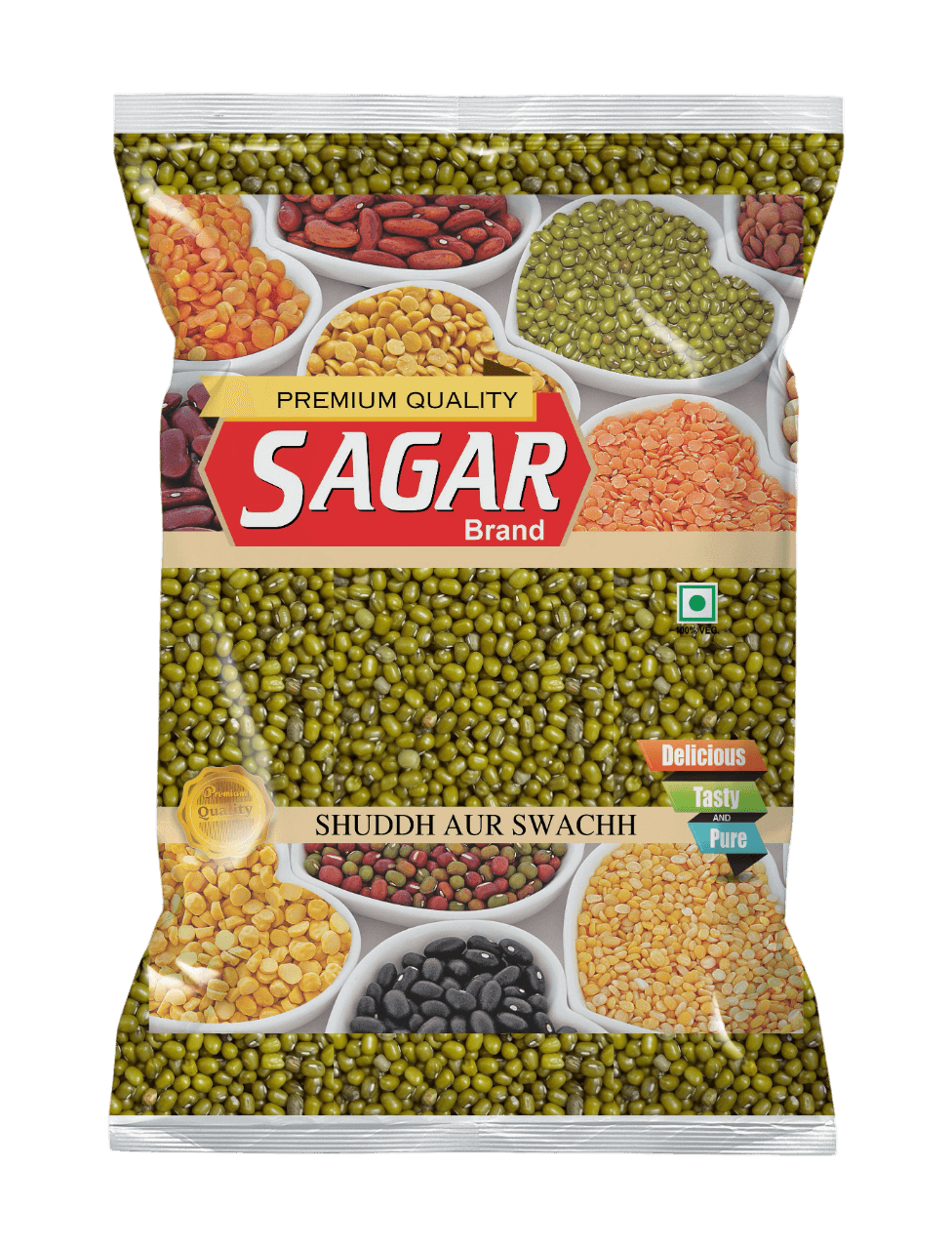
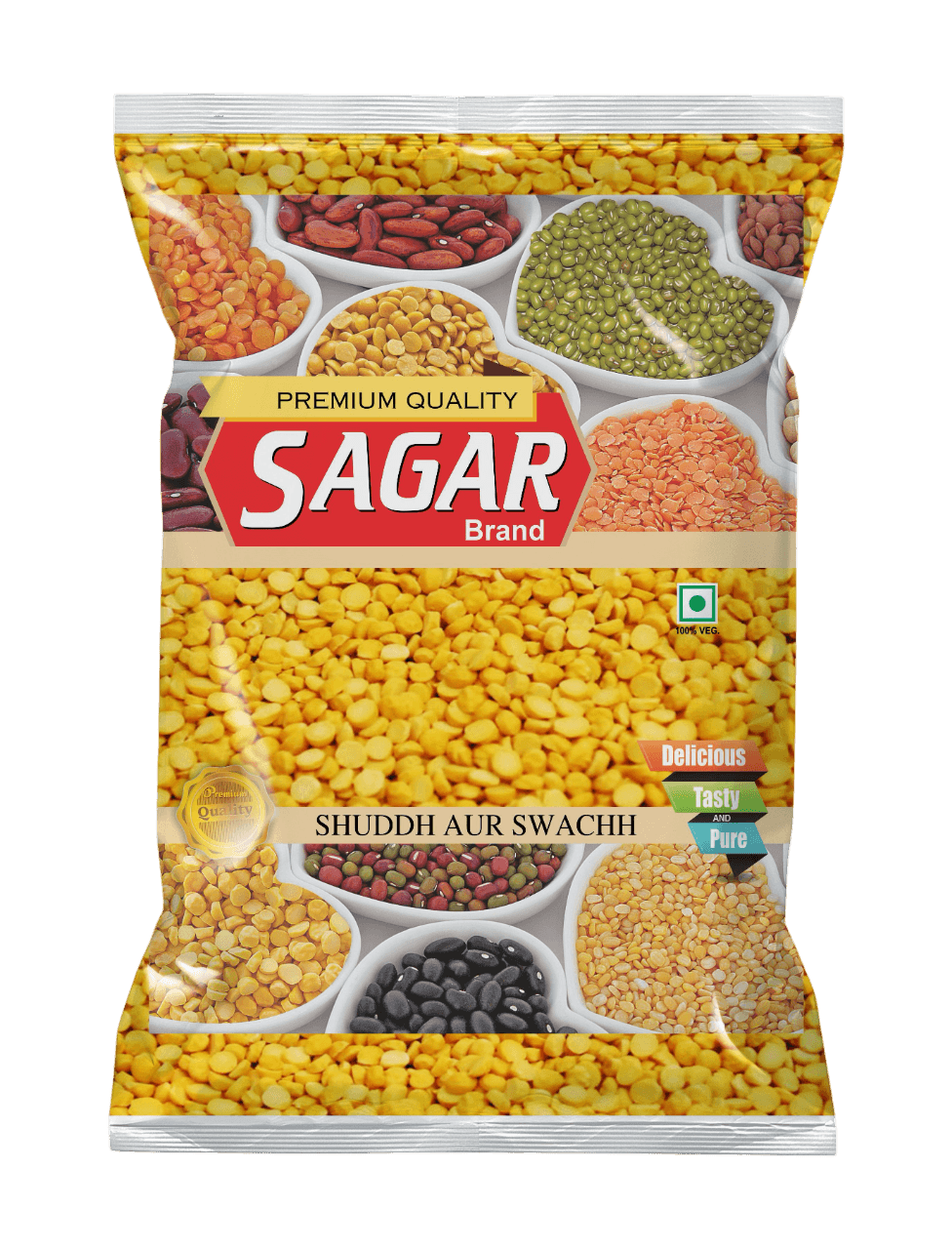
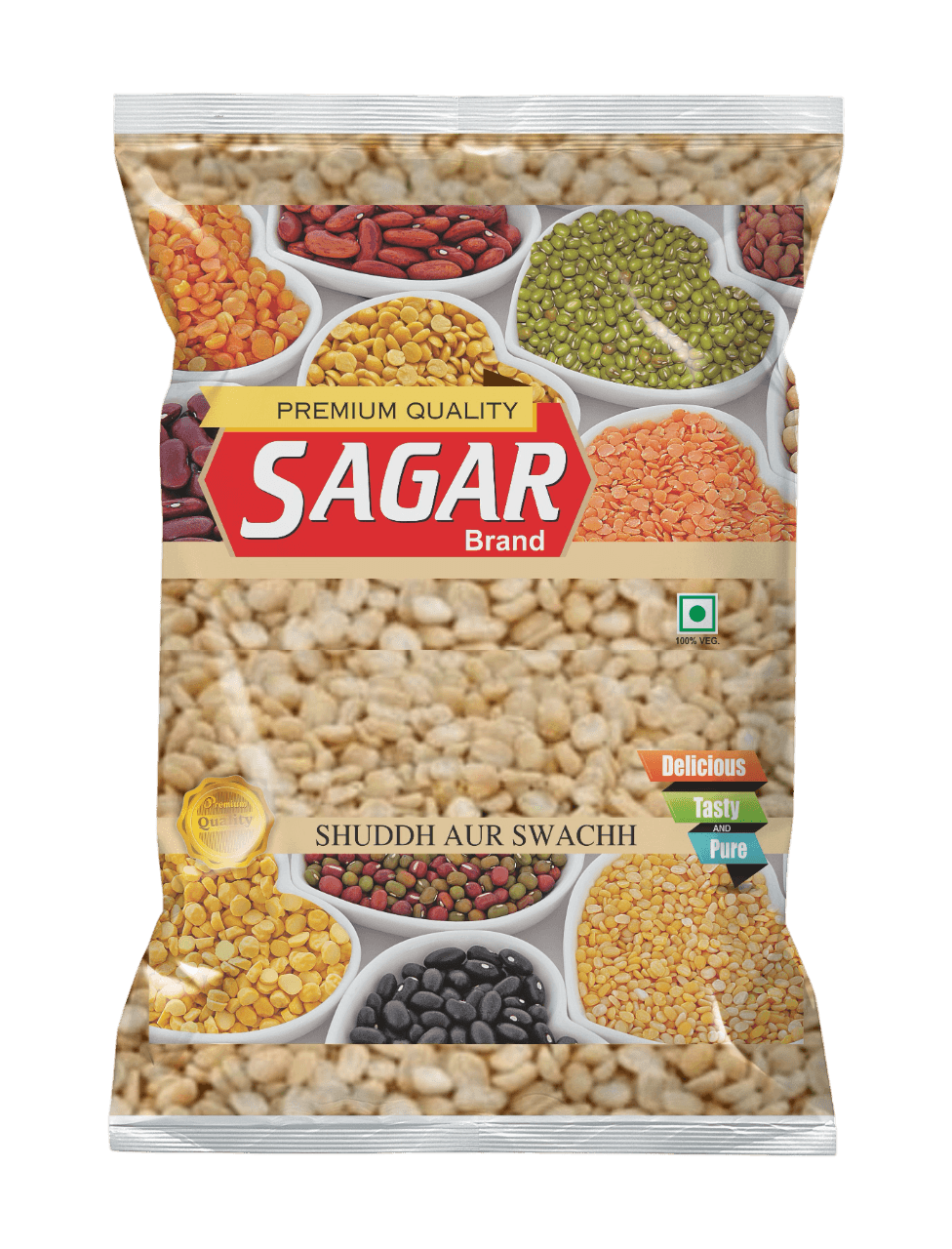
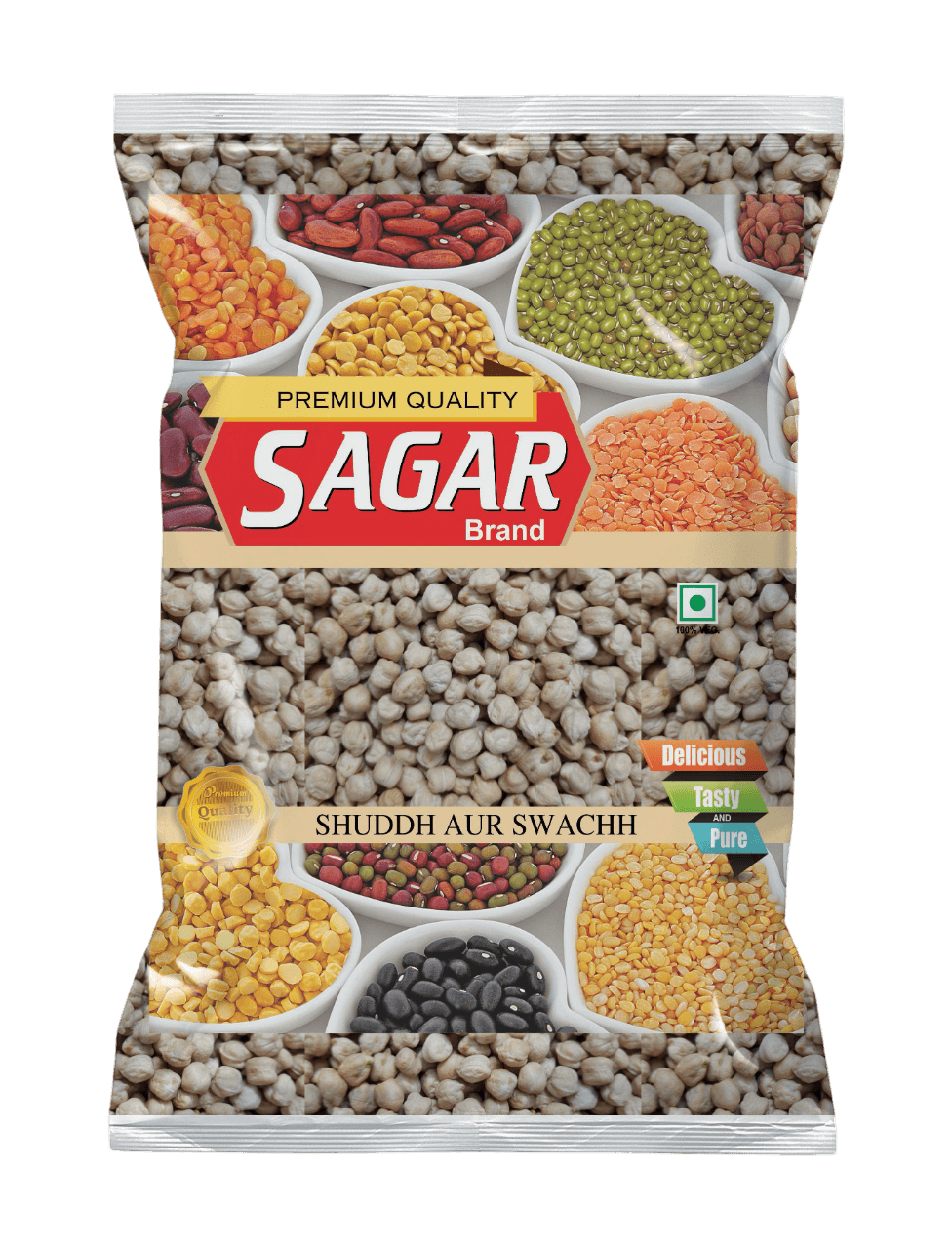
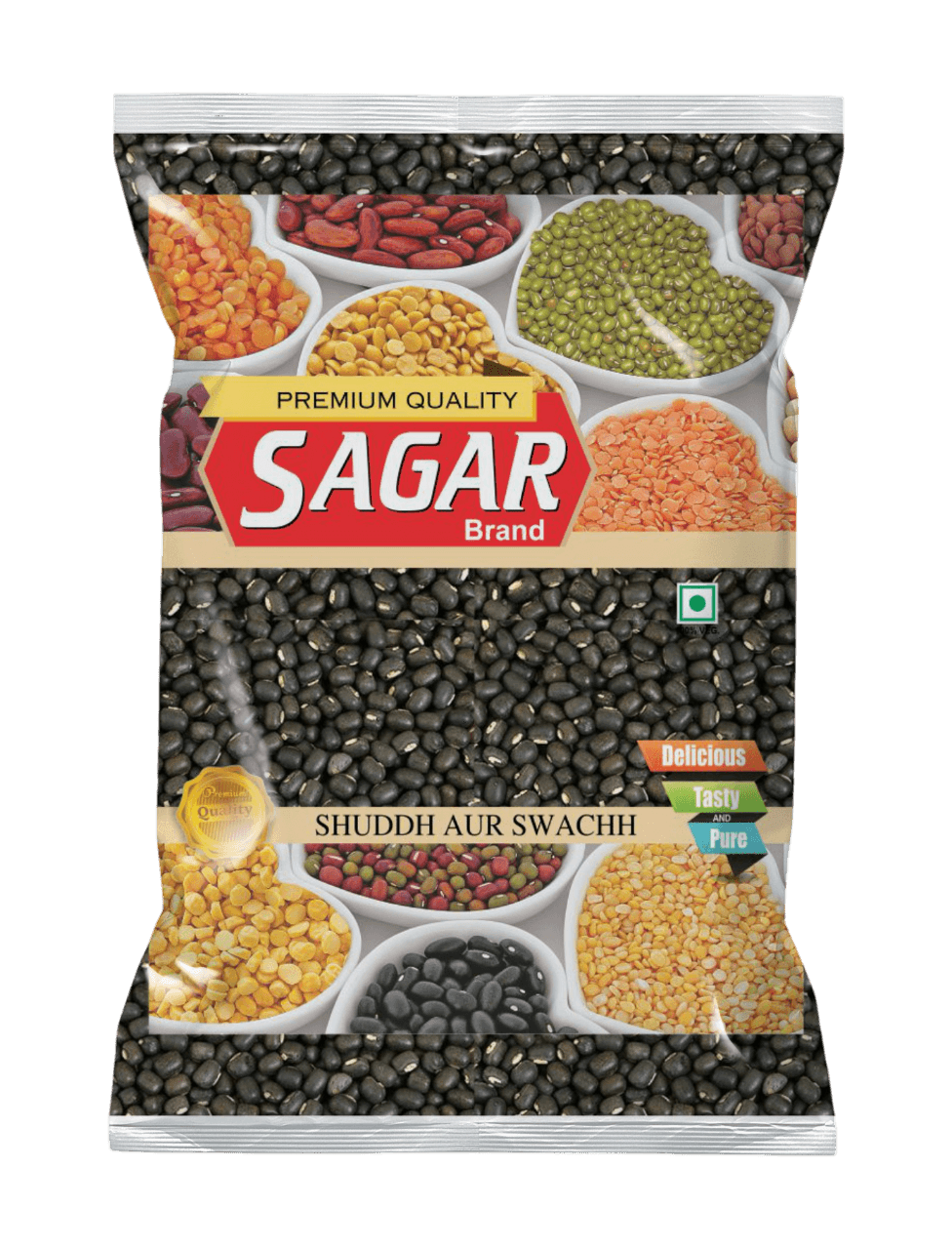
For restaurants and other food businesses, Sagar Brand offers a range of commonly used dals and pulses, including Toor Dal, Moong Dal, Urad Dal, Masoor Dal, Chana Dal, Rajma, and Kabuli Chana.
Having multiple pulse varieties available through one brand can make procurement easier for commercial kitchens. Restaurants can choose products according to their menu, consumption volume, and cooking requirements.
For a restaurant, the objective should not simply be to purchase the lowest-priced pulses. Reliable quality, clean products, consistent cooking performance, and dependable availability can provide better long-term value.
Quality vs Price: What Should Restaurants Prioritize?
Price is naturally important when purchasing ingredients in bulk. However, focusing only on the lowest price can sometimes lead to higher costs elsewhere.
For example, a product that requires more sorting, creates more waste, or produces inconsistent cooking results may increase labor and operational costs.
Restaurants should therefore consider the total value of a product, including cleanliness, cooking performance, consistency, wastage, availability, and price.
Conclusion
Consistent pulse quality is an important part of efficient restaurant operations. It helps chefs prepare food with greater confidence, maintain recipe standards, reduce preparation time, and deliver a more predictable dining experience.
From Toor Dal and Moong Dal to Rajma and Kabuli Chana, every pulse has a specific role in a commercial kitchen. Choosing carefully selected products from a reliable supplier can make everyday cooking more efficient while supporting consistent food quality.
For restaurants, hotels, caterers, and other food businesses, Sagar Brand provides a range of pulse options that can support different menu requirements.
By combining good-quality ingredients with proper storage and standardized cooking practices, businesses can build a more reliable and efficient kitchen operation.
FAQs
1.Why is pulse quality important for restaurants?
Consistent-quality pulses help restaurants maintain reliable taste, texture, cooking time, and food presentation.
2.Which pulses are commonly used by restaurants?
Toor Dal, Moong Dal, Chana Dal, Urad Dal, Masoor Dal, Rajma, and Kabuli Chana are commonly used in Indian restaurant kitchens.
3.How can restaurants check pulse quality?
Restaurants can check cleanliness, grain uniformity, packaging, freshness, and cooking performance before placing large orders.
4.Does pulse quality affect food cost?
Yes. Better-quality pulses can reduce sorting, preparation time, and food waste, which may help improve overall cost efficiency.
5.How should restaurants store pulses?
Store pulses in airtight containers in a cool, dry area away from moisture, sunlight, insects, and the floor.
6.What should restaurants look for in a pulses supplier?
Look for consistent quality, reliable availability, suitable packaging, a good product range, and dependable delivery.
7. Why is consistent pulse quality important for restaurants?
It helps maintain the same taste, texture, and cooking results in every batch.
8. How can quality pulses reduce food waste?
Clean and uniform pulses create less sorting waste and improve ingredient utilization.
9. Which pulses are commonly used in restaurants?
Toor Dal, Moong Dal, Chana Dal, Urad Dal, Masoor Dal, Rajma, and Kabuli Chana are popular choices.
10. What should restaurants look for in a pulse supplier?
Look for consistent quality, reliable supply, hygienic packaging, and a suitable range of products.