Moong Dal Halwa contains approximately 350 – 450 calories per 100g and provides protein, healthy fats, energy, and traditional flavor.
Moong Dal Halwa is one of India’s most loved traditional desserts, especially popular during winters, festivals and special occasions. This rich sweet dish made with yellow moong dal, desi ghee, sugar and dry fruits is known for its delicious taste and energizing effects.
Many people enjoy moong dal halwa but often wonder about moong dal halwa calories, nutritional value, and whether it can be part of a balanced diet.
In this blog, we will explore calories in moong dal halwa, nutrition facts, health benefits, and everything you need to know before enjoying this classic Indian sweet.
Moong Dal Halwa Calories & Nutrition Facts
Moong Dal Halwa is prepared using nutrient-rich ingredients such as moong dal, ghee, milk and nuts. Although it is a high-calorie dessert, it also contains protein, healthy fats and carbohydrates that help increase energy levels.
The exact moong dal halwa calories may vary depending on the amount of ghee and sugar used. However, when consumed in moderation, it can be enjoyed as part of a healthy lifestyle.
Moong Dal Halwa Calories Breakdown
| Quantity | Calories (Approx.) |
| 1 Spoon (20g) | 80 – 100 kcal |
| 1 Small Bowl (100g) | 350 – 450 kcal |
| 100g Moong Dal Halwa | 350 – 450 kcal |
| 1 Serving (150g) | 500 – 650 kcal |
Moong Dal Halwa Nutrition Value (Per 100g)
| Nutrient | Amount (Approx.) |
| Calories | 350 – 450 kcal |
| Carbohydrates | 35 – 45 g |
| Protein | 8 – 10 g |
| Fat | 18 – 25 g |
| Fiber | 3 – 5 g |
| Calcium | Moderate |
| Iron | Moderate |
The calories in moong dal halwa mainly come from ghee, sugar, and moong dal. It also contains essential nutrients that support overall health when consumed in appropriate portions.
Health Benefits of Moong Dal Halwa
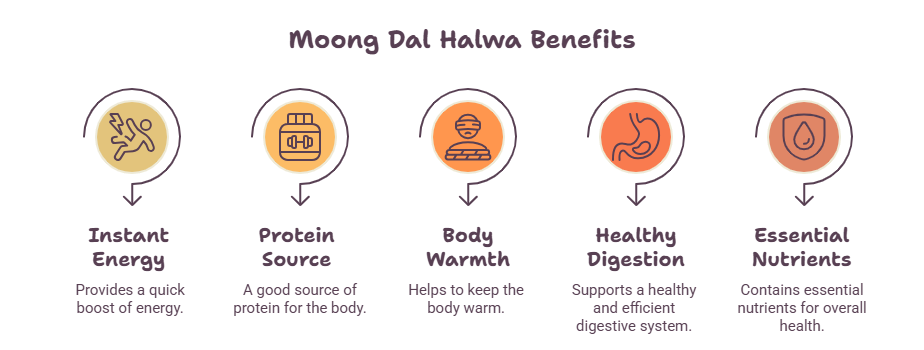
1. Provides Instant Energy
Moong Dal Halwa is rich in carbohydrates and healthy fats, making it an excellent source of quick energy.
This reduces fatigue and allows you to stay active throughout the day. This is one of the main reasons why it is usually enjoyed during winters, festivals, and special occasions.
2. Good Source of Protein
Made from yellow moong dal, this traditional dessert contains plant-based protein that supports muscle growth and repair.
Protein also helps keep you full for longer, making Moong Dal Halwa a more nutritious option compared to many other Indian sweets.
3. Helps Keep the Body Warm
Moong Dal Halwa is traditionally eaten in cold weather as ingredients like desi ghee and moong dal warm the body.
Its rich texture and energy content make it a comforting dessert that is especially popular during the winter season.
4. Supports Healthy Digestion
Moong dal is known for being easier to digest than many other legumes.
When prepared properly, Moong Dal Halwa can be a satisfying dessert that is gentle on the digestive system while providing essential nutrients and energy.
5. Contains Essential Nutrients
Moong Dal Halwa provides important nutrients such as iron, magnesium, potassium, and healthy fats.
These nutrients support overall wellness, help maintain energy levels, and contribute to a balanced diet when the dessert is consumed in moderation.
Is Moong Dal Halwa Healthy?
Many people ask whether moong dal halwa calories make it unhealthy. The answer depends on portion size. Moong Dal Halwa contains nutritious ingredients such as moong dal, dry fruits, and ghee.
However, it is also high in calories due to its sugar and fat content. It is therefore advisable to consume it from time to time and in moderation. Made with less sugar and a controlled amount of ghee, it becomes a healthier dessert.
How to Make Moong Dal Halwa at Home
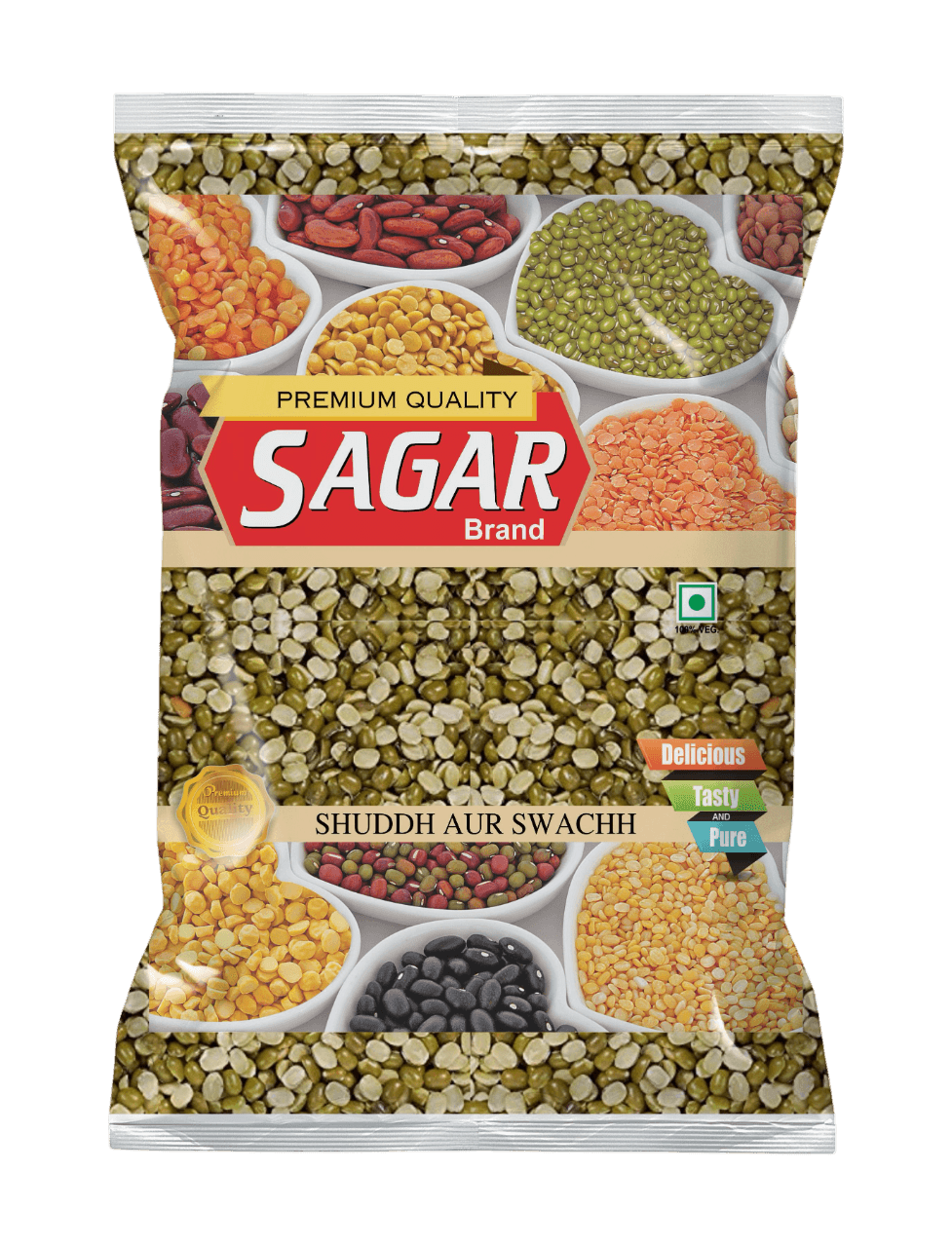
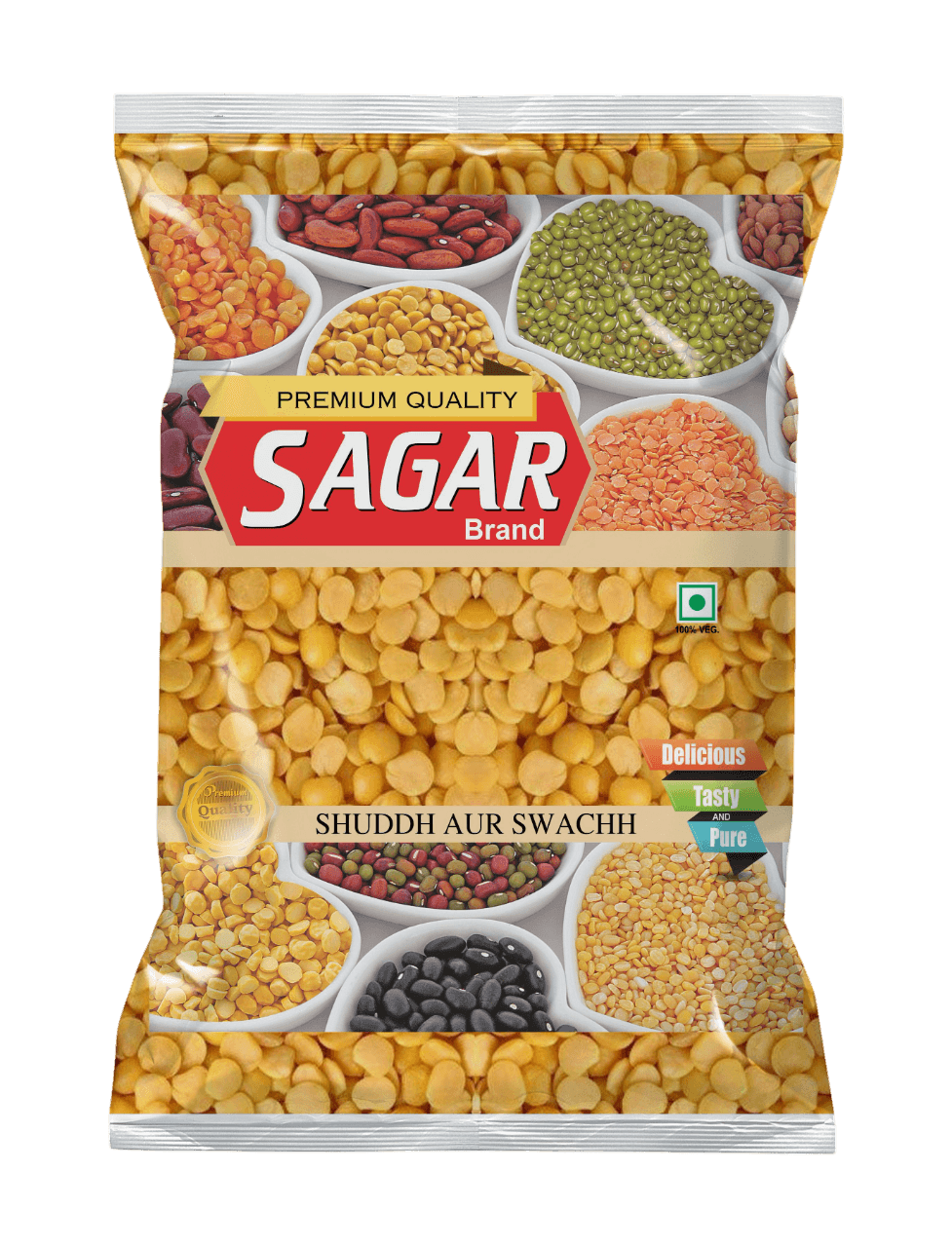
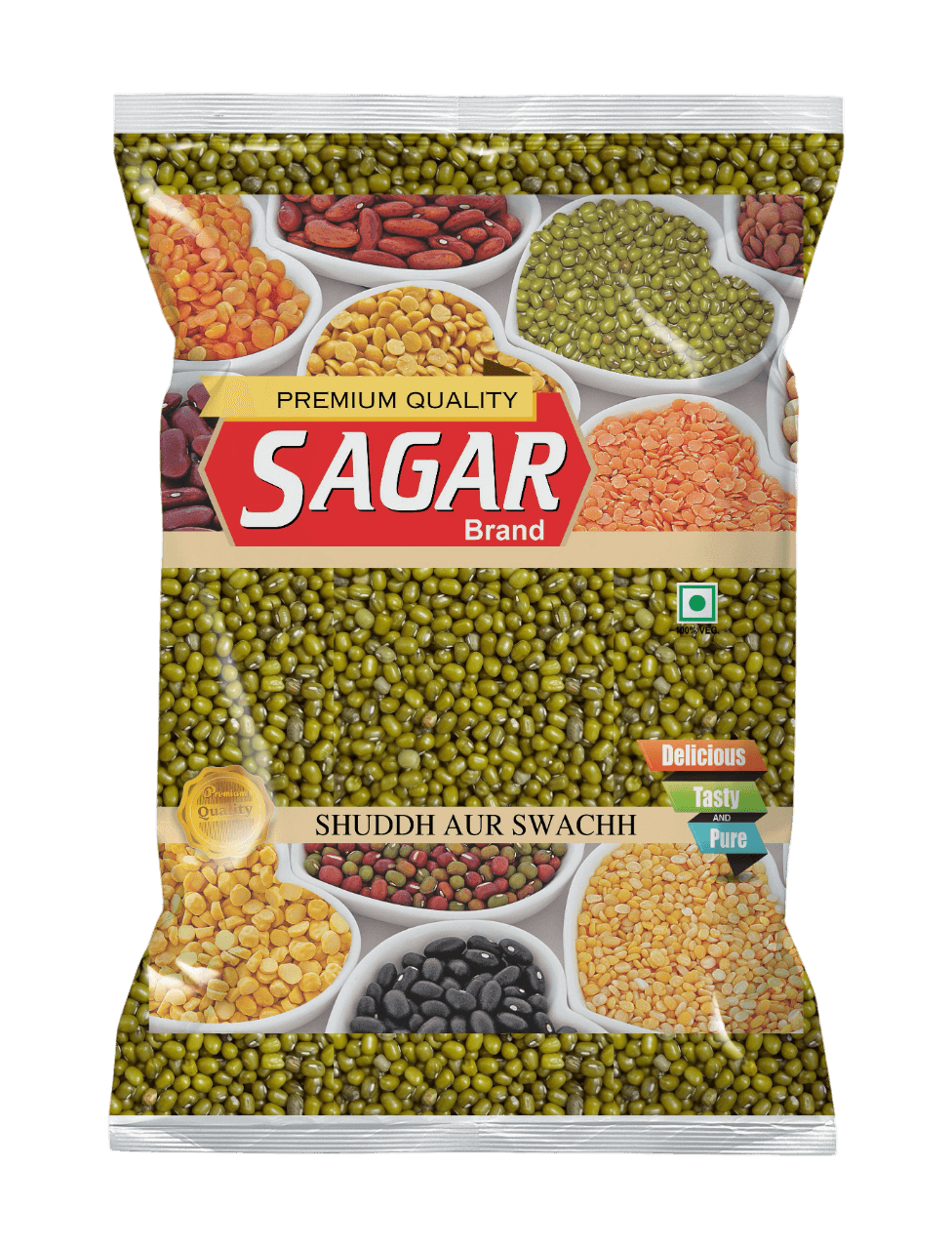
If you are wondering how to make moong dal halwa at home, the recipe is simple and healthy. First, sagar moong dal is soaked for a few hours and ground into a coarse paste. Heat Giramritphal Pure Desi Ghee in a heavy bottomed pan and patiently fry the moong dal paste until golden brown and rich in aroma.
Add milk and cook the mixture thoroughly until it becomes soft and smooth. Next, mix in sugar and continue stirring until the halwa reaches a rich, glossy consistency. Enhance the flavor with cardamom powder and garnish generously with almonds and cashews.
Using premium-quality Sagar Moong Dal along with Giramritphal Pure Desi Ghee helps create an authentic moong dal halwa with rich taste, perfect texture, and traditional homemade goodness that everyone will enjoy.
Why Choose Quality Moong Dal for Halwa?
The taste and nutrition of moong dal halwa depend greatly on the quality of moong dal used. At Sagar Brand, we provide premium quality pulses that are hygienically processed and carefully packed to maintain freshness and purity.
High quality moong dal ensures better taste, texture, and nutritional value in every serving.
Conclusion
Moong Dal Halwa is one of India’s most loved traditional desserts, offering the perfect balance of rich flavor and nutritional value. The average calorie content per 100g of moong dal halwa usually ranges from 350 to 450 calories, depending on the ingredients used.
Along with energy, it provides protein, healthy fats, and essential nutrients from moong dal, milk, dry fruits, and ghee. To achieve the best flavor and texture, use premium quality Sagar Moong Dal and pure Giramritphal Desi Ghee.
At Sagar Brand, we are committed to providing high-quality pulses and food products that ensure purity, freshness, and consistent quality, making every homemade recipe more delicious and nutritious.
FAQ’s
1. How many calories are there in moong dal halwa per 100g?
Moong dal halwa calories per 100g typically range between 350 and 450 calories, depending on the amount of ghee, sugar, and dry fruits used.
2. Is moong dal halwa healthy to eat?
Yes, moong dal halwa provides protein, healthy fats, and energy. It can be enjoyed in moderation as part of a balanced diet.
3. What are the calories in moong dal halwa made with desi ghee?
Moong dal halwa prepared with pure desi ghee generally contains around 400–450 calories per 100g.
4. How to cook moong dal halwa at home?
Soak moong dal, grind it, roast in ghee, add milk and sugar, then cook until thick and garnish with dry fruits.
5. Which moong dal is best for making moong dal halwa?
Premium-quality yellow moong dal, such as Sagar Moong Dal, is ideal for achieving authentic taste and texture.
6. What are the main ingredients in a traditional moong dal halwa recipe?
The recipe typically includes moong dal, desi ghee, milk, sugar, cardamom, almonds, and cashews.
7. Can I reduce the calories in moong dal halwa?
Yes, you can lower calories by reducing sugar and ghee or using smaller portions while maintaining flavor.
8. How much protein does moong dal halwa contain?
Moong dal halwa contains a moderate amount of protein from moong dal, making it more nutritious than many traditional sweets.
9. Is moong dal halwa suitable for festivals and special occasions?
Yes, moong dal halwa is a popular Indian dessert served during festivals, weddings, and family celebrations.
10. Why is desi ghee important in moong dal halwa recipes?
Desi ghee gives moong dal halwa its rich aroma, smooth texture, and authentic traditional flavor. Using pure Giramritphal Desi Ghee enhances the overall taste.