Khichdi is one of the simplest and most comforting dishes in Indian cooking. Made with rice, dal, water, and a few everyday spices, it can be prepared for a light lunch, a filling dinner, or a meal when you want something easy to digest. But the taste and texture of khichdi depend largely on the type of dal you choose.
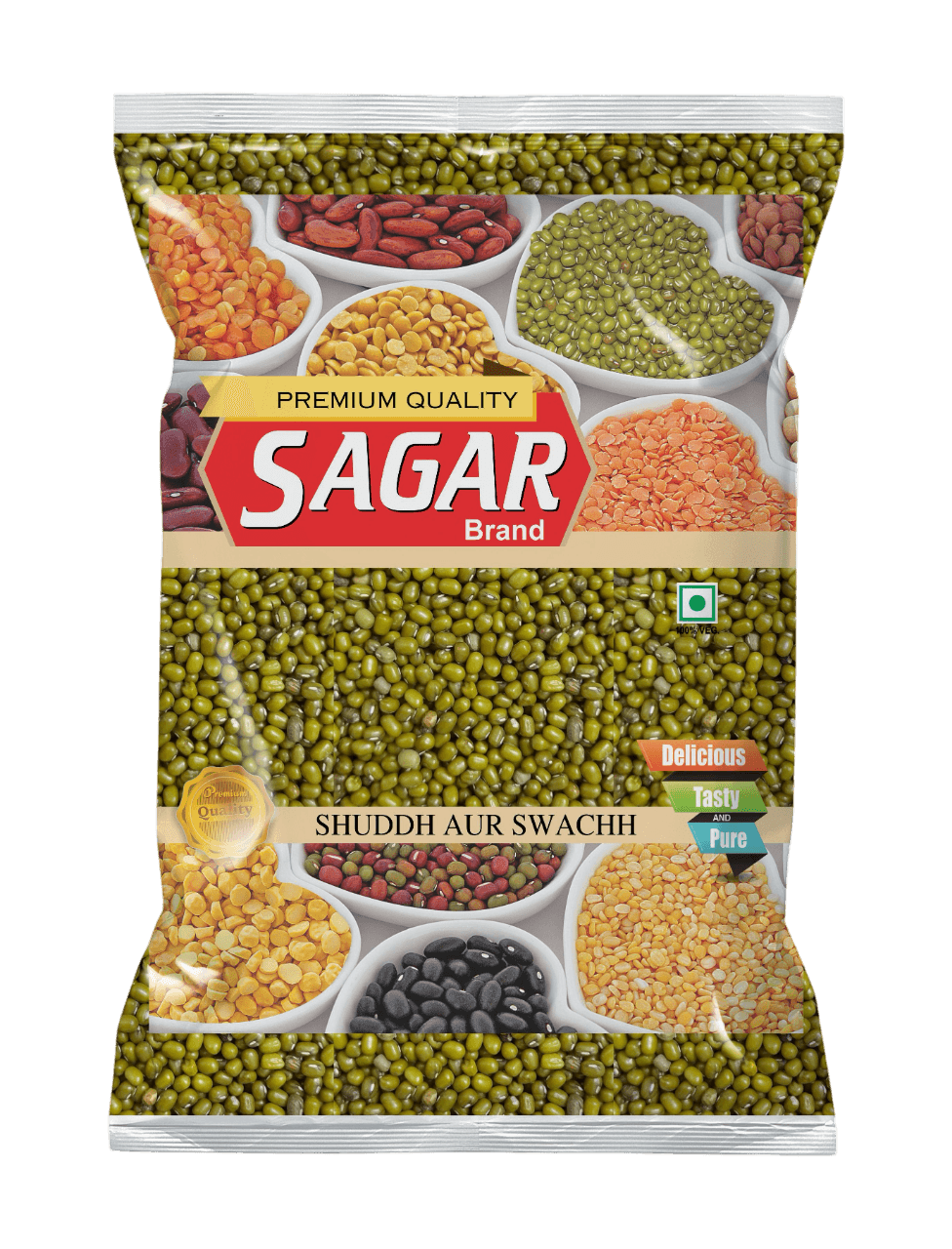
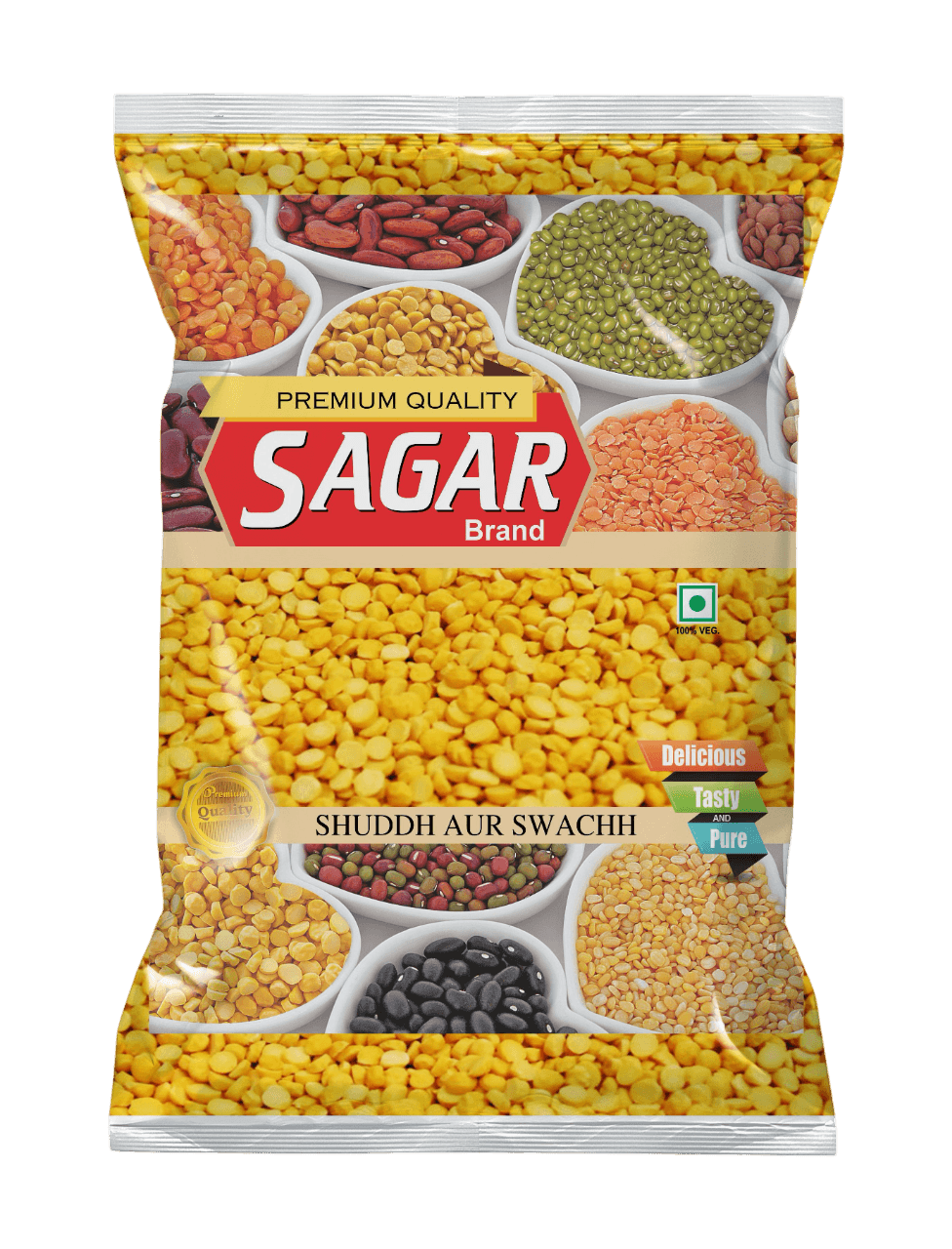
Moong dal is the most commonly used dal for khichdi, especially yellow split moong dal. It cooks quickly, has a mild flavour, and blends well with rice to create a soft, comforting texture.
However, moong dal is not your only option. Toor dal, masoor dal, and other pulses can also be used, depending on the recipe and your taste.
In this guide, we’ll explore which dal works best for khichdi, how different varieties affect the final dish, and how to choose quality pulses for everyday cooking.
Which Dal Is Best for Khichdi?
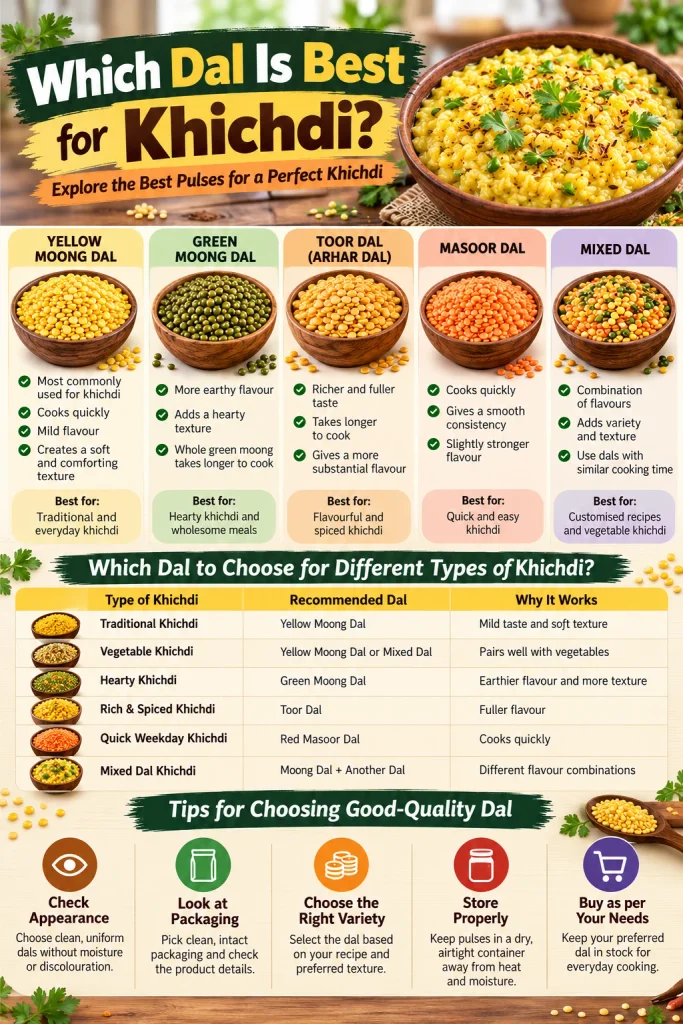
Yellow split moong dal is generally the best choice for traditional, everyday khichdi. It requires relatively little cooking time and develops a soft consistency when cooked with rice. Its mild taste also allows ingredients such as cumin, turmeric, ginger, ghee, and vegetables to stand out.
The choice of dal can also depend on how you like your khichdi. If you prefer a creamy consistency, yellow moong dal is an excellent option because it softens easily during cooking. For a heartier meal, you can try green moong dal or combine two varieties to create a more distinctive flavour.
Another factor to consider is cooking time. Split dals usually cook faster than whole pulses, making them convenient for everyday meals. Choose a variety that suits your recipe, adjust the water according to the texture you want, and cook the dal and rice until both become tender.
The best dal can vary depending on the kind of khichdi you want to prepare.
- Yellow moong dal: Ideal for soft, light, everyday khichdi.
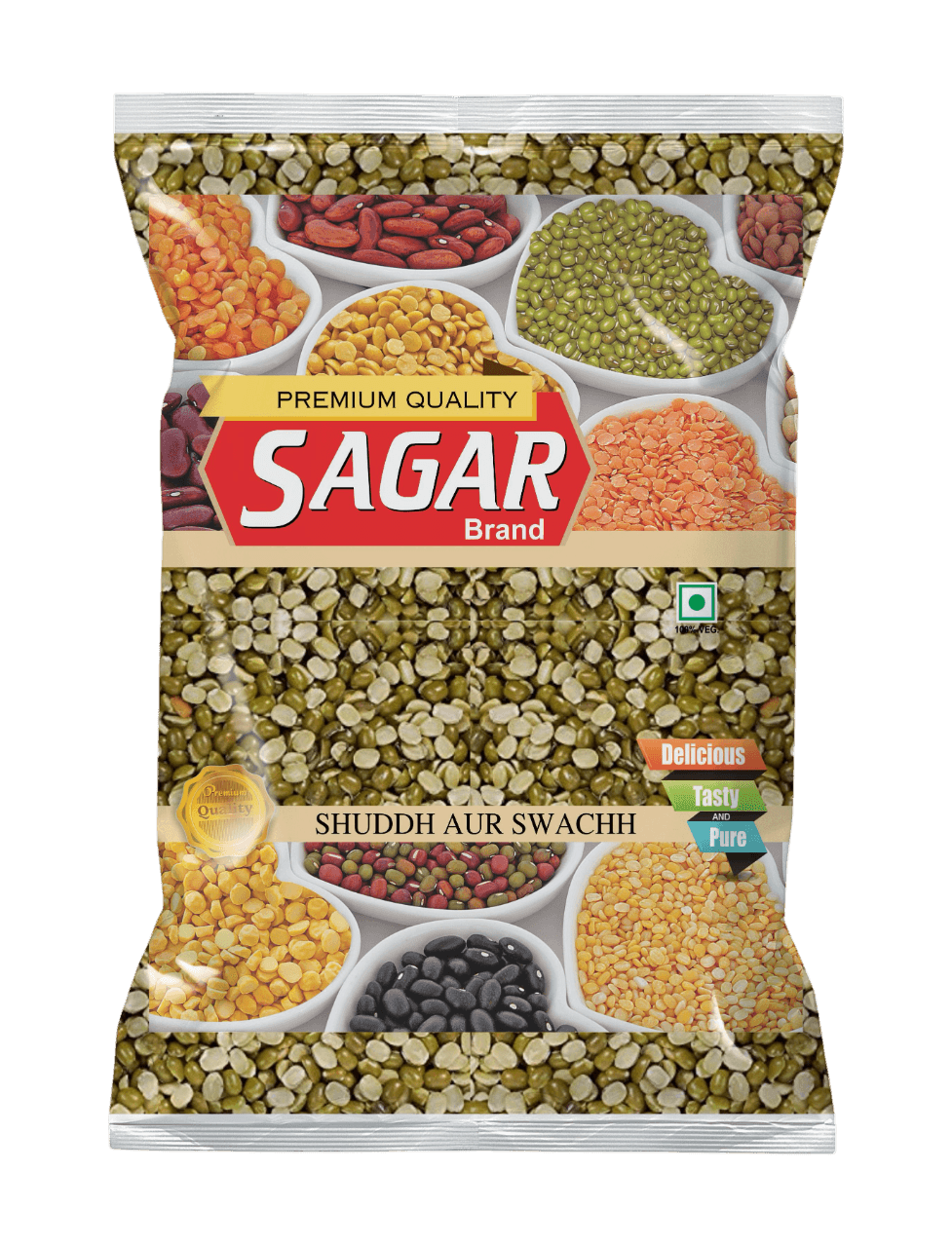
- Green split moong dal: Suitable for a more earthy flavour and a slightly different texture.
- Toor dal: Adds a fuller, slightly richer taste.
- Masoor dal: Cooks relatively quickly and gives khichdi a soft consistency.
- Mixed dals: Useful when you want a combination of flavours and textures.
For a simple home-style recipe, start with yellow moong dal and rice in roughly equal quantities. You can adjust the ratio depending on whether you prefer a thicker, dal-rich khichdi or a rice-forward version.
1. Yellow Moong Dal for Soft and Comforting Khichdi
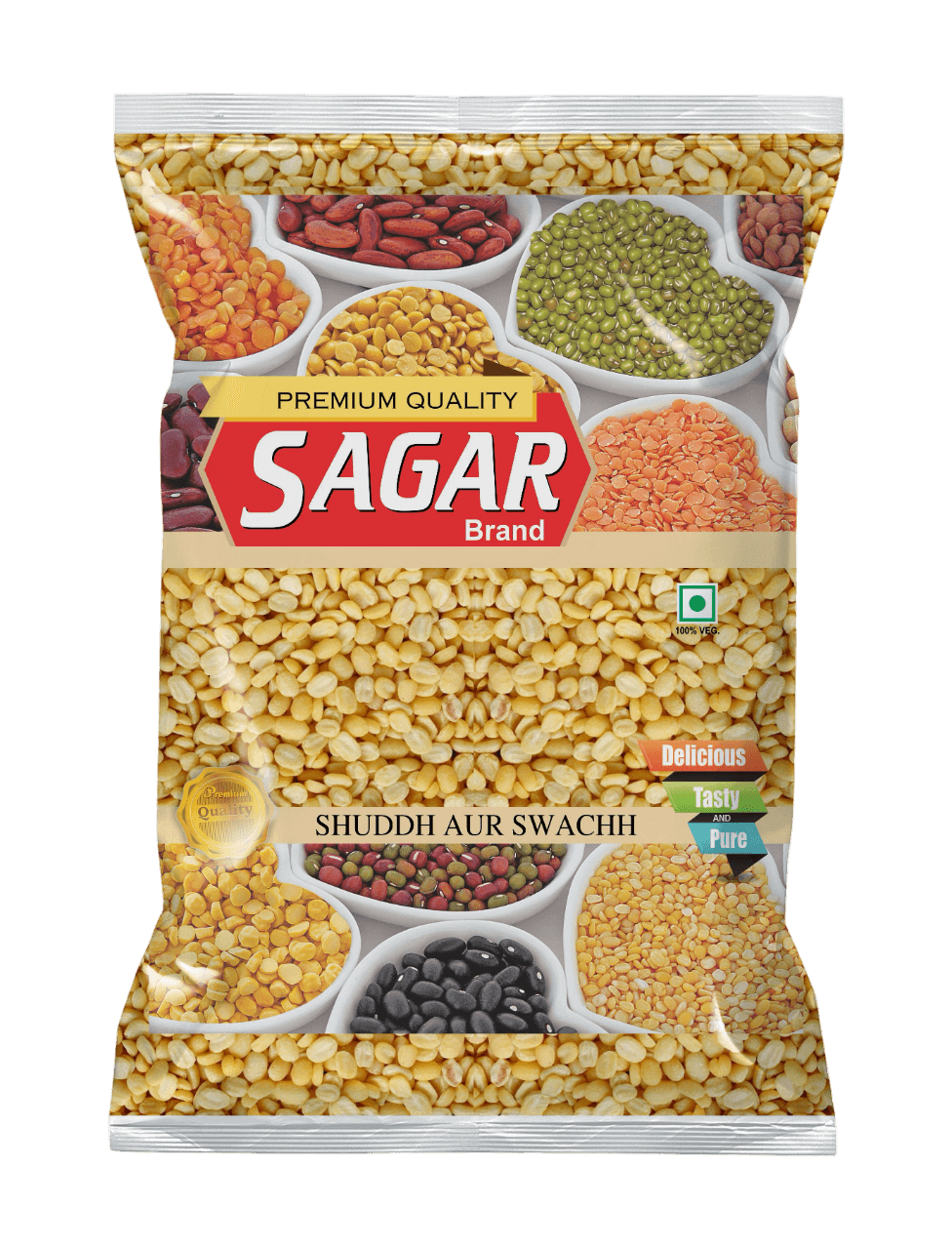
Yellow moong dal is a popular choice because it cooks quickly and has a delicate flavour. When simmered with rice, it softens easily and creates the familiar texture associated with traditional khichdi.
This dal works particularly well for everyday meals. You can cook it with turmeric, cumin, salt, and a little ghee, or add vegetables such as carrots, peas, and bottle gourd for extra variety.
Best for: Traditional khichdi, simple home-style meals, and vegetable khichdi.
Cooking tip: Rinse the dal and rice thoroughly before cooking. Soaking them for around 15–20 minutes can help them cook more evenly, although the required time depends on the recipe and cooking method.
2. Green Moong Dal for a More Earthy Flavour
Green moong dal offers a more pronounced, earthy taste than yellow split moong dal. Depending on whether you use whole green moong or split green moong, the cooking time and final texture will differ.
Whole green moong generally needs more cooking time and may require soaking. It produces a heartier khichdi with more texture, making it a good option when you want a change from the usual soft version.
Best for: Hearty khichdi, wholesome one-pot meals, and recipes with vegetables.
Cooking tip: Soak whole green moong before cooking and allow enough time for it to become tender. If you prefer a softer result, adjust the water and cooking time as needed.
3. Toor Dal for Richer-Tasting Khichdi
Toor dal, also known as arhar dal, is commonly used in Indian dals and rice-based dishes. It has a fuller flavour than yellow moong dal and can give khichdi a more substantial taste.
Toor dal usually takes longer to soften than split yellow moong dal, so it may need additional cooking time. If you are using a pressure cooker, follow the instructions for your recipe and check that both the rice and dal are fully cooked.
Best for: Flavourful khichdi, spiced variations, and meals served with pickle or curd.
Cooking tip: A tempering of cumin, asafoetida, ginger, and ghee can complement the flavour of toor dal without making the dish complicated.
4. Masoor Dal for Quick and Easy Khichdi
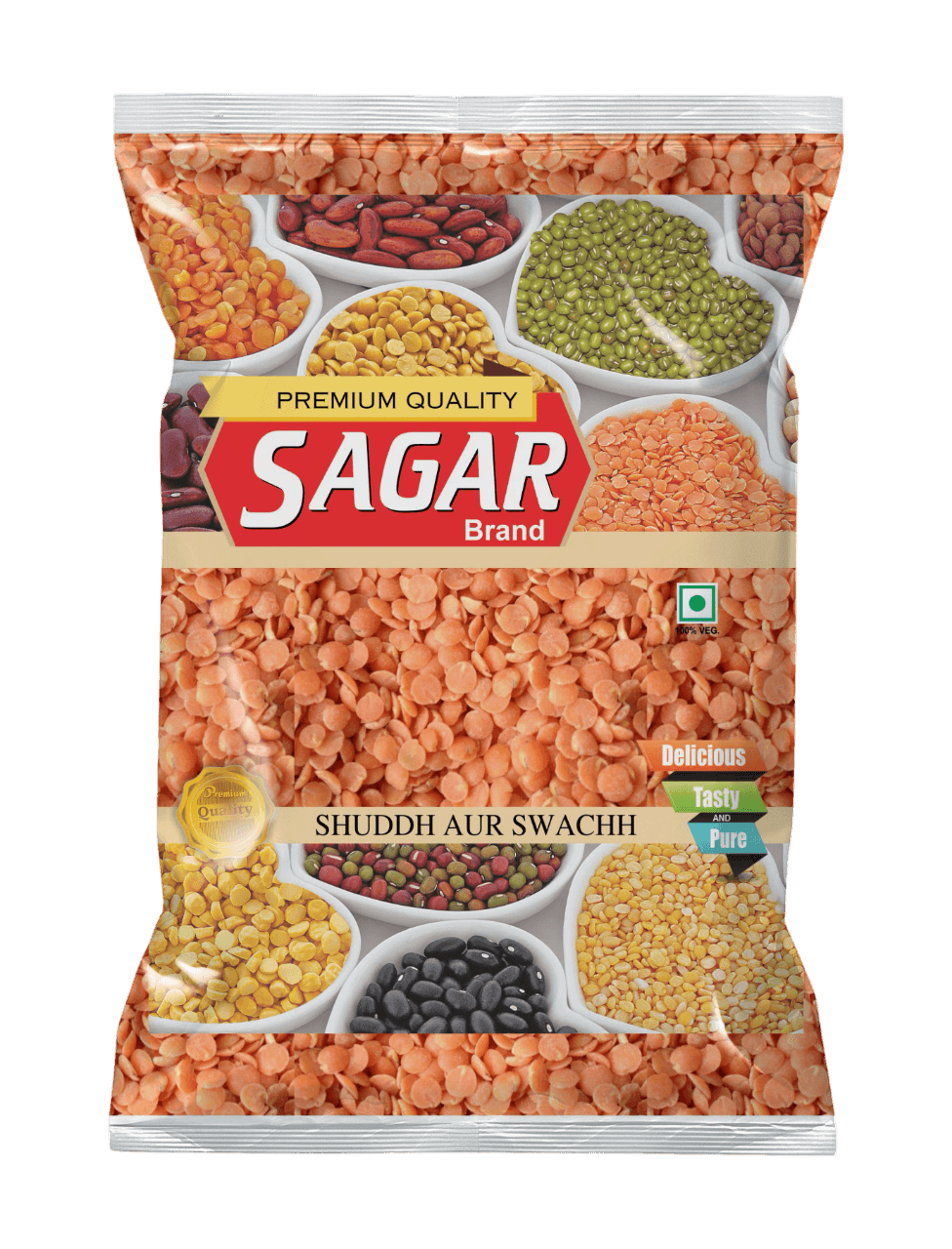
Masoor dal is another useful option, particularly when you want a simple meal without a long preparation process. Red split masoor dal cooks relatively quickly and softens well, giving khichdi a smooth consistency.
Its flavour is slightly different from moong dal, so the finished dish may taste richer or more pronounced. Masoor dal pairs well with turmeric, cumin, garlic, and mild spices.
Best for: Quick weekday meals, soft khichdi, and simple one-pot recipes.
Cooking tip: Rinse masoor dal before cooking and check its texture as it softens. Red split masoor generally cooks faster than whole pulses, so avoid adding excessive cooking time.
5. Mixed Dal for a Different Khichdi Recipe
You can also combine two or more dals to create a khichdi with a different flavour and texture. For example, a mixture of yellow moong dal and a smaller quantity of toor dal can add variety without making the recipe too complicated.
Mixed-dal khichdi is useful when you want to experiment with ingredients already available in your kitchen. However, different pulses may require different cooking times, so choose combinations that soften at a similar rate or prepare the longer-cooking dal in advance.
Best for: Customised family recipes, vegetable khichdi, and flavour variations.
Cooking tip: Start with a simple combination of yellow moong dal and masoor dal. Once you understand how they cook together, experiment with other varieties.
Which Dal Should You Choose for Different Types of Khichdi?
The right choice depends on your preferred taste, texture, and available cooking time.
| Type of khichdi | Recommended dal | Why it works |
| Traditional home-style khichdi | Yellow moong dal | Mild taste and soft texture |
| Vegetable khichdi | Yellow moong dal or mixed dal | Pairs well with vegetables |
| Hearty khichdi | Green moong dal | Earthier flavour and more texture |
| Rich, spiced khichdi | Toor dal | Fuller flavour |
| Quick weekday khichdi | Red split masoor dal | Relatively quick cooking |
| Mixed-pulse khichdi | Moong dal with another suitable dal | Allows different flavour combinations |
These are practical recommendations rather than strict rules. You can adapt the recipe according to your preferences and the pulses available at home.
How Much Dal and Rice Should You Use?
For a balanced, everyday khichdi, a useful starting point is:
- ½ cup rice
- ½ cup yellow moong dal
- Around 3–4 cups water, adjusted for the consistency you prefer
- ¼ teaspoon turmeric, or to taste
- Salt to taste
- Cumin and ghee for tempering, if desired
Wash the rice and dal, then cook them with water, turmeric, and salt until soft. Add more water if you prefer a thinner consistency. Finish with a simple cumin tempering in ghee for extra flavour.
The exact water quantity and cooking time depend on the rice variety, the dal, the cooking vessel, and your preferred texture. Always follow your pressure cooker’s instructions and make sure the ingredients are thoroughly cooked.
Tips for Choosing Good-Quality Dal for Khichdi
The quality of your dal affects the cooking process and the finished dish. Keep these points in mind when buying pulses:
Check the appearance
Choose dal that looks reasonably uniform for its variety, without visible mould, moisture, or unusual discolouration.
Look at the packaging
Prefer clean, intact packaging that protects the pulses from moisture and contamination. Check the product details and any best-before information.
Choose the right variety
Yellow moong dal is a convenient starting point for everyday khichdi. Choose whole or split varieties according to the texture and cooking time you prefer.
Store dal properly
Keep pulses in a clean, dry, airtight container away from heat and moisture. Follow the storage instructions on the package.
Buy according to your cooking needs
If you prepare khichdi frequently, keep your preferred dal in your regular pantry stock. For occasional recipes, buy a quantity that you can store properly and use while it remains in good condition.
Choose Quality Pulses for Everyday Cooking with Sagar Brand
At Sagar Brand, everyday cooking starts with choosing suitable pantry staples for your favourite recipes. Whether you are preparing simple moong dal khichdi, a vegetable-filled one-pot meal, or another traditional Indian dish, selecting the right pulse can make meal preparation easier.
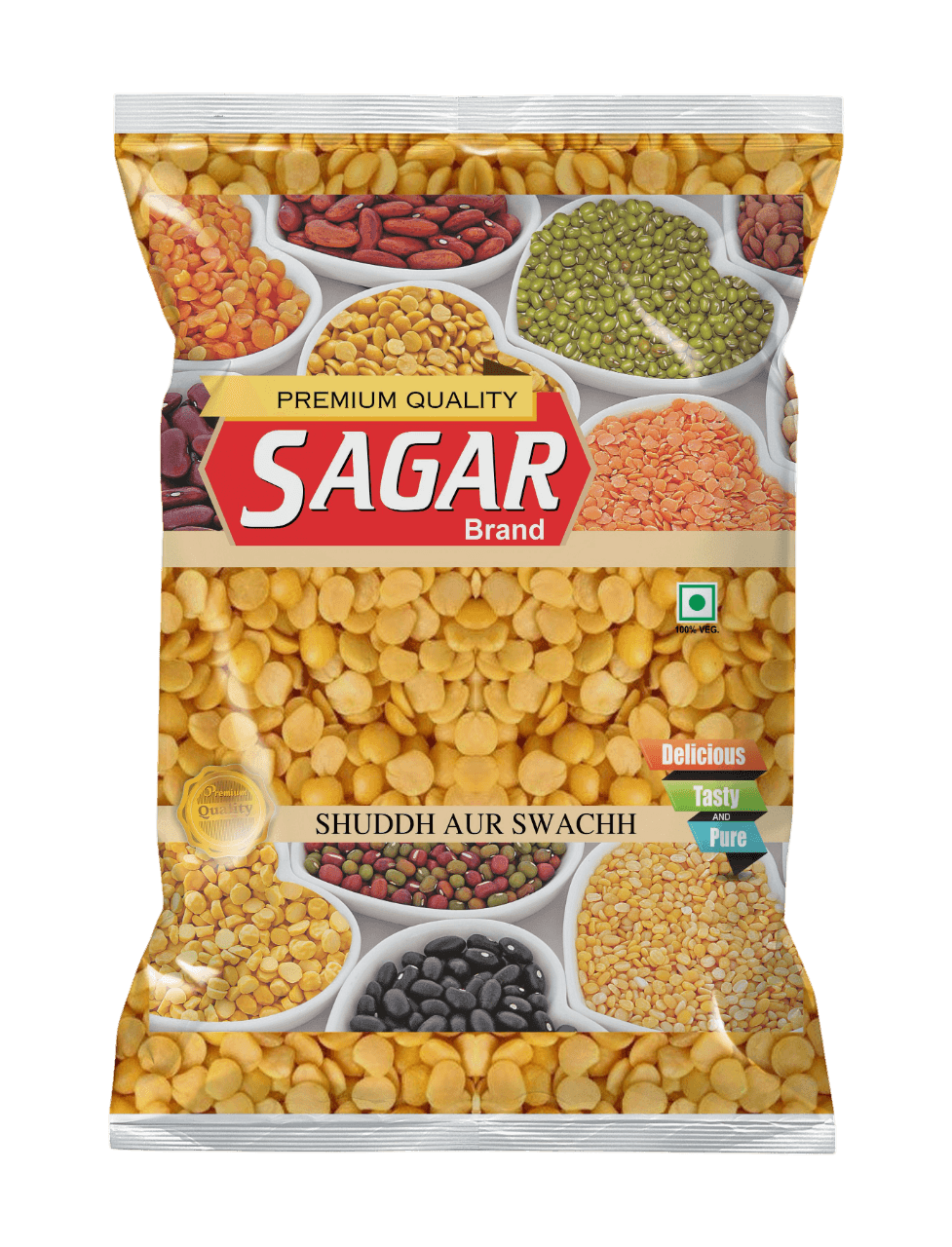
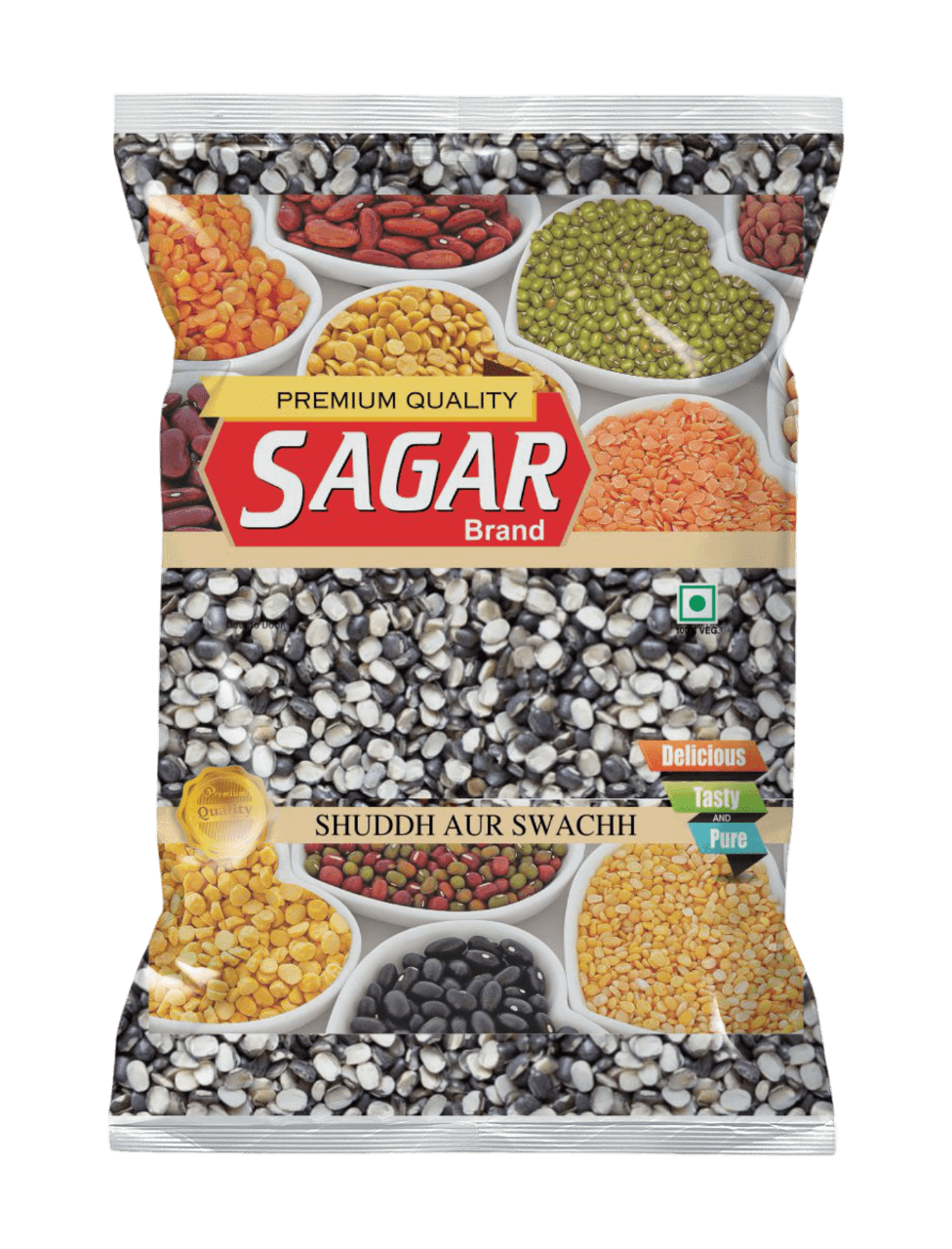
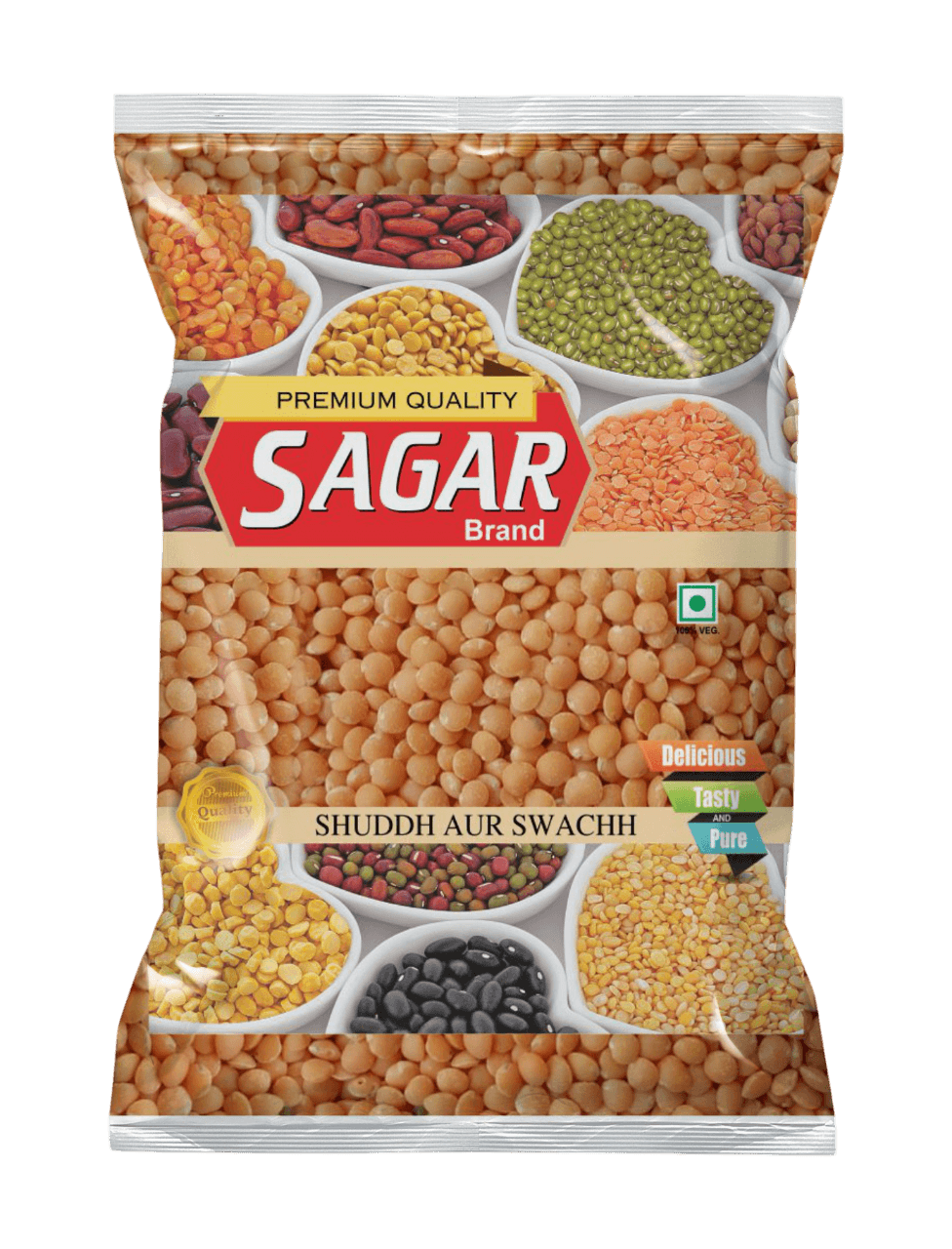
Sagar Brand offers a range of grocery products, including different varieties of pulses and dals for everyday kitchen needs. Yellow moong dal is a practical choice for classic khichdi, while other varieties can help you explore different recipes and flavours.
When choosing pulses, check the product description, packaging, and storage instructions to find the variety that suits your cooking requirements. Store your dal in a cool, dry place after opening to help maintain its quality.
Explore the available products on the Sagar Brand website and choose suitable pantry staples for your everyday meals.
Conclusion
Yellow split moong dal is generally the best dal for traditional khichdi because it cooks quickly, has a mild flavour, and blends easily with rice. However, green moong dal, toor dal, masoor dal, and mixed pulses can also work well when you want a different taste or texture.
For your first batch, use equal quantities of rice and yellow moong dal, then adjust the water and spices to suit your preferences.
With the right ingredients and a little experimentation, you can make khichdi that fits your family’s tastes and everyday cooking routine.
FAQs
1. Which dal is best for khichdi?
Yellow split moong dal is a popular choice because it cooks relatively quickly, has a mild taste, and creates a soft texture when cooked with rice.
2. Can I make khichdi with toor dal?
Yes. Toor dal gives khichdi a fuller flavour. It may need more cooking time than yellow moong dal, so make sure it becomes tender.
3. Can I use masoor dal for khichdi?
Yes. Red split masoor dal works well for quick, soft khichdi. Its flavour is slightly different from moong dal, but it pairs well with rice and mild spices.
4. Is yellow moong dal better than green moong dal for khichdi?
Yellow moong dal is generally better for a soft, traditional khichdi. Green moong dal provides a more earthy flavour and a heartier texture, particularly when used whole.
5. What is the ideal ratio of dal and rice for khichdi?
Equal quantities of dal and rice are a good starting point. You can increase the dal for a more pulse-rich dish or adjust the ratio to match your preferred taste and texture.
6. Should I soak dal before making khichdi?
Soaking is not always necessary for split yellow moong dal, but a short soak can help it cook evenly. Whole green moong and other longer-cooking pulses generally benefit from soaking.
7. Which dal cooks fastest for khichdi?
Red split masoor dal and split yellow moong dal both cook relatively quickly. Actual cooking time depends on the age of the pulses, soaking, and cooking method.
8. Can I add vegetables to dal khichdi?
Yes. Carrots, peas, bottle gourd, beans, and other suitable vegetables can be added. Cut them into similar-sized pieces so they cook evenly.
9. How can I make khichdi more flavourful?
Use a simple tempering of cumin, ginger, asafoetida, and ghee. You can also add turmeric, black pepper, or vegetables according to your taste.
10. How should I store dal for khichdi?
Store dry dal in a clean, airtight container in a cool, dry place. Keep it away from moisture and check the packaging for storage guidance. Refrigerate cooked khichdi promptly in a covered container and reheat it thoroughly before eating.