Running a restaurant is not only about creating delicious recipes. The quality of the ingredients you use has a direct impact on taste, consistency, food cost, and customer satisfaction.
Pulses are especially important in Indian kitchens because they form the base of many popular dishes, from dal tadka and dal fry to rajma, chole, khichdi, and a variety of regional recipes.
For restaurants, buying pulses is different from buying them for a home kitchen. Commercial kitchens need products that offer consistent quality, reliable availability, good cooking performance, and value for money.
If you are looking for the best pulses for restaurants, this guide explains which varieties work well for different dishes and what you should consider before choosing a pulses supplier.
Why Quality Pulses Matter in Restaurants
A restaurant may prepare the same dish dozens or even hundreds of times a week. Even a small difference in the quality of the raw ingredients can affect the final result.
Good-quality pulses can help restaurants achieve:
- Consistent taste and texture
- More uniform cooking
- Better presentation
- Reliable portion control
- Less sorting and cleaning
- Reduced food waste
- Better customer satisfaction
For a commercial kitchen, consistency is particularly important. Customers expect their favorite dish to taste the same every time they visit.
Best Pulses for Restaurants
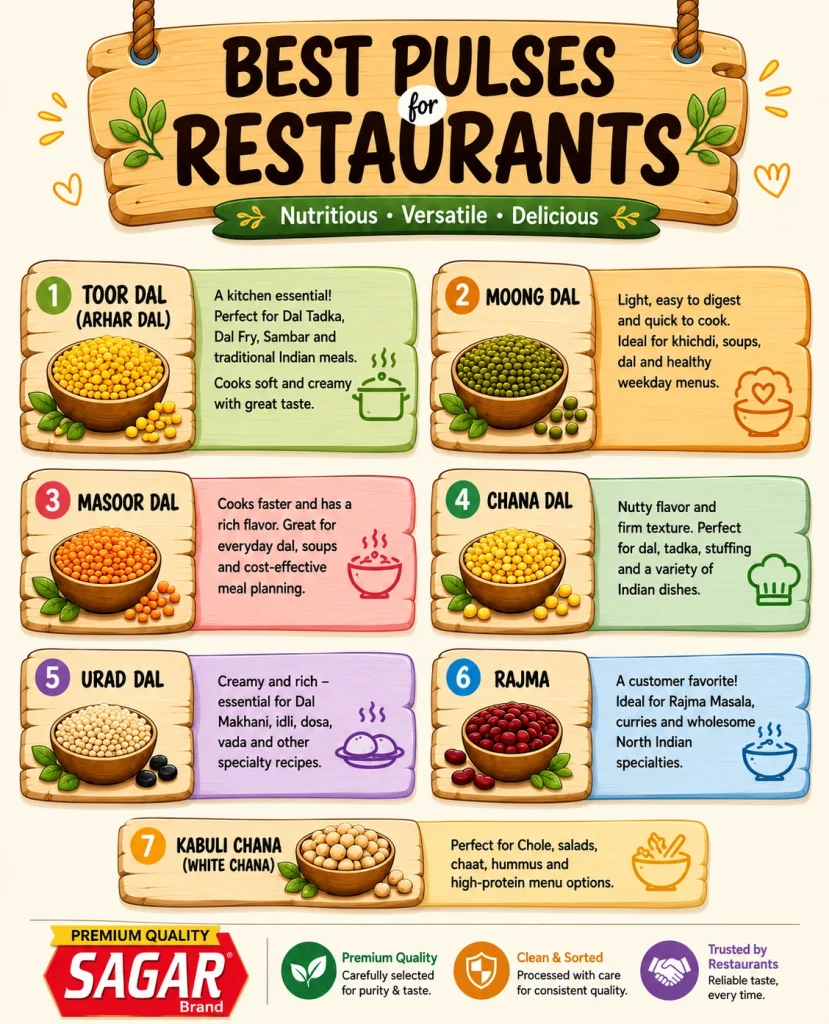
Different pulses serve different culinary purposes. Instead of choosing one variety for everything, restaurants should select pulses according to their menu and cooking requirements.
1. Toor Dal – A Staple for Indian Restaurants
Toor Dal, also known as Arhar Dal, is one of the most commonly used pulses in Indian cooking. Its balanced flavor and creamy texture make it suitable for everyday restaurant dishes.
Restaurants can use Toor Dal for:
- Dal Tadka
- Dal Fry
- Gujarati Dal
- South Indian sambar
- Dal with rice
- Traditional thali meals
For restaurants serving North Indian, South Indian, or multi-cuisine Indian food, Toor Dal can be an important pantry staple.
2. Moong Dal – Light and Versatile
Moong Dal is popular because it cooks relatively easily and works well in both simple and specialty dishes. Its mild flavor also allows it to blend naturally with different spices and ingredients.
It can be used for:
- Moong Dal
- Khichdi
- Dal soups
- Light meals
- Breakfast preparations
- Mixed dal recipes
Restaurants, cafes, and hotels offering healthy or light meal options can also include Moong Dal-based dishes on their menus.
3. Masoor Dal – Quick and Convenient
Masoor Dal is another practical option for busy commercial kitchens. It is commonly used in everyday Indian meals and can be prepared in different ways depending on the restaurant’s style.
Popular uses include:
- Masoor Dal
- Dal Fry
- Soups
- Mixed dal
- Homestyle thali meals
Its versatility makes it useful for restaurants that need a pulse that can work across multiple menu items.
4. Chana Dal – Great for Traditional Recipes
Chana Dal has a firm texture and rich flavor that works particularly well in traditional Indian recipes. It is also useful beyond regular dal preparations.
Restaurants can use Chana Dal for:
- Chana Dal Tadka
- Dal Fry
- Dal-based snacks
- Stuffing
- Curries
- Traditional regional dishes
It is a useful choice for restaurants that focus on authentic Indian cuisine.
5. Urad Dal – Ideal for Rich and Specialty Dishes
Urad Dal has an important place in both North and South Indian cuisine. It is commonly used in dishes that require a richer texture or fermentation.
Restaurant applications include:
- Dal Makhani
- Idli
- Dosa
- Medu Vada
- Papad
- Mixed dal preparations
Restaurants serving Punjabi food or South Indian cuisine may require Urad Dal regularly, making quality and consistent supply particularly important.
6. Rajma – A Popular Restaurant Favorite
Rajma is a must-have for many North Indian restaurants. Rajma Masala with rice is a familiar comfort food and a popular choice on restaurant menus.
Restaurants should look for Rajma that offers:
- Good grain size
- Consistent quality
- Proper storage
- Reliable cooking performance
- Clean and well-sorted grains
The right quality of Rajma can make a noticeable difference in the texture and appearance of the finished curry.
7. Kabuli Chana – Perfect for Chole and More
Kabuli Chana is widely used in Indian restaurants, especially for Chole, salads, snacks, and other chickpea-based dishes.
It can be used for:
- Chole
- Chana salads
- Chaat
- Curries
- Hummus
- Snacks
For restaurants serving North Indian food, Punjabi cuisine, or casual dining menus, Kabuli Chana can be a valuable addition to the bulk pantry.
How to Choose Pulses for a Commercial Kitchen
Buying pulses in bulk requires more than simply comparing prices. A cheaper product may not always provide better value if it requires additional sorting, produces inconsistent cooking results, or creates unnecessary waste.
Consider these factors before placing a bulk order.
Quality and Cleanliness
Look for pulses that are properly sorted and free from excessive dust, stones, damaged grains, and unwanted particles. Cleaner products can reduce preparation time in busy kitchens.
Uniform Grain Size
Uniform grains generally provide more consistent cooking. This is particularly useful when restaurants need to prepare large batches for multiple customers.
Freshness
Fresh pulses should have their natural appearance, smell, and texture. Avoid products that show signs of moisture, insect activity, or poor storage.
Packaging
Commercial buyers should pay attention to packaging quality. Properly packed pulses are easier to transport, store, and manage in a busy kitchen.
Consistent Supply
A restaurant cannot afford frequent interruptions in its ingredient supply. Choose a supplier that can maintain regular availability according to your purchasing schedule.
Product Variety
Working with a supplier that offers multiple pulse varieties can simplify procurement. Instead of sourcing each product from a different vendor, restaurants can manage more of their requirements through one reliable supply partner.
Why Restaurants Should Buy Pulses in Bulk
Bulk purchasing can be practical for restaurants with steady consumption. It can help streamline purchasing and ensure that essential ingredients are available when needed.
However, restaurants should not order more than they can store properly. Overstocking can increase the risk of moisture exposure, pest problems, and unnecessary inventory costs.
A better approach is to estimate monthly consumption and maintain stock according to actual usage.
How the Right Pulses Can Improve Restaurant Operations
The right pulses can make daily kitchen operations more efficient. When grains are clean, uniform, and consistent, kitchen staff can spend less time sorting ingredients and more time preparing food.
Consistent raw materials can also help chefs maintain the same recipe standards across different batches. This matters when a restaurant has multiple cooks, branches, or a high volume of daily orders.
For restaurants, ingredient quality is not just a food issue. It is also an operational issue.
Why Choose a Reliable Pulses Supplier?
A dependable supplier should provide more than a product catalogue. Restaurants need a supply partner that understands commercial requirements and can deliver consistent quality.
Before choosing a supplier, ask about:
- Product range
- Quality standards
- Packaging options
- Bulk availability
- Order quantities
- Delivery schedules
- Storage recommendations
- Customer support
Building a long-term relationship with a reliable supplier can make procurement simpler and more predictable.
Sagar Brand: Pulses for Restaurant and Food Businesses
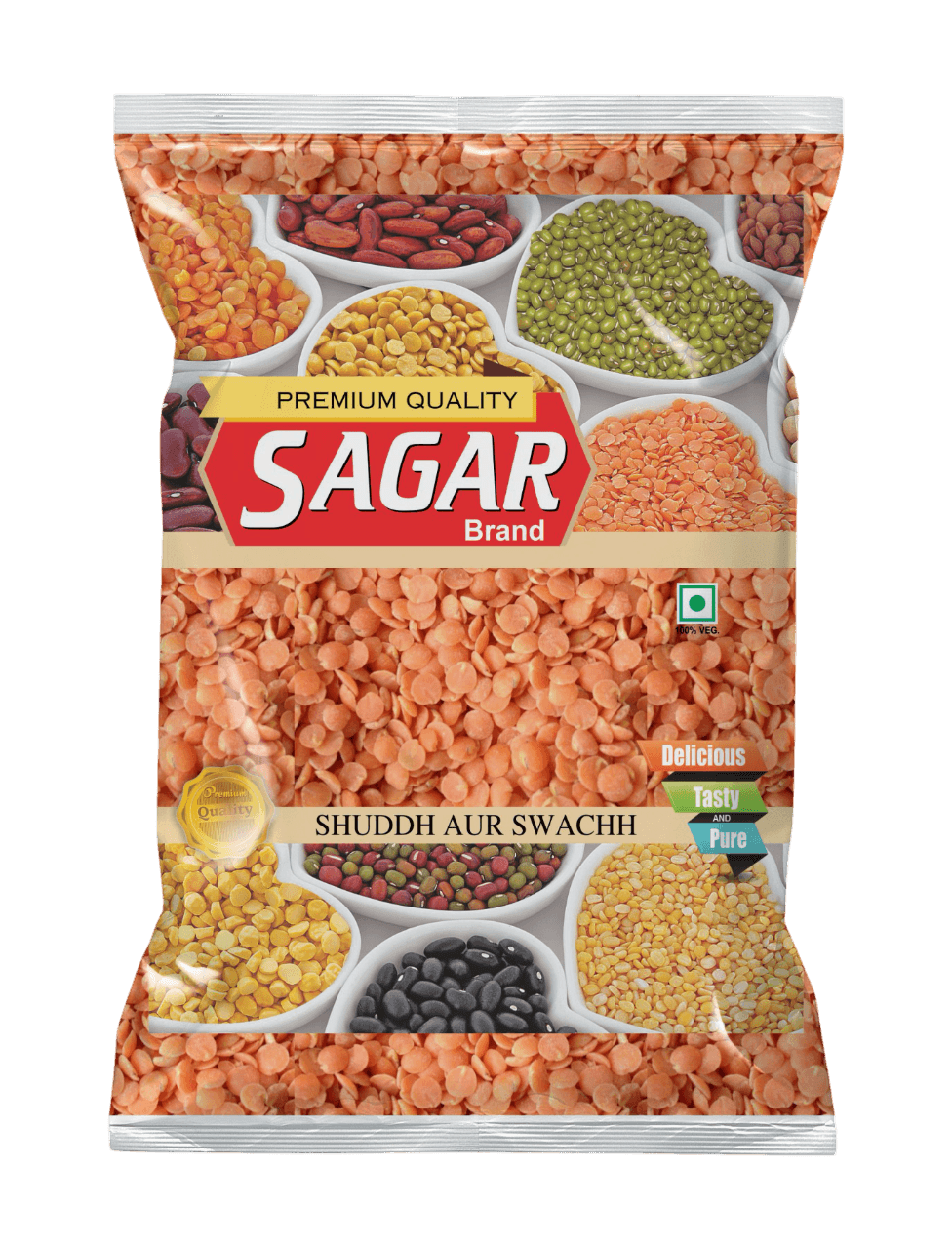
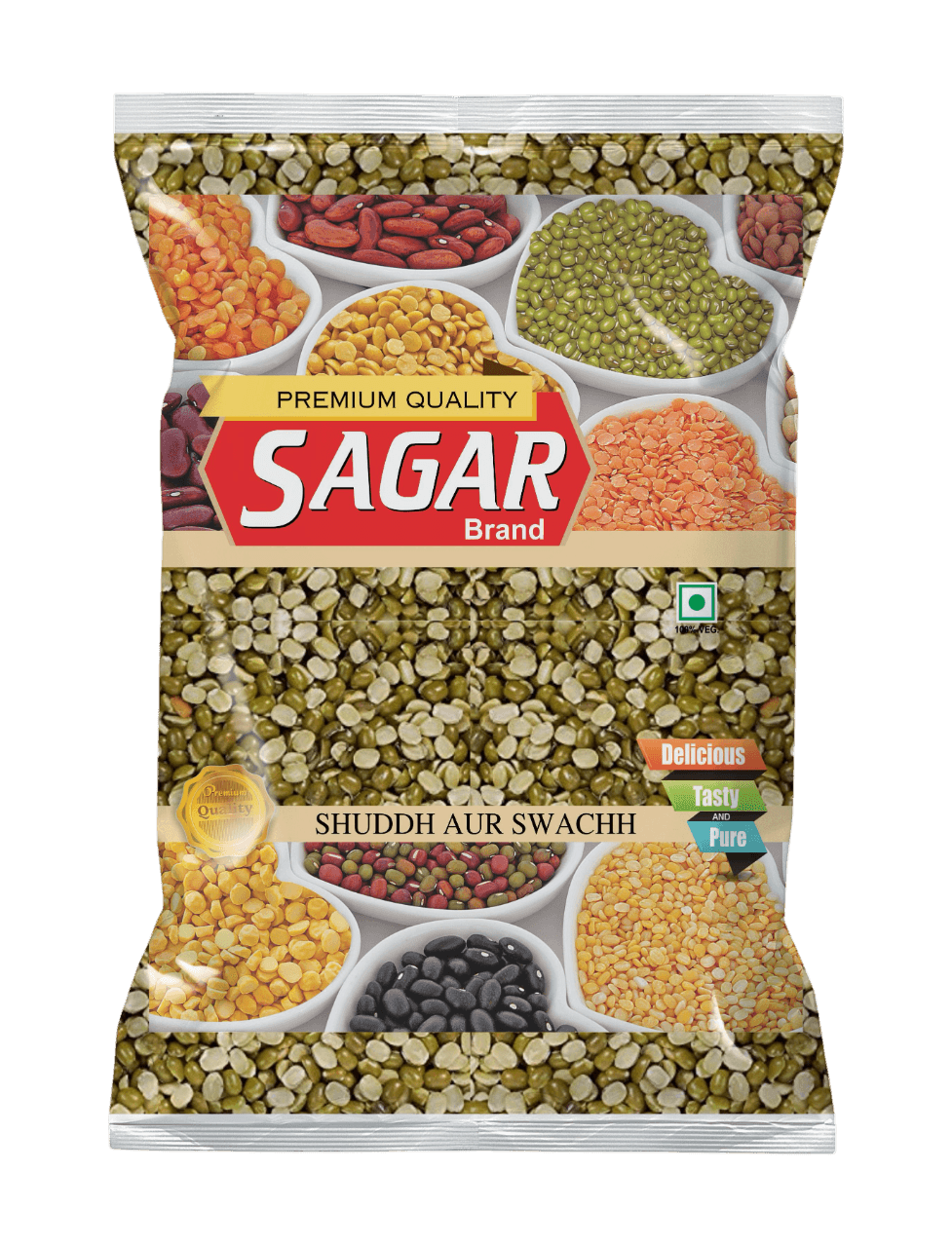
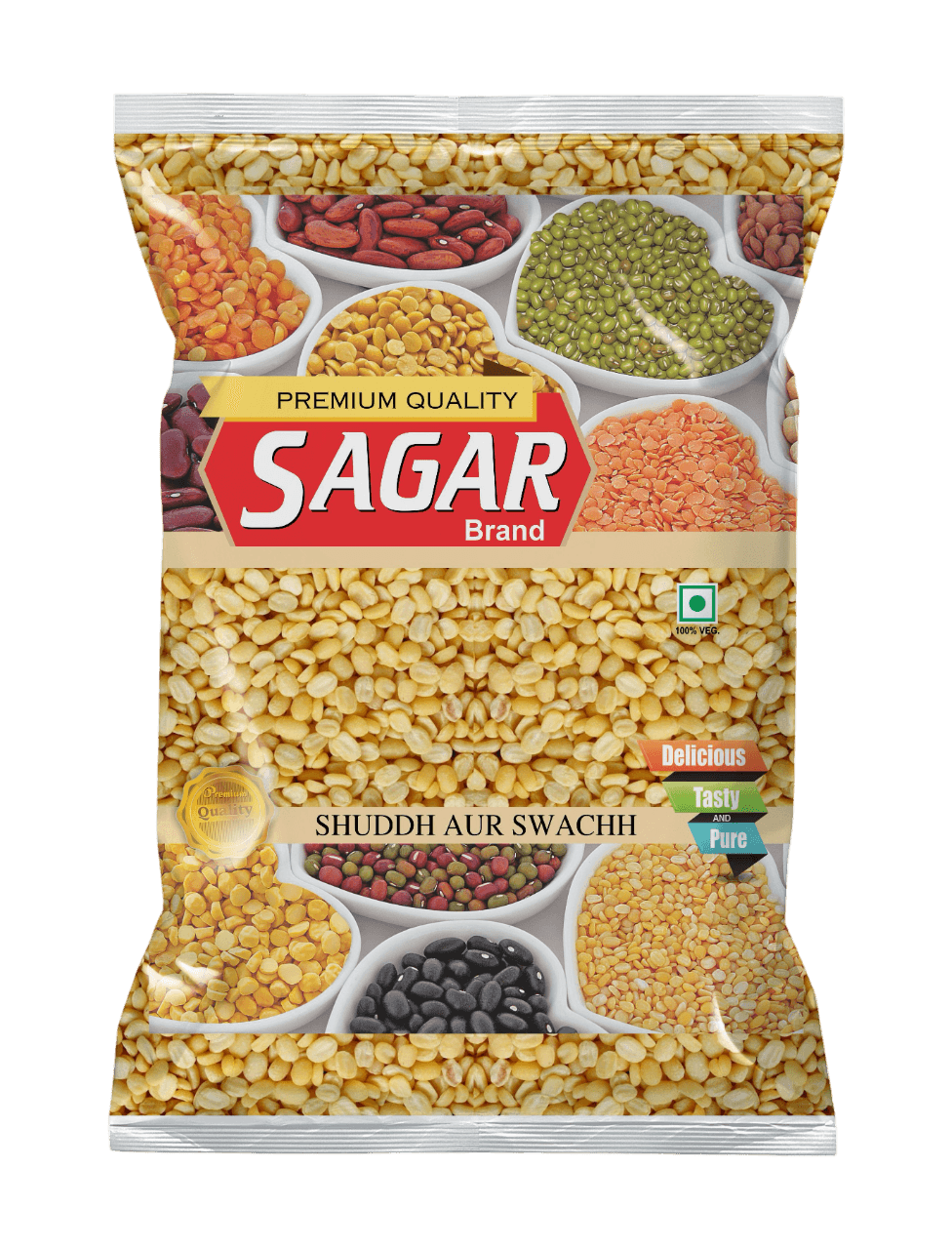
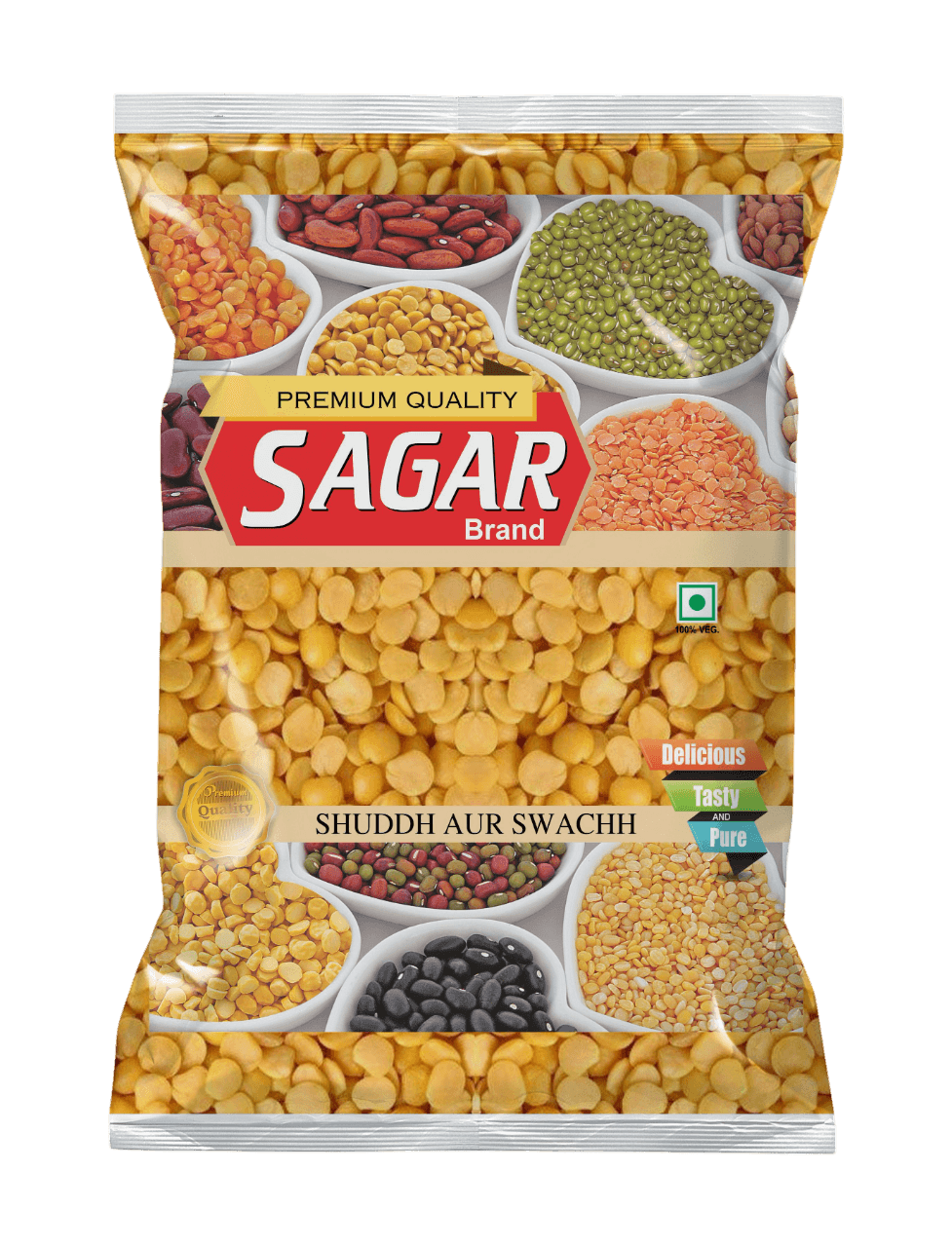
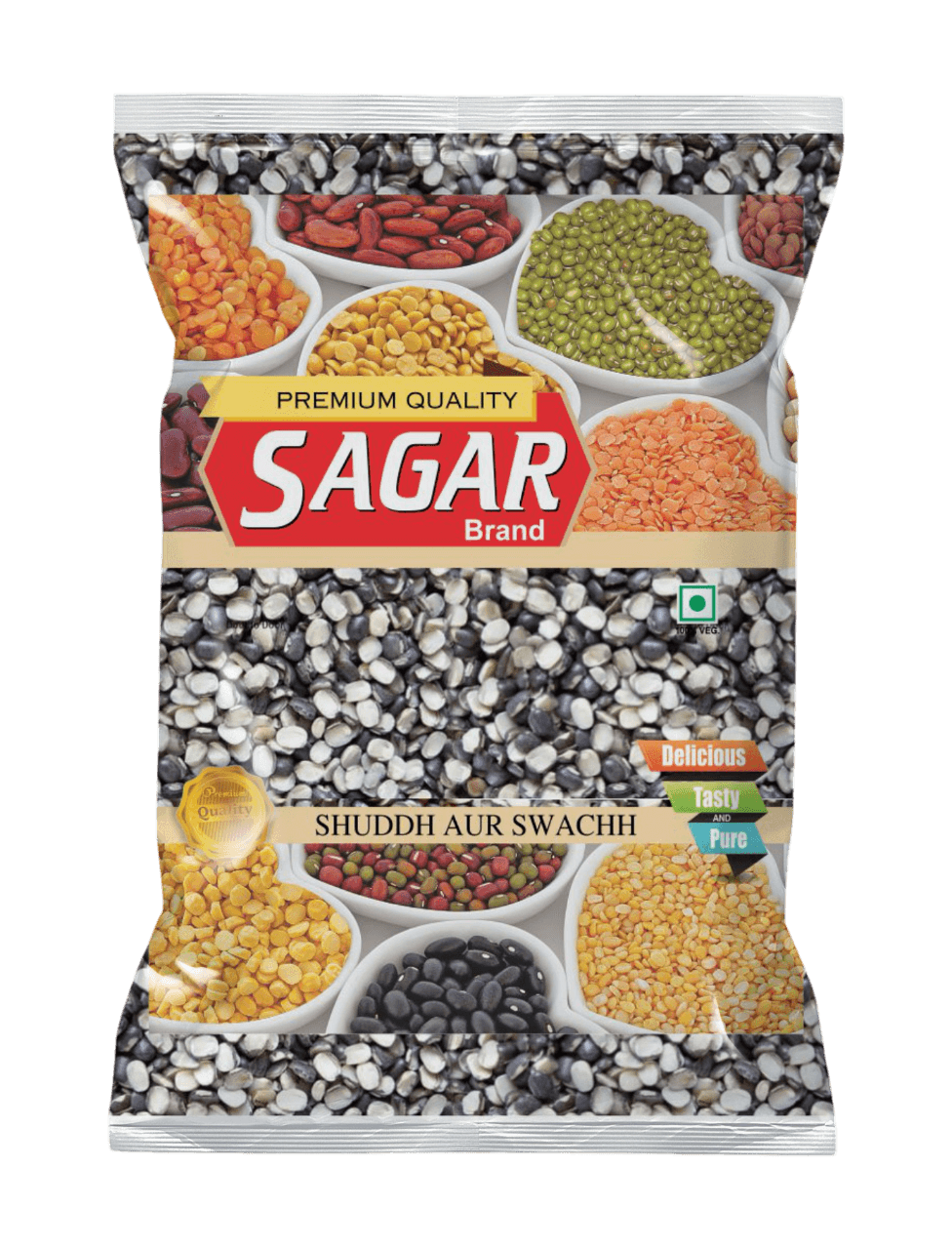
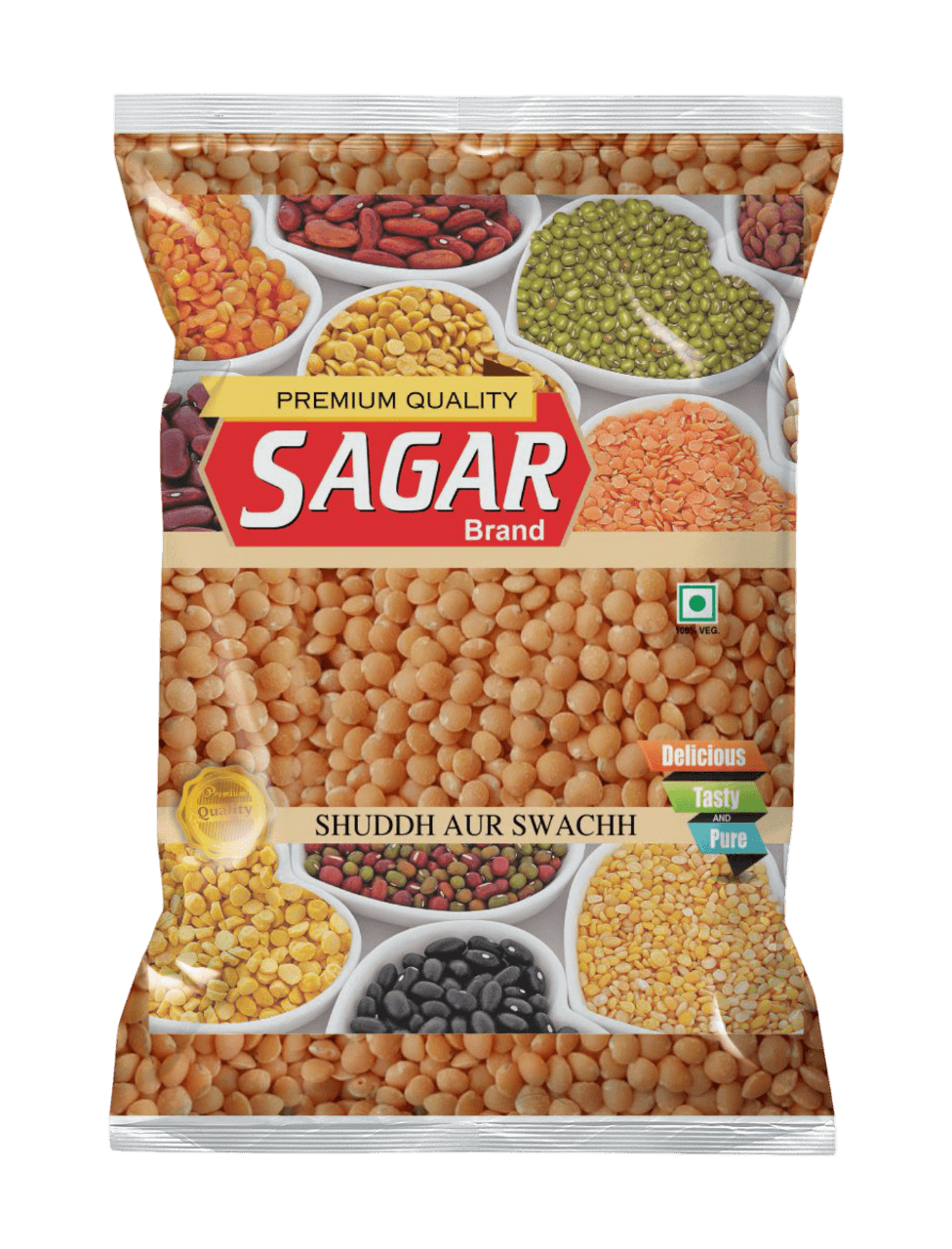
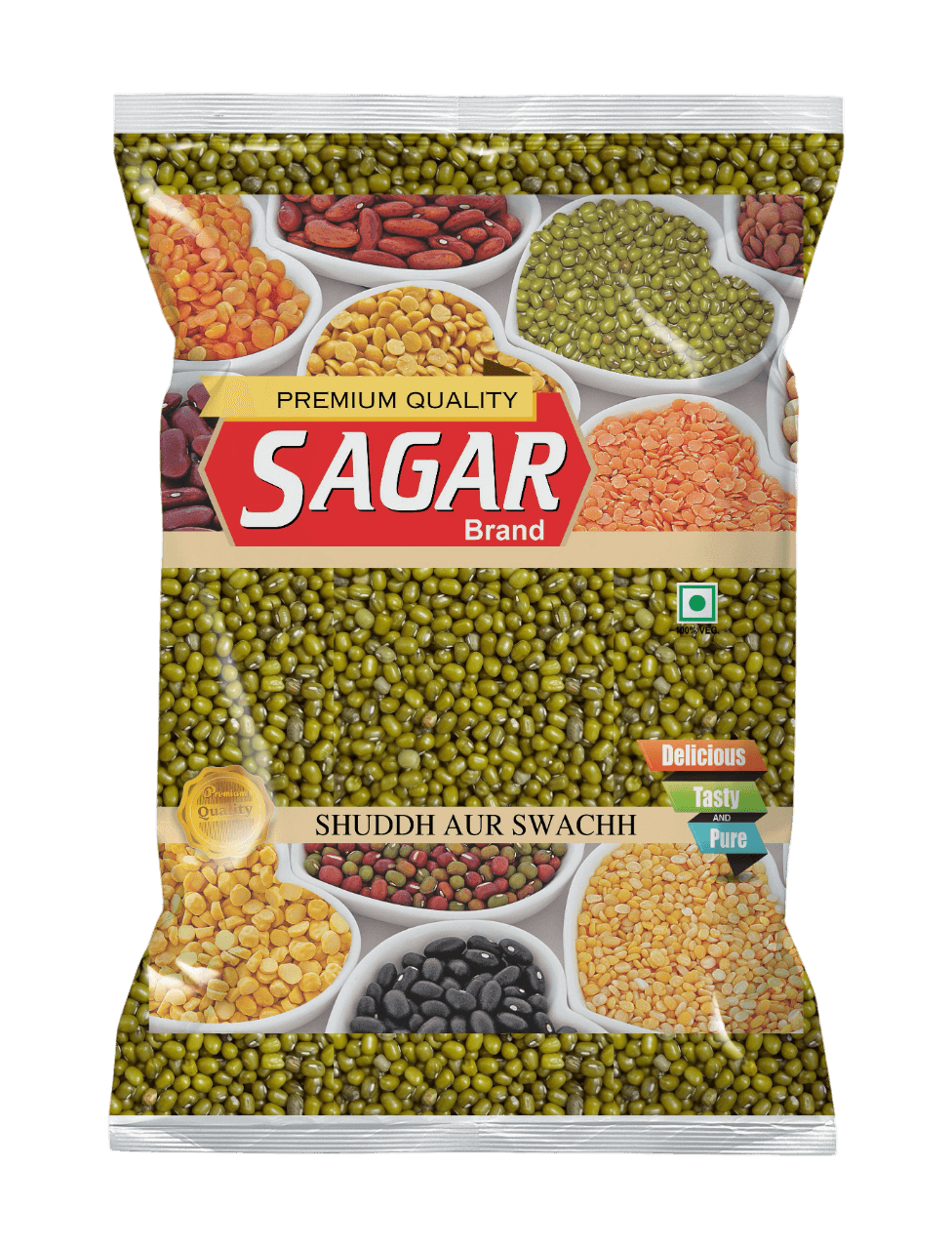
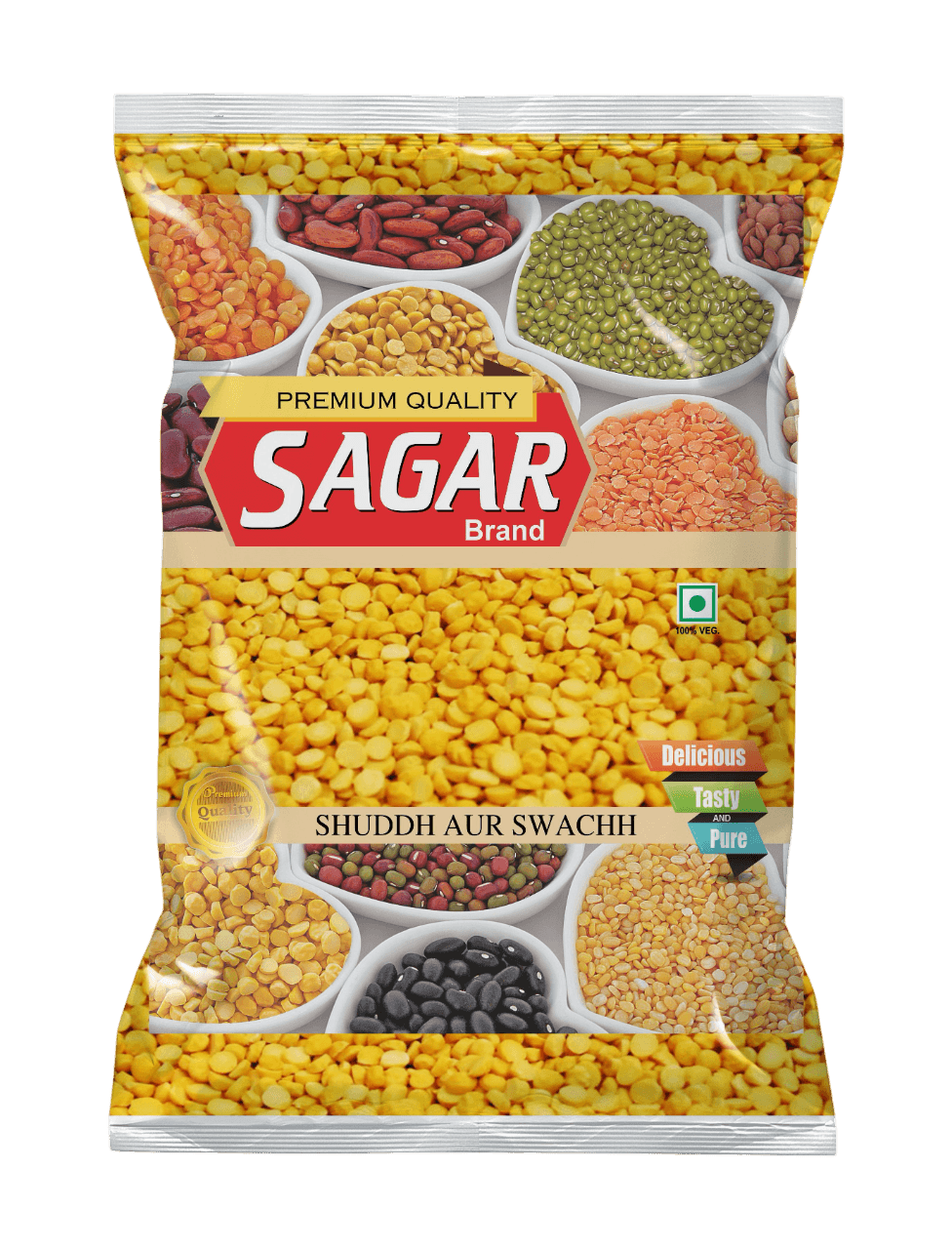
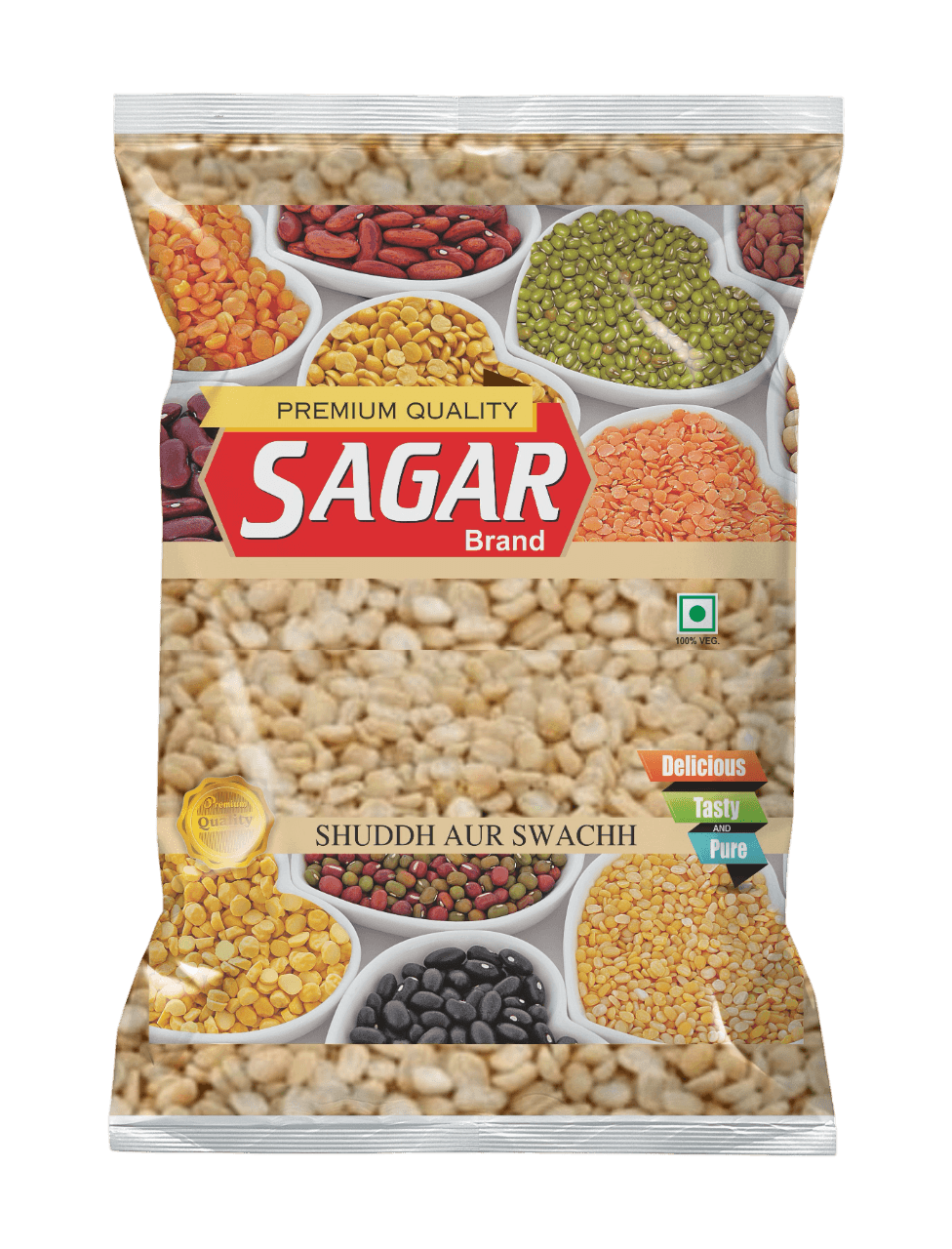
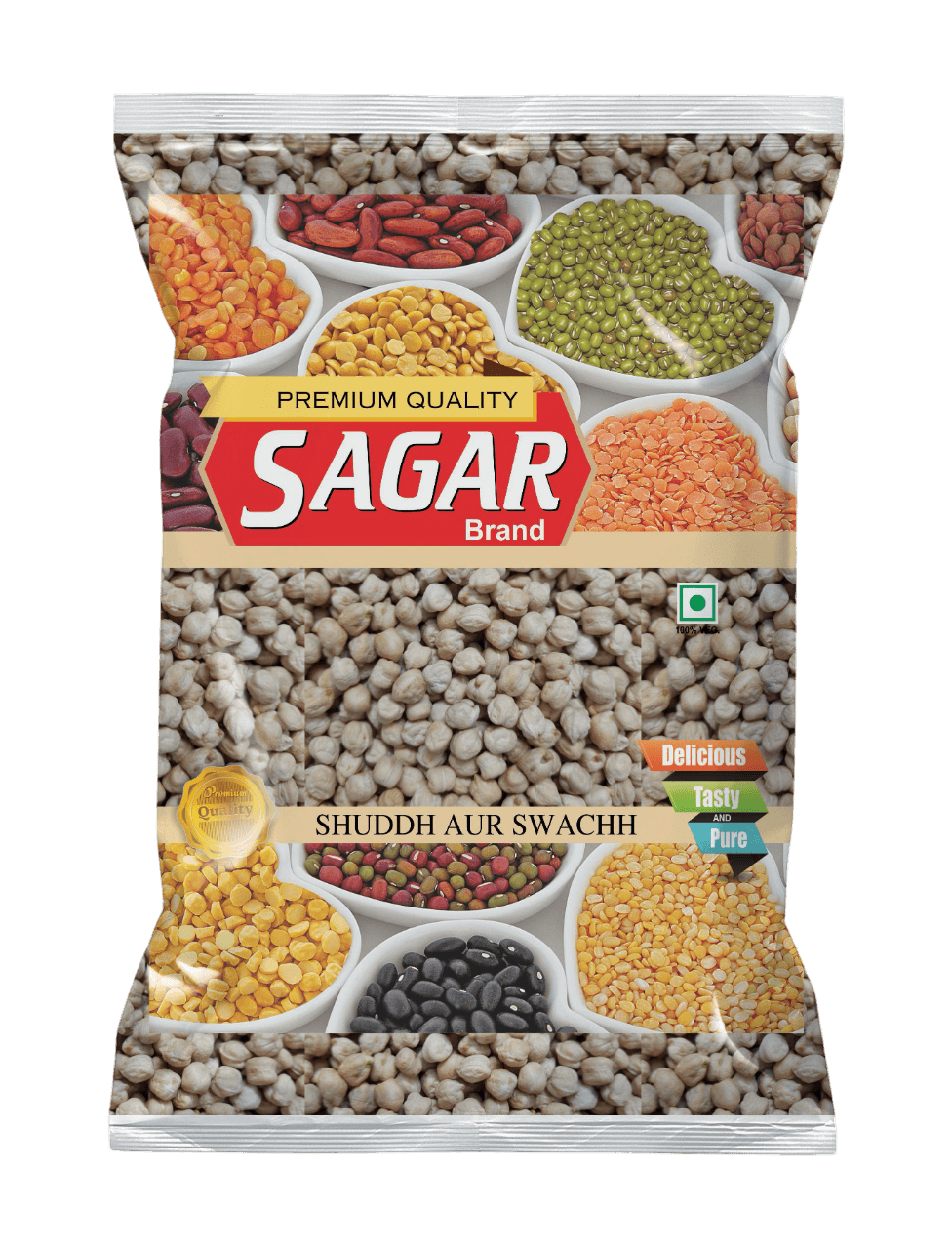
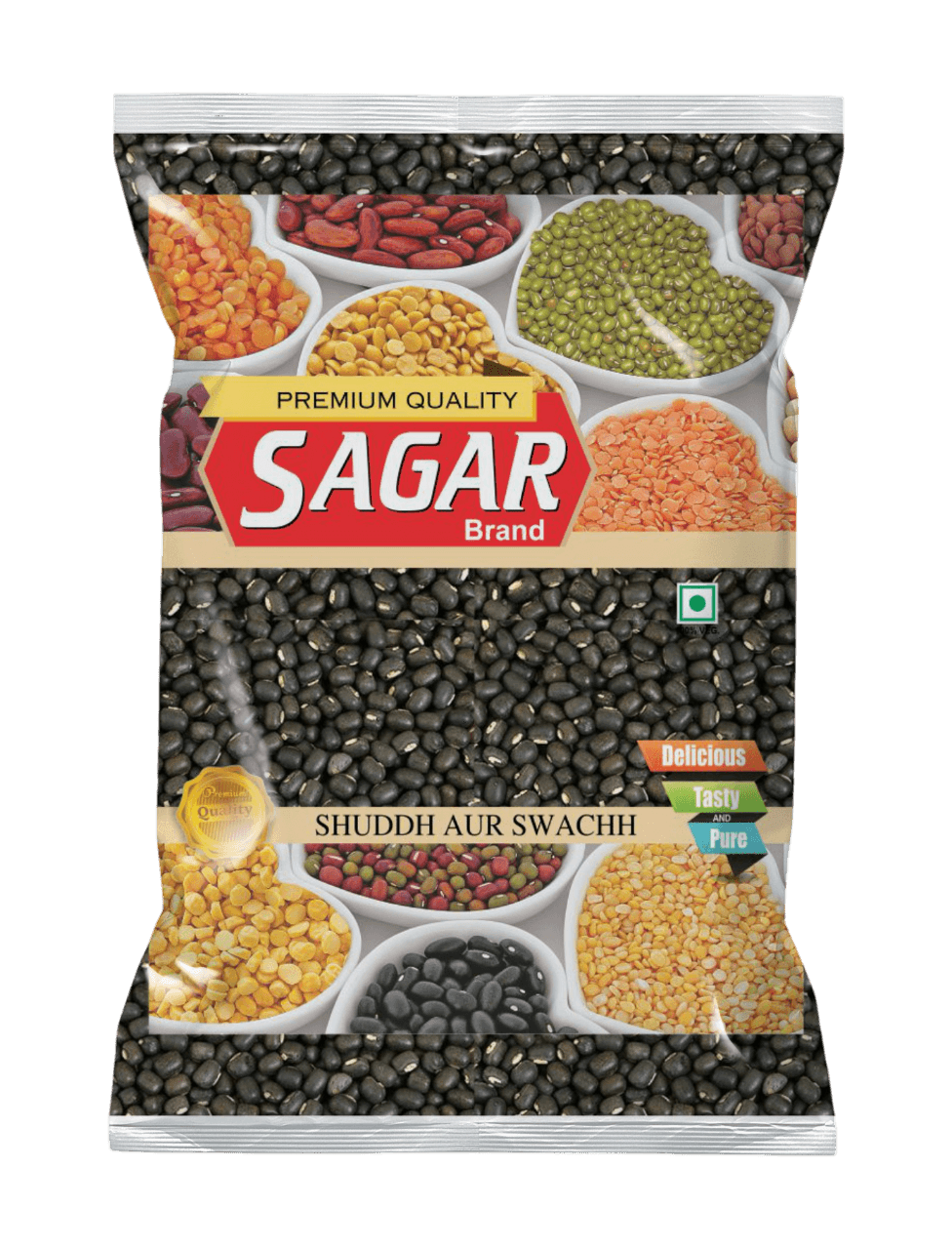
Sagar Brand offers a range of dals and pulses that can be useful for restaurants, hotels, caterers, retailers, and other food businesses. Its product range includes varieties such as Toor Dal, Moong Dal, Urad Dal, Masoor Dal, Chana Dal, Rajma, and Kabuli Chana.
For commercial kitchens, having access to different pulse varieties from one brand can make purchasing easier. Restaurants can select products according to their menu, consumption requirements, and preparation methods.
Whether you are preparing everyday dal, rich restaurant-style curries, traditional North Indian dishes, or other pulse-based recipes, choosing carefully selected and properly packed pulses can support consistent kitchen performance.
For businesses, the goal should not simply be to find the cheapest pulses. It should be to find a dependable combination of quality, consistency, availability, and overall value.
Pulses Every Restaurant Should Consider Stocking
A basic restaurant pulse inventory can include:
| Pulse | Common Restaurant Uses |
| Toor Dal | Dal Tadka, Dal Fry, Sambar |
| Moong Dal | Dal, Khichdi, Light Meals |
| Masoor Dal | Dal, Soups, Mixed Dal |
| Chana Dal | Dal, Snacks, Traditional Recipes |
| Urad Dal | Dal Makhani, Dosa, Idli, Vada |
| Rajma | Rajma Masala, Curries |
| Kabuli Chana | Chole, Chaat, Salads, Hummus |
The exact selection should depend on your restaurant’s menu and daily consumption.
Tips for Buying Pulses for Restaurants
Before finalizing a supplier, keep these practical points in mind:
- Understand your monthly consumption before ordering.
- Choose quality over price alone.
- Check the cleanliness and uniformity of the grains.
- Ask about bulk packaging suitable for commercial storage.
- Maintain proper storage conditions after delivery.
- Work with a supplier that can provide regular availability.
- Review product quality periodically instead of assuming every batch will be identical.
- Choose products according to your menu rather than buying unnecessary varieties.
These steps can help restaurants control inventory while maintaining food quality.
Final Thoughts
Choosing the best pulses for restaurants requires a balance of quality, cooking performance, availability, and cost. Toor Dal, Moong Dal, Masoor Dal, Chana Dal, Urad Dal, Rajma, and Kabuli Chana each have their own place in a commercial kitchen.
The most important step is to understand your menu and buying requirements before selecting products. Clean, consistent pulses can simplify kitchen preparation, support recipe consistency, and help restaurants deliver better meals to their customers.
For restaurants and food businesses looking for a dependable range of pulses, Sagar Brand can be considered as a supply option for commonly used Indian dals and pulses.
Choosing the right products and storing them correctly can turn a simple pantry ingredient into a reliable part of your restaurant’s food operation.
FAQs
1. Which pulse is best for restaurants?
It depends on the menu. Toor Dal, Moong Dal, Chana Dal, Urad Dal, Masoor Dal, Rajma, and Kabuli Chana are all useful for different restaurant dishes.
2. Which dal is commonly used in Indian restaurants?
Toor Dal, Moong Dal, Chana Dal, and Urad Dal are commonly used across different Indian cuisines.
3. Is Rajma suitable for bulk restaurant cooking?
Yes. Rajma works well for large-batch preparations such as Rajma Masala when properly soaked and cooked.
4. What should restaurants look for in a pulses supplier?
Focus on quality, cleanliness, consistent availability, packaging, delivery, and overall value rather than price alone.
5. Should restaurants buy pulses in bulk?
Restaurants with regular consumption can benefit from bulk purchasing, provided they have suitable storage facilities.
6. How should restaurants store bulk pulses?
Store them in clean, airtight containers in a cool, dry area away from moisture, sunlight, and pests.
7. Why is pulse quality important for restaurants?
Consistent-quality pulses can help kitchens achieve more predictable cooking results, texture, and taste across different batches.
8. Which Pulses Are Best for Restaurants?
Toor Dal, Moong Dal, Chana Dal, Urad Dal, Masoor Dal, Rajma, and Kabuli Chana are popular choices.
9. Why Should Restaurants Buy Quality Pulses?
Quality pulses cook consistently and help maintain the taste and texture of dishes.
10. Can Restaurants Buy Pulses in Bulk?
Yes. Bulk purchasing is useful for restaurants with regular pulse consumption and proper storage facilities.