Protein is one of the most important nutrients your body needs every day. It helps build muscles, repair tissues, support immunity, and keep you feeling full for longer. If you follow a vegetarian diet, dal is one of the easiest and most affordable ways to meet your daily protein needs.
But not every dal contains the same amount of protein. Some varieties are naturally richer in protein than others, making them better choices for fitness enthusiasts, growing children, older adults, and anyone looking to eat a healthier diet.
In this guide, you’ll learn which dal has the highest protein, compare the protein content of popular Indian dals, and discover the best ways to include them in your meals.
Why Is Protein Important?
Protein plays a key role in almost every function of the body. It supports muscle growth, strengthens bones, repairs damaged cells, and helps produce enzymes and hormones. A protein-rich diet also keeps hunger under control, making it easier to maintain a healthy weight.
Whether your goal is improving fitness, increasing energy, or simply eating a balanced diet, getting enough protein should always be a priority.
Which Dal Has the Highest Protein?
Among commonly consumed Indian dals, Urad Dal (Black Gram) is considered one of the richest sources of protein.
Here is a comparison of protein content per 100 grams of raw dal.
| Dal | Protein (Approx.) |
| Urad Dal | 24–25 g |
| Moong Dal | 23–24 g |
| Masoor Dal | 24 g |
| Chana Dal | 21–22 g |
| Toor (Arhar) Dal | 22 g |
| Rajma | 23–24 g |
| Kabuli Chana | 19–20 g |
Values may vary slightly depending on the variety and processing method.
Although Urad Dal ranks among the highest, every dal offers a unique combination of protein, fiber, vitamins, and minerals. Including different dals in your weekly meals provides more balanced nutrition than relying on just one type.
1. Urad Dal – The Protein Powerhouse
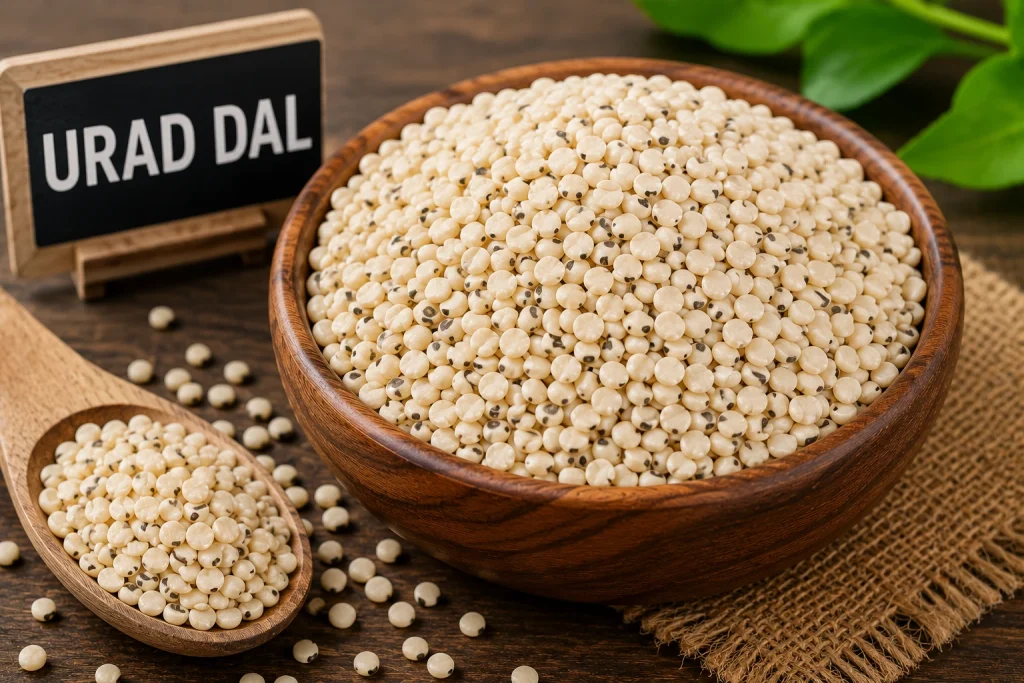
Urad Dal is widely used in Indian cooking, especially in dishes like dal makhani, dosa, idli, and papad. It is naturally rich in protein and also provides iron, calcium, potassium, and magnesium.
Benefits of Urad Dal
- High-quality plant protein
- Supports muscle recovery
- Helps improve bone strength
- Rich in iron for healthy blood
- Provides long-lasting energy
People who exercise regularly or need extra protein can benefit from adding Urad Dal to their diet.
2. Moong Dal – High Protein and Easy to Digest
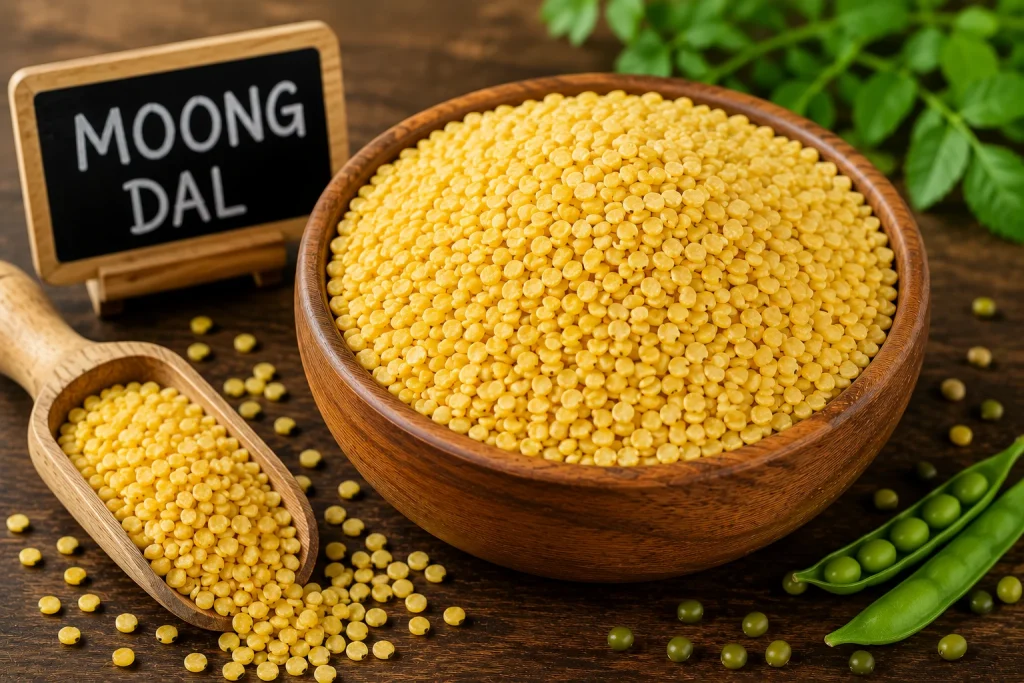
Moong Dal is one of the most popular dals because it is light on the stomach while still offering impressive nutrition. It is suitable for children, older adults, and people recovering from illness.
Benefits of Moong Dal
- Rich in protein
- Easy to digest
- Good source of dietary fiber
- Supports healthy digestion
- Low in fat
Sprouted moong is another excellent option, as sprouting improves nutrient availability and makes digestion even easier.
3. Masoor Dal – A Nutrient-Rich Everyday Choice
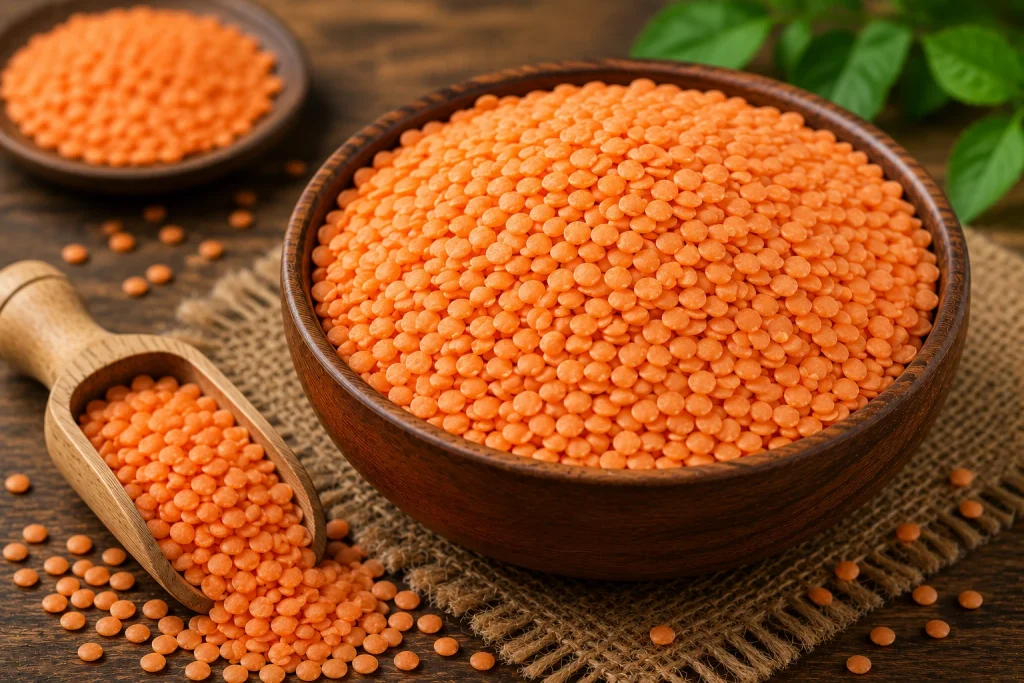
Masoor Dal provides nearly the same protein as Urad Dal while also supplying iron, folate, and antioxidants. It cooks quickly, making it perfect for busy households.
Benefits of Masoor Dal
- Supports healthy red blood cells
- Good for heart health
- Rich in fiber
- Helps maintain steady energy levels
- Ideal for daily meals
4. Chana Dal – Protein with Fiber
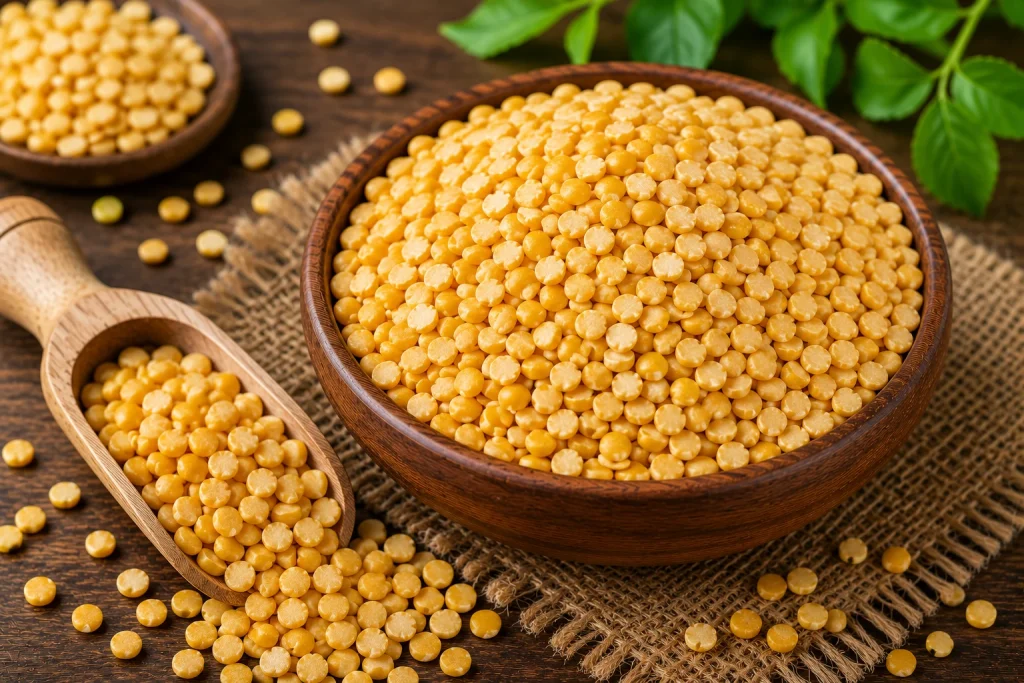
Chana Dal is made from split Bengal gram and is known for its satisfying texture and nutritional value. It contains both protein and complex carbohydrates, making it a filling meal option.
Benefits of Chana Dal
- High in plant protein
- Rich in fiber
- Supports digestion
- Helps control hunger
- May assist with blood sugar management when eaten as part of a balanced diet
5. Toor (Arhar) Dal – A Household Favorite
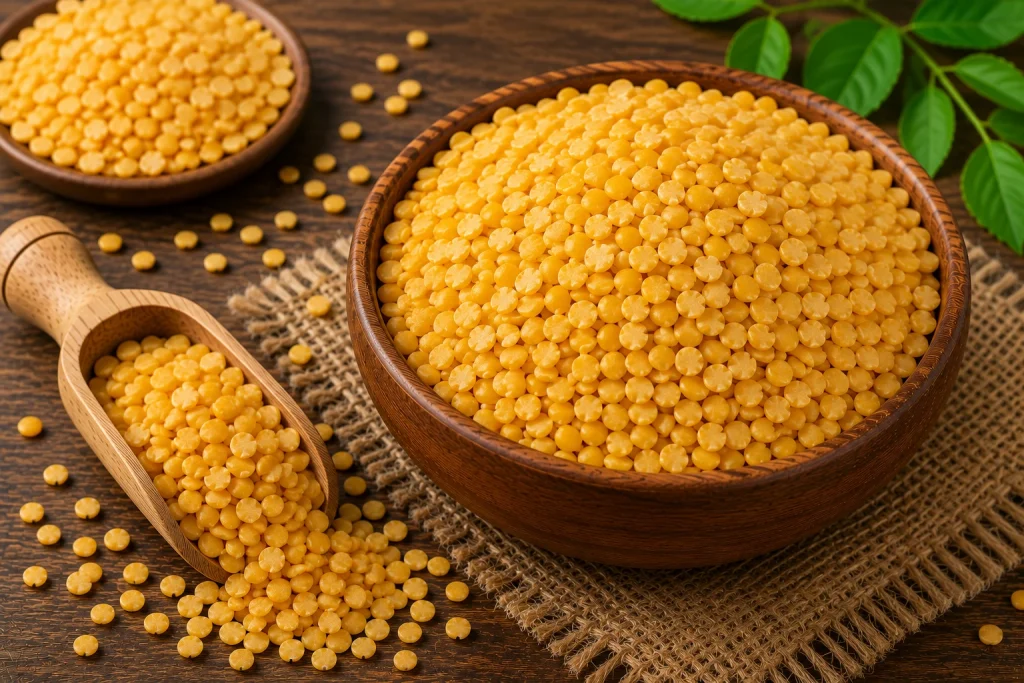
Toor Dal is a staple in many Indian homes. While it contains slightly less protein than Urad or Moong Dal, it still contributes significantly to daily protein intake.
Benefits of Toor Dal
- Good source of protein
- Rich in potassium
- Supports heart health
- Easy to cook
- Suitable for everyday meals
6. Rajma – More Than Just Protein
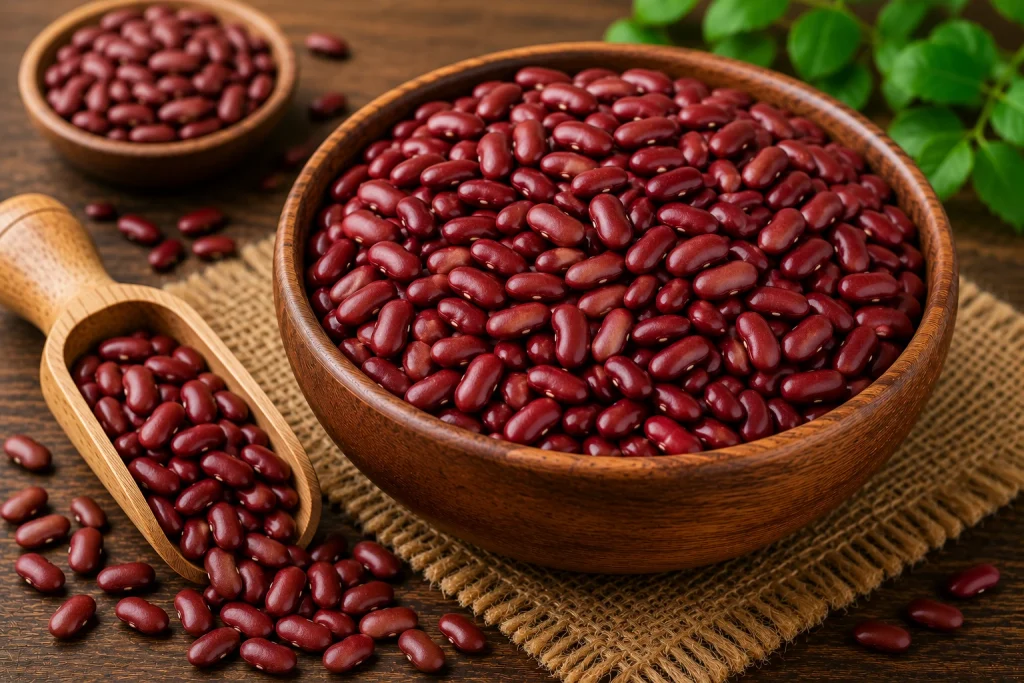
Although Rajma is technically a bean rather than a dal, it deserves a place on this list because of its excellent protein content. It is also packed with fiber and essential minerals.
Benefits of Rajma
- High in protein
- Excellent source of fiber
- Supports digestive health
- Helps keep you full longer
- Rich in iron and magnesium
For better digestion, always soak Rajma overnight before cooking.
7. Kabuli Chana – A Versatile Protein Source
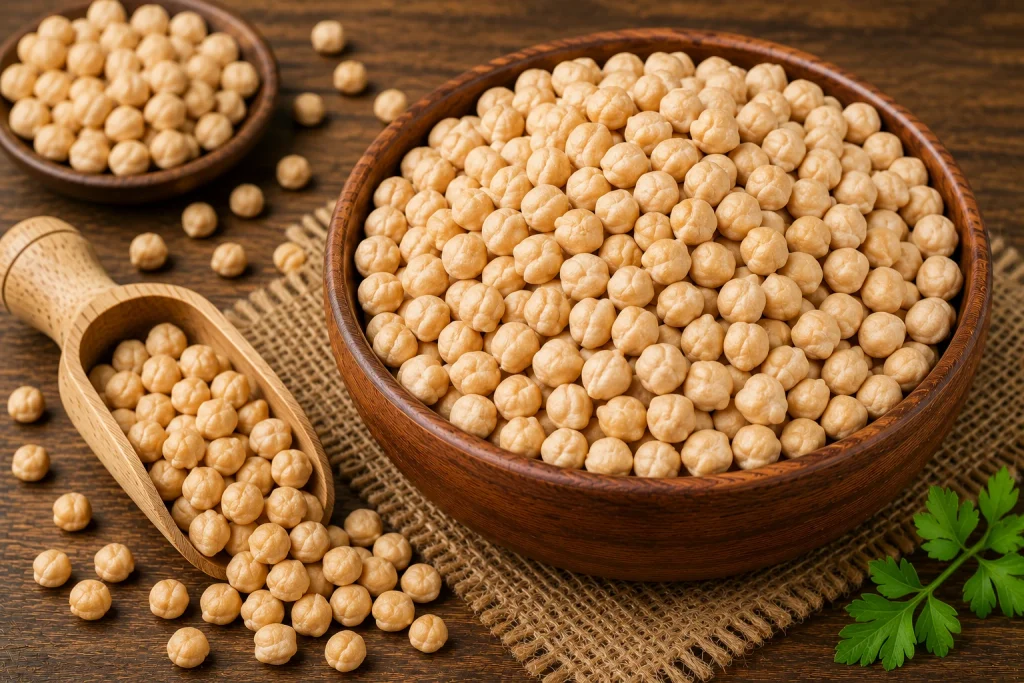
Kabuli Chana is commonly used in salads, curries, hummus, and healthy snacks. It offers a good balance of protein, fiber, and complex carbohydrates.
Benefits of Kabuli Chana
- Plant-based protein
- Rich in fiber
- Supports healthy digestion
- Helps maintain energy levels
- Suitable for vegetarian and vegan diets
Which Dal Is Best for Muscle Building?
These dals are rich in plant-based protein, which helps repair and build muscle tissues after exercise. For even better results, combine dal with whole grains like rice or roti and include regular strength training in your fitness routine to support healthy muscle growth.
- Urad Dal
- Moong Dal
- Masoor Dal
- Chana Dal
For better protein quality, combine dal with whole grains like rice, wheat, millet, or quinoa. Together, they provide a more complete amino acid profile.
Which Dal Is Best for Weight Loss?
If you’re trying to lose weight, adding the right dal to your daily diet can be a smart choice. Dals are naturally rich in plant-based protein and dietary fiber, two nutrients that help keep you full for longer and reduce unnecessary snacking. Since they digest slowly, they provide steady energy and help control hunger throughout the day.
A protein-rich, high-fiber dal can help you stay full and reduce unnecessary snacking.
Top choices include:
- Moong Dal
- Masoor Dal
- Chana Dal
Pair them with vegetables instead of heavy cream or excess oil for a lighter, nutrient-dense meal.
Tips to Increase Protein Intake from Dal
Getting more protein from dal doesn’t require major changes to your diet. With a few simple habits, you can make your everyday meals healthier, more filling, and naturally rich in protein.
Small changes in your meals can make a noticeable difference.
- Rotate different types of dals throughout the week.
- Add sprouts to salads and breakfast dishes.
- Include dal in soups and khichdi.
- Combine dal with whole grains for balanced nutrition.
- Add seeds or nuts to meals for extra protein and healthy fats.
How Much Dal Should You Eat Daily?
Most healthy adults can include one to two servings of cooked dal each day as part of a balanced diet. Individual protein needs depend on age, activity level, body weight, and overall health.
If you have kidney disease or another medical condition that requires protein restriction, consult a healthcare professional before making significant dietary changes.
Choosing High-Quality Dal Matters
The nutritional value of dal depends not only on the variety but also on its quality. Choose clean, fresh, well-sorted pulses that are free from stones, dust, and excess polishing. Proper storage in airtight containers also helps preserve freshness and taste.
Buying premium-quality pulses from a trusted brand ensures you get better flavor, consistent cooking results, and reliable nutrition.
Final Thoughts
So, which dal has the highest protein?
Urad Dal ranks among the richest protein sources, with Moong Dal and Masoor Dal close behind. However, no single dal provides every nutrient your body needs. The healthiest approach is to enjoy a variety of dals throughout the week.
Whether you’re trying to build muscle, lose weight, or simply eat healthier, adding protein-rich dals to your daily meals is a smart and affordable choice. Combined with a balanced diet and an active lifestyle, these traditional Indian staples can support long-term health and overall well-being.
FAQs
1. Which dal contains the most protein?
Urad Dal is one of the highest-protein dals, providing around 24–25 grams of protein per 100 grams of raw dal.
2. Is Moong Dal higher in protein than Toor Dal?
Yes. Moong Dal generally contains slightly more protein than Toor Dal.
3. Which dal is best for weight loss?
Moong Dal, Masoor Dal, and Chana Dal are excellent choices because they are rich in protein and fiber, helping you stay full for longer.
4. Which dal is easiest to digest?
Moong Dal is widely considered the easiest dal to digest, making it suitable for children, older adults, and people recovering from illness.
5. Can I eat dal every day?
Yes. Eating different varieties of dal daily can provide protein, fiber, vitamins, and minerals as part of a healthy, balanced diet.
6. Is Rajma a good source of protein?
Yes. Rajma is rich in plant-based protein and dietary fiber, making it a nutritious addition to vegetarian diets.
7. Does cooking reduce the protein in dal?
Cooking changes the texture and improves digestibility but has only a small effect on the total protein content.
8. Which dal is best for gym-goers?
Urad Dal, Moong Dal, Masoor Dal, and Chana Dal are all excellent options for people looking to increase their protein intake naturally.
9. Is dal enough to meet daily protein needs?
Dal is an excellent source of plant protein, but combining it with dairy, soy, nuts, seeds, legumes, and whole grains helps create a more balanced diet.
10. How should I store dal to keep it fresh?
Store dal in an airtight container in a cool, dry place away from moisture and direct sunlight to maintain its freshness and quality.